California wildfires 2025: 2,584 blazes burn 79,690 acres as year-round threat grows
Synopsis
California's wildfire crisis is no longer seasonal — it's permanent. With 2,584 fires already burning 79,690 acres before peak conditions even arrive, and a UCLA study showing climate change has pushed the fire window forward by up to 46 days, CAL FIRE has formally retired the phrase 'fire season' in favour of 'fire year.' The implications for residents, insurers, and policymakers are profound.
Key Takeaways
2,584 wildfires have burned 79,690 acres across California so far in 2025 , destroying 25 structures with no confirmed fatalities.
Active blazes remain in Riverside , Kern , and San Diego counties as of 23 June .
CAL FIRE is officially replacing 'fire season' with 'peak fire year,' signalling wildfire is now a year-round risk.
A UCLA study found climate change advanced California's fire season start by 6 to 46 days between 1992 and 2020 .
California has nearly doubled CAL FIRE's budget since 2019 and built the world's largest aerial firefighting fleet, according to Governor Gavin Newsom's office.
Predictive models indicate an above-average peak fire period ahead, driven by drought, heat, and dry vegetation.
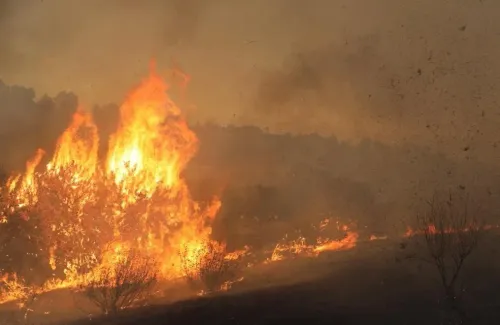
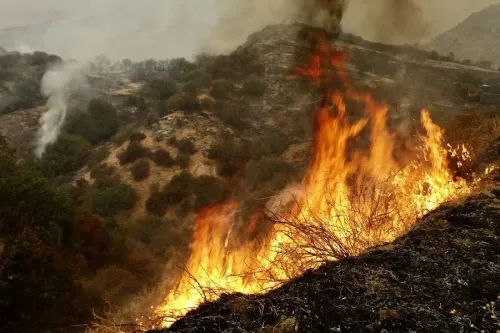
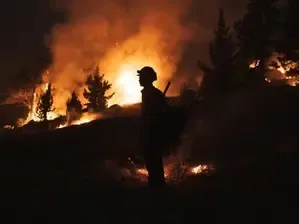
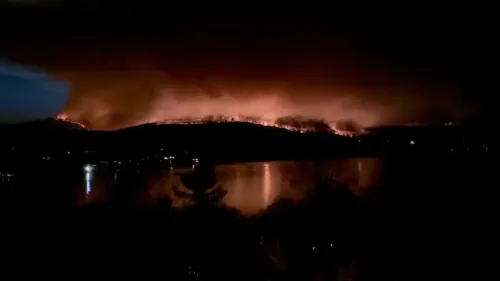
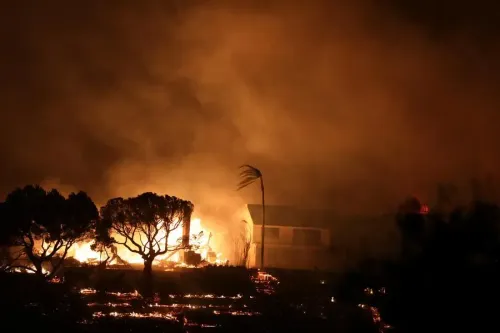
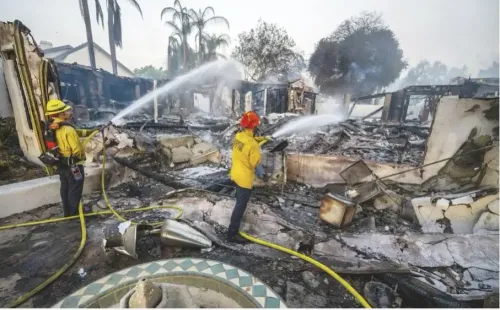
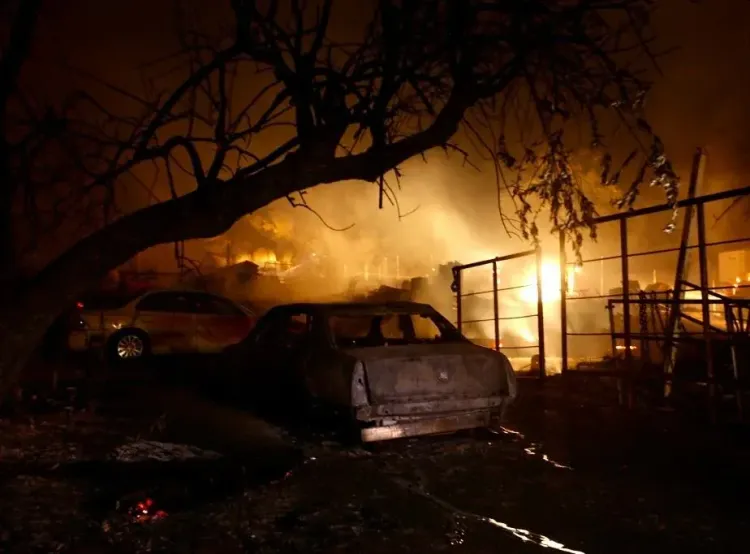
California firefighters have already battled 2,584 wildfires this year — burning through 79,690 acres and destroying 25 structures — even before the state's historically peak fire months arrive, as officials warn that rising temperatures and chronic vegetation dryness have transformed wildfire risk into a permanent, year-round emergency. No fatalities have been confirmed so far.
Active Fires and Current Conditions
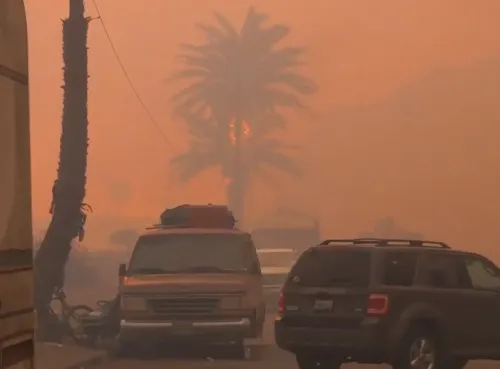
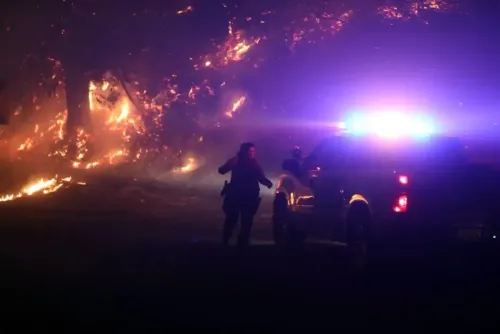
Several blazes remained active as of Monday, 23 June, including fires burning in Riverside, Kern, and San Diego counties. Fire authorities cautioned that hotter, drier weather in the months ahead is likely to push activity well above average. The combination of prolonged drought, elevated temperatures, and parched vegetation has left the state acutely exposed to fast-spreading fires. Notably, heavy plant growth from earlier wet periods has added to the fuel load as that vegetation dries out under intensifying heat.
Why Officials Are Dropping 'Fire Season'
CAL FIRE battalion chief David Acuna said the agency is deliberately moving away from the phrase 'fire season.' 'It does back up the need for us to utilize the term peak fire year rather than the antiquated fire season that we used to use,' Acuna said. Fellow battalion chief Brent Pascua reinforced the concern: 'We're looking at all the predictive models and they're saying it's going to be an above-average peak fire season.' The shift in terminology reflects a broader acknowledgement that wildfire risk is no longer confined to late summer and autumn.
Climate Change's Role
Scientists say human-caused climate change is directly reshaping the timing and severity of California wildfires. A study led by researchers at the University of California, Los Angeles (UCLA) found that climate change advanced the start of the state's fire season by six to 46 days between 1992 and 2020. The research identified fuel aridity — the dryness of grasses and trees — as the single strongest driver of when fire conditions emerge. This is consistent with a broader pattern of longer, more destructive fire years recorded across the western United States over the past two decades.
What the Government Has Done
California Governor Gavin Newsom, in a recent proclamation marking Wildfire Preparedness Week, warned that there is 'no off-season for wildfire' and described climate change as 'fueling more extreme weather and the kind of dangerous conditions that can turn a single spark into a catastrophe.' His office said the state has nearly doubled CAL FIRE's budget since 2019, expanded firefighting personnel, and built what it called the 'world's largest aerial firefighting fleet.'
What Residents Must Do Now
CAL FIRE Director Joe Tyler issued a direct call to action: 'Drier than average conditions across the state mean more fuel for potential wildfires. CAL FIRE and our emergency response partners across California are ready for wildfire — now it's your turn.' Officials are urging residents to create defensible space around homes, reinforce structures with fire-resistant materials, assemble emergency kits, and register for local emergency alert systems. With active fires still burning and peak conditions still weeks away, authorities say preparation cannot wait.
Point of View
But reactive. The deeper problem is land-use policy: millions of homes sit in the wildland-urban interface, and defensible-space compliance remains voluntary and poorly enforced. Until that structural exposure is addressed, budget increases will keep pace with destruction rather than prevent it.
NationPress
23 Jun 2026
Frequently Asked Questions
How many wildfires has California seen in 2025 so far?
California has recorded 2,584 wildfires in 2025 to date, burning over 79,690 acres and destroying 25 structures , according to CAL FIRE. No fatalities have been confirmed as of 23 June.
Why is CAL FIRE no longer using the term 'fire season'?
CAL FIRE officials say wildfire risk is no longer limited to late summer and autumn, making the traditional concept of a 'fire season' outdated. Battalion chief David Acuna has called for the term 'peak fire year' instead, reflecting the reality of year-round fire danger driven by drought and rising temperatures.
What does the UCLA study say about climate change and California wildfires?
Researchers at the University of California, Los Angeles found that human-caused climate change advanced the start of California's fire season by six to 46 days between 1992 and 2020. The study identified fuel aridity — the dryness of grasses and trees — as the strongest factor determining when dangerous fire conditions emerge.
What has California's government done to address the wildfire threat?
Governor Gavin Newsom's office says California has nearly doubled CAL FIRE's budget since 2019, expanded firefighting personnel, and built what it describes as the world's largest aerial firefighting fleet. Newsom declared there is 'no off-season for wildfire' during Wildfire Preparedness Week.
What should California residents do to prepare for wildfires?
CAL FIRE is urging residents to create defensible space around homes, use fire-resistant building materials, assemble emergency kits, and register for local emergency alert systems. Director Joe Tyler has warned that drier-than-average conditions statewide mean elevated fuel loads and greater risk of fast-moving fires.