Bangladesh SCBA rejects 42 pro-Awami League lawyers, draws CCBE censure
Synopsis
Forty-two lawyers have been barred from Bangladesh's Supreme Court Bar Association elections over alleged Awami League ties — and Europe's top legal body has written directly to Prime Minister Tarique Rahman demanding accountability. The pattern, documented across multiple districts between February and April 2026, raises pointed questions about political discrimination in Bangladesh's legal system.
Key Takeaways
The Bangladesh SCBA rejected nominations of 42 out of 90 candidates for its 13–14 May 2026 elections, citing alleged Awami League links.
Similar disqualifications were reported across several district bar associations between February and April 2026 .
The CCBE , representing over 1 million lawyers across 46 countries , wrote to PM Tarique Rahman on 30 April 2026 .
Candidates were reportedly labelled
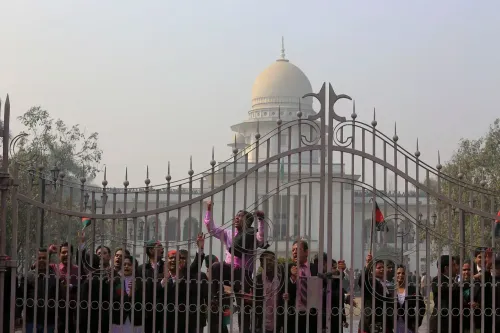
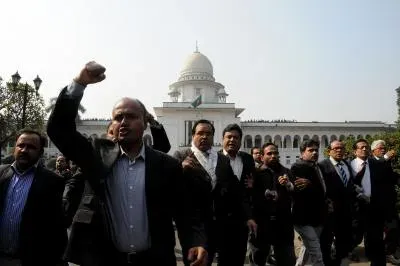
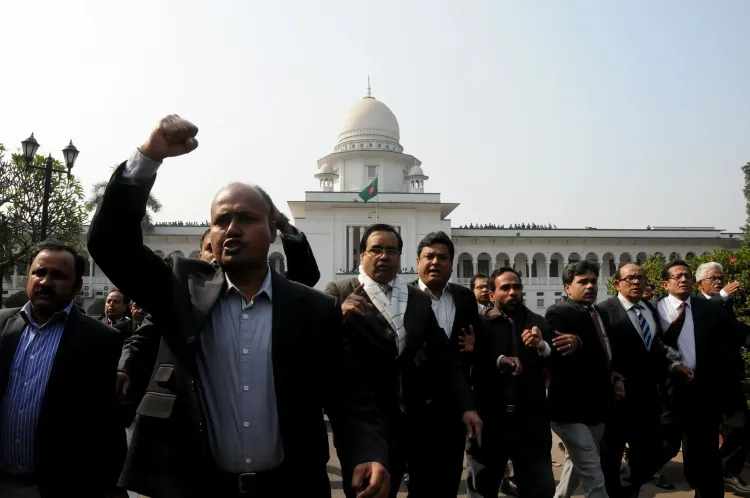
The Bangladesh Supreme Court Bar Association (SCBA) has rejected the nomination papers of 42 lawyers out of 90 candidates for its 13–14 May elections, citing alleged links to the Awami League — a move that has triggered international outrage and drawn a formal rebuke from a leading European legal body.
Scale of the Rejections
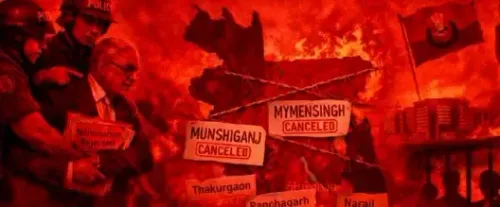
The disqualifications at the SCBA are part of a broader pattern, according to observers. Between February and April 2026, numerous pro-Awami League lawyers and independent candidates were reportedly obstructed from participating in bar association elections across several districts in Bangladesh. In documented cases, candidates were allegedly prevented from submitting nomination papers and, in some instances, subjected to physical harassment, according to the Paris-based human rights organisation Justice Makers Bangladesh in France (JMBF).
In certain cases, nomination papers were officially rejected on the grounds of candidates being labelled
Point of View
Or will it simply replace one form of political capture with another? The CCBE's intervention is significant not because European bodies carry enforcement power over Dhaka, but because it documents a pattern — district by district, nomination by nomination — that is harder to dismiss as isolated incident. The deeper irony is that bar associations, meant to be the institutional guardians of rule of law, are themselves becoming sites of political exclusion.
NationPress
19 Sept 2026
Frequently Asked Questions
Why did the Bangladesh SCBA reject 42 lawyers' nominations?
The SCBA rejected the nominations of 42 out of 90 candidates for its May 13–14 elections, citing alleged links to the Awami League. Critics argue the rejections amount to political discrimination, with some candidates officially labelled 'collaborators of fascists.'
Who is the CCBE and why did it intervene?
The Council of Bars and Law Societies of Europe (CCBE) is a body representing bars and law societies of 46 countries and over 1 million European lawyers. It wrote to Bangladesh's Prime Minister Tarique Rahman on 30 April 2026, raising alarm over the obstruction of lawyers' participation in bar association elections.
What pattern of incidents has been reported across Bangladesh?
Between February and April 2026, pro-Awami League lawyers and independent candidates were reportedly prevented from submitting nominations, subjected to physical harassment, and pressured by police to withdraw across several district bar associations and the SCBA.
What international legal standards has the CCBE cited?
The CCBE invoked the UN Basic Principles on the Role of Lawyers and highlighted the newly adopted Council of Europe Convention on the Protection of the Profession of Lawyer, calling for Bangladesh to sign and ratify it once open for accession.
What has the CCBE demanded from Bangladesh?
The CCBE has urged Bangladeshi authorities to ensure bar association elections guarantee equal participation without political discrimination, and to conduct a thorough investigation into electoral irregularities, obstruction, and harassment across all affected bar associations.