Jinnah portrait at Dhaka University DUCSU sparks outrage, teachers demand probe
Synopsis
A portrait of Pakistan's first Governor General Muhammad Ali Jinnah has reportedly been installed in the DUCSU photo gallery at Dhaka University, replacing images of independence hero Sheikh Mujibur Rahman and records of the 1971 massacre — triggering a sharp rebuke from the University Teachers' Network, which is calling it a 'grave insult to the Bengali nation' and demanding an independent investigation.
Key Takeaways
The University Teachers' Network condemned 'unauthorised and unlawful' changes to the DUCSU photo gallery at Dhaka University .
A portrait of Muhammad Ali Jinnah , Pakistan's first Governor General, was allegedly installed, replacing photographs of Sheikh Mujibur Rahman .
Documents and photographs recording the 25 March 1971 massacre on campus were also reportedly removed.
The network called the changes 'a grave insult to the Bengali nation' and accused 'extremist groups' of pushing an anti-liberation agenda.
An independent investigation, full inventory of removed items, and restoration of originals have been demanded by the teachers' body.
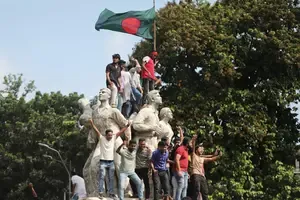
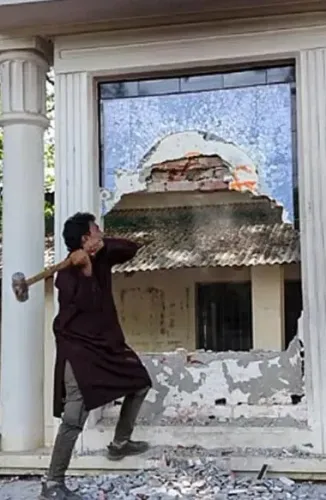
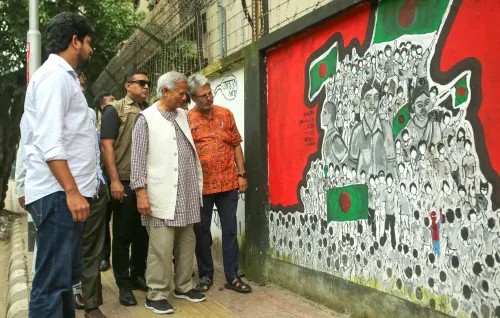
The incident follows widespread destruction of 1971 Liberation War monuments across Bangladesh after the 2024 July–August demonstrations .
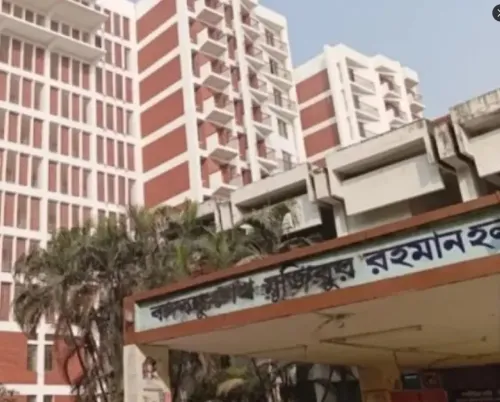
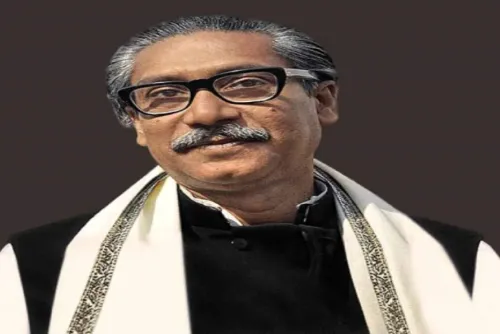
The University Teachers' Network in Bangladesh has strongly condemned what it called 'unauthorised and unlawful' alterations to the photo gallery of the Dhaka University Central Students' Union (DUCSU), alleging that a portrait of Muhammad Ali Jinnah, Pakistan's first Governor General, was installed in place of photographs of independence hero Bangabandhu Sheikh Mujibur Rahman and other historically significant images, according to local media reports.
What Changed in the DUCSU Gallery
Citing media reports and findings from its own on-site visit, the network alleged that photographs and documents recording the 25 March 1971 massacre — and subsequent atrocities on the Dhaka University campus carried out by the Pakistani military and its local collaborators, including the Razakars and Al-Badr — were also removed. The network described this as 'equally disturbing.'
The DUCSU Museum was characterised by the teachers' body as a 'protected place of Dhaka University,' with the group stressing that any structural or curatorial changes to university-protected infrastructure require prior administrative approval, as reported by Bangladesh's leading newspaper The Daily Star.
The Teachers' Network's Core Objections
'Student leaders cannot arbitrarily impose changes based on personal whims, partisan motives, or extremist religious views,' the network said in its statement.
The group raised sharp objections to the installation of Jinnah's portrait specifically, recalling his opposition to recognising Bengali as a state language during the Language Movement in erstwhile East Pakistan, as well as what the network described as Islamabad's continued failure to offer a formal apology for the 1971 genocide committed by Pakistani forces against the people of Bangladesh. Placing his portrait in a memorial dedicated to the struggles and sacrifices of Dhaka University students amounted to 'a grave insult to the Bengali nation,' the network said.
Sheikh Mujib's Removal and Historical Erasure
The teachers' body further argued that the removal of Sheikh Mujibur Rahman's photograph from the DUCSU Museum — at a time when resentment towards his daughter and former Bangladesh Prime Minister Sheikh Hasina is reportedly being projected onto him — 'is not only insensitive but also a deliberate attempt to erase the true heroes from history.'
The network characterised the episode as an effort by 'certain extremist groups to advance an anti-liberation political agenda, which teachers and students of Dhaka University cannot accept.'
Demands: Investigation and Restoration
Describing the museum as a national monument rather than the property of any particular group, the network called for an independent and impartial investigation outside the university's own probe, along with administrative and legal action against those responsible. It also demanded a complete and transparent inventory of all removed items, and the restoration of photographs and memorials to their original locations.
Broader Context: A Pattern Since 2024
This incident is not isolated. It follows a wave of destruction in which hundreds of sculptures, murals, and monuments across Bangladesh depicting the country's 1971 Liberation War against Pakistan and other historic events were reportedly destroyed, set ablaze, or uprooted in the aftermath of the 2024 July–August demonstrations. Critics argue that the cumulative effect of these incidents amounts to a systematic effort to rewrite Bangladesh's founding narrative — a charge that student groups linked to the changes have not publicly addressed.
With the teachers' network demanding an independent probe, the episode is likely to intensify debate over the boundaries of student activism and the protection of national heritage sites in Bangladesh.
Point of View
This episode fits a discernible pattern of contesting Bangladesh's founding narrative from within its own institutions. What makes it harder to dismiss as student mischief is the specificity: removing the 1971 massacre records alongside Sheikh Mujib's photograph signals intent, not accident. The teachers' demand for an independent probe rather than an internal university inquiry reflects a justified scepticism about whether institutions currently under political pressure can investigate themselves. How Dhaka University's administration responds will say as much about Bangladesh's current political climate as the act itself.
NationPress
16 Sept 2026
Frequently Asked Questions
What happened at the DUCSU photo gallery at Dhaka University?
According to the University Teachers' Network and local media reports, photographs of independence hero Sheikh Mujibur Rahman and records of the 25 March 1971 massacre were removed from the DUCSU gallery and replaced with a portrait of Muhammad Ali Jinnah, Pakistan's first Governor General. The teachers' body has condemned the changes as unauthorised and unlawful.
Why is the installation of Jinnah's portrait so controversial in Bangladesh?
Jinnah opposed recognising Bengali as a state language during the Language Movement in erstwhile East Pakistan, and Pakistan has not formally apologised for the 1971 genocide against Bangladeshis. The University Teachers' Network says placing his portrait in a memorial to Dhaka University students' sacrifices amounts to 'a grave insult to the Bengali nation.'
What has the University Teachers' Network demanded?
The network has called for an independent and impartial investigation outside the university's own probe, administrative and legal action against those responsible, a complete and transparent inventory of all removed items, and the restoration of photographs and memorials to their original locations.
Is this an isolated incident or part of a wider trend in Bangladesh?
It is part of a broader pattern. Hundreds of sculptures, murals, and monuments linked to Bangladesh's 1971 Liberation War were reportedly destroyed, set ablaze, or removed in the aftermath of the 2024 July–August demonstrations across the country.
Who does the University Teachers' Network hold responsible?
The network has attributed the changes to 'certain extremist groups' seeking to advance what it described as an 'anti-liberation political agenda.' It has also stated that student leaders cannot make such changes based on 'personal whims, partisan motives, or extremist religious views' without prior administrative approval.