Is There a Growing Humanitarian Crisis in Balochistan?
Synopsis
A troubling report reveals a humanitarian crisis in Balochistan, where authorities are accused of systematic violence and oppression against the local population. With increasing incidents of enforced disappearances and extrajudicial killings, the situation raises urgent concerns over human rights violations and the need for international attention.
Key Takeaways
168 reported cases of enforced disappearances in Balochistan.
Majority of victims are young adults aged 19-25.
Frontier Corps identified as a leading perpetrator in human rights abuses.
25 extrajudicial killings documented during the reporting period.
The situation has led to a health crisis and widespread hunger among the affected populations.
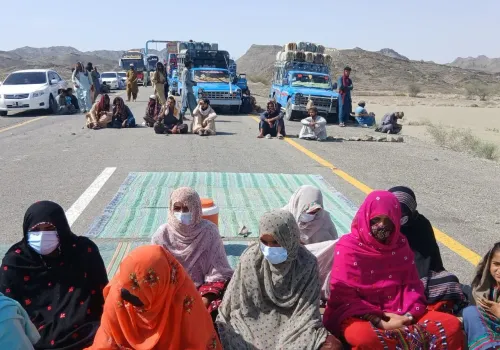
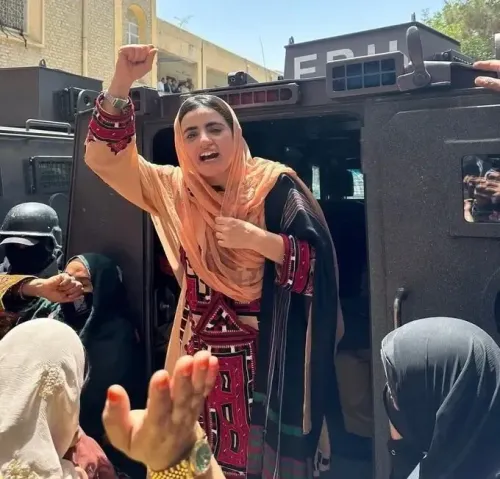
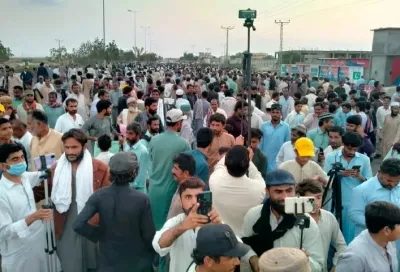
Quetta, Nov 29 (NationPress) A prominent human rights organization has highlighted a significant humanitarian crisis in Balochistan, raising alarms over an escalation in systematic oppression and violence carried out by Pakistani authorities.
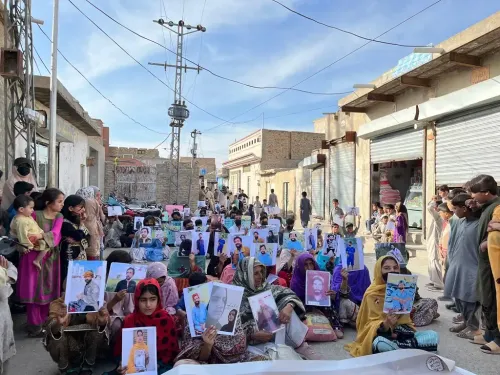
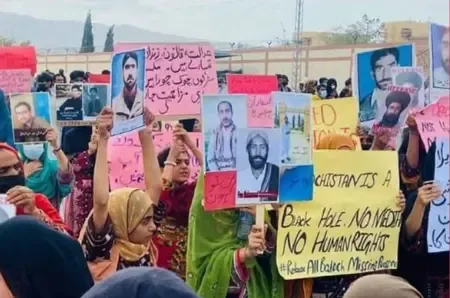
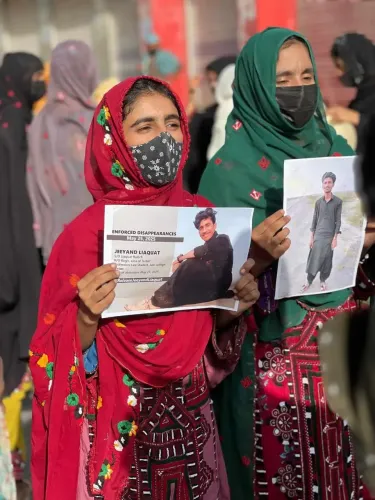
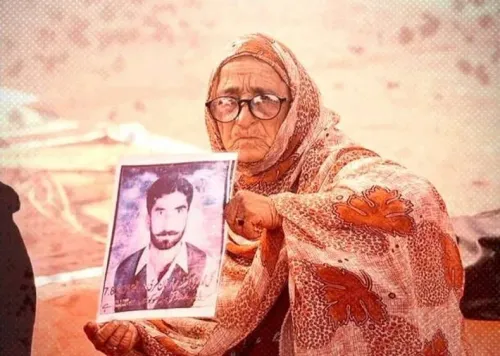
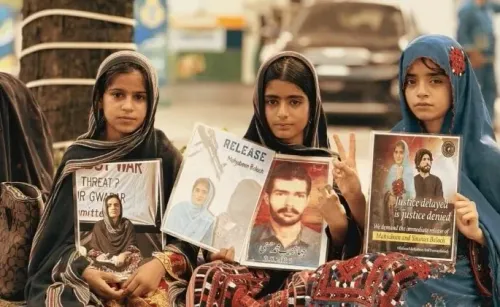
In its report entitled “Human Rights Situation in Balochistan”, the Baloch Yakjehti Committee (BYC) detailed 168 instances of enforced disappearances from September to October, revealing that 12 individuals were released, 17 were killed while in custody, and 140 remain unaccounted for.
Among the affected regions, Kech reported the highest number of cases at 54, followed by Panjgur with 26, Dera Bugti with 21, and Quetta with 20.
The report indicates that the majority of those affected by enforced disappearances are young adults aged between 19 and 25, representing various professions. This group includes 53 students, 21 minors, and one woman, with Pakistan’s Frontier Corps (FC) identified as the primary offender, responsible for 45% of the cases, along with the Counter-Terrorism Department (CTD) and Military Intelligence (MI).
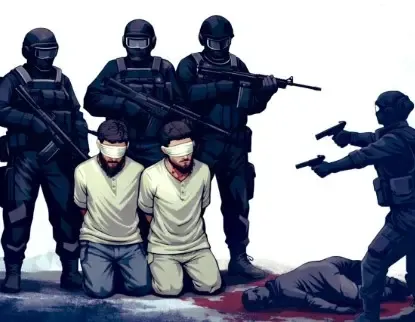
Additionally, the report documented 25 cases of extrajudicial killings during this timeframe, with victims including one minor and one woman. The methods of these killings ranged from target assassinations by Pakistan-backed death squads to custodial homicides and the disposal of mutilated remains.
“The majority of these victims were previously reported as missing, having been killed either in detention or subjected to torture. District Kech recorded the most cases, totaling 10, followed by Panjgur at 7. The Frontier Corps was implicated in 52% of these killings, alongside state-backed death squads and the Army,” the report elaborated.
The BYC accused authorities of continuing to torture and mistreat victims, noting that those subjected to 'kill and dump' practices exhibited severe physical abuse.
“The bodies of 16-year-old Faraz Baloch and 18-year-old Mehraj Baloch were horrifically mutilated and nearly unrecognizable, with Mehraj being identified only through his identity card placed next to his corpse. The physical and sexual abuse of young female Nazia Shafi during a military raid signifies a troubling pattern of torture and impunity in Balochistan, consistently accompanied by state denial and attempts to rationalize such actions,” the report stated.
Emphasizing the ongoing atrocities in Balochistan, the BYC pointed out that collective punishment against Baloch communities has intensified, as the entire population of Zehri tehsil in Khuzdar district remains under military siege.
“Civilians in Zehri have endured airstrikes, drone assaults, and mortar shelling, resulting in approximately 20 deaths, including women and children. Residents have witnessed the destruction of homes, enforced disappearances, crop damage, and mass migrations. Extended curfews, communication blackouts, and movement restrictions have led to hunger and a public health crisis in the area,” the rights organization asserted.
The BYC contended that the targeted oppression of Baloch individuals based on their identity cultivates a sense of racial persecution from the state, undermining the universal principles of justice, democracy, and the rule of law while revealing the true intentions of Pakistani authorities to dominate land and its inhabitants.
Point of View
We stand firmly on the side of justice and human rights. The reports emerging from Balochistan highlight a troubling reality that requires our attention. We must advocate for the victims and ensure that their voices are heard, pushing for accountability and the protection of basic human rights.
NationPress
18 Sept 2026
Frequently Asked Questions
What is the current humanitarian situation in Balochistan?
The humanitarian situation in Balochistan is critical, with reports of enforced disappearances, extrajudicial killings, and ongoing oppression by authorities.
Who is responsible for the human rights violations in Balochistan?
The Pakistani authorities, particularly the Frontier Corps, Counter-Terrorism Department, and Military Intelligence, are implicated in the human rights violations.
How many cases of enforced disappearances were reported?
The Baloch Yakjehti Committee reported 168 cases of enforced disappearances during September and October.
What actions have been taken by the international community?
The international community has yet to take significant action, but there are calls for intervention and accountability regarding the situation in Balochistan.
What can be done to address the crisis in Balochistan?
Raising awareness, advocating for victims' rights, and pushing for international intervention are crucial steps to address the humanitarian crisis.