India-China people-to-people ties improve with Kailash Yatra, flight links: MEA
Synopsis
After years of deep freeze following the 2020 Galwan clash, India and China are rebuilding people-to-people ties — resuming the Kailash Mansarovar Yatra and restoring direct flights. The MEA's measured optimism, however, came in the same breath as unanswered questions about anti-Indian content on Chinese social media, revealing how much ground the relationship still needs to cover.
Key Takeaways
MEA spokesperson Randhir Jaiswal confirmed on 4 August that India and China have taken steps to improve people-to-people ties.
The Kailash Mansarovar Yatra has been resumed and civil aviation connectivity between the two countries has been restored.
The briefing was triggered partly by concerns from the Indian diaspora over anti-Indian content on Chinese social media platforms .
Foreign Secretary Vikram Misri met Chinese Vice Minister Hua Chunying last month and reviewed the full gamut of bilateral relations.
Both sides acknowledged the importance of peace and tranquillity in India-China border areas.
Misri also met CPC Central Party School Vice President Li Wentang to explore future institutional cooperation.
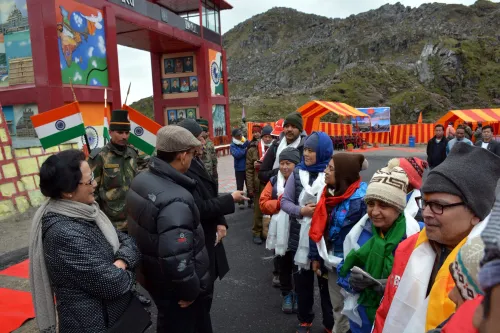
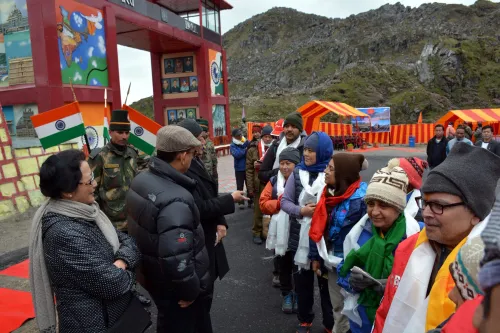
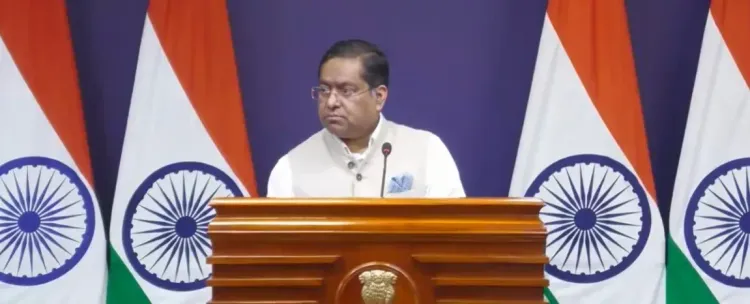
The Ministry of External Affairs (MEA) on Tuesday, 4 August said that India and China have taken concrete steps to strengthen people-to-people relations, citing the resumption of the Kailash Mansarovar Yatra and the restoration of direct civil aviation links between the two countries. The remarks came during the MEA's bi-weekly media briefing in New Delhi.
What the MEA Said
MEA spokesperson Randhir Jaiswal expressed confidence that the measures underway would deepen the positive momentum in bilateral ties. 'Discussions between the two countries are ongoing and the talks are moving in a positive direction. Several steps have been taken to improve relations between the people of both countries. You may have seen the resumption of the Kailash Mansarovar Yatra. Civil aviation connectivity has also been re-established between the two countries, along with many other such measures. We believe these steps will further strengthen the positive relationship between the two countries,' Jaiswal said.
Context: Anti-Indian Content on Chinese Social Media
Jaiswal's remarks came in response to a question about concerns raised by the Indian diaspora regarding a reported rise in abusive content targeting Indians and Indian culture on Chinese social media platforms. Members of the Indian community had reportedly flagged the issue at an open forum hosted by the Indian Embassy in Beijing. The MEA's response — framing the relationship in terms of forward progress — notably did not directly address the social media concern.
Foreign Secretary Misri's China Visit
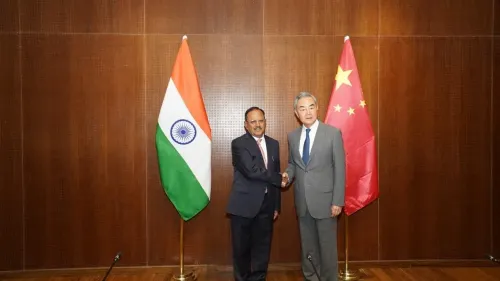
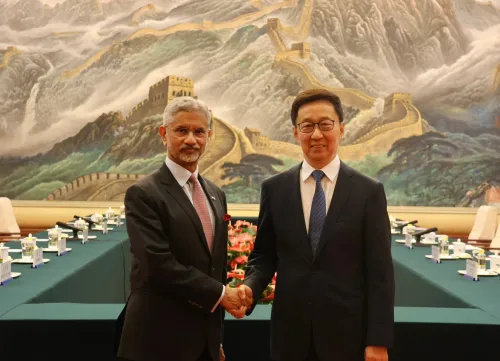
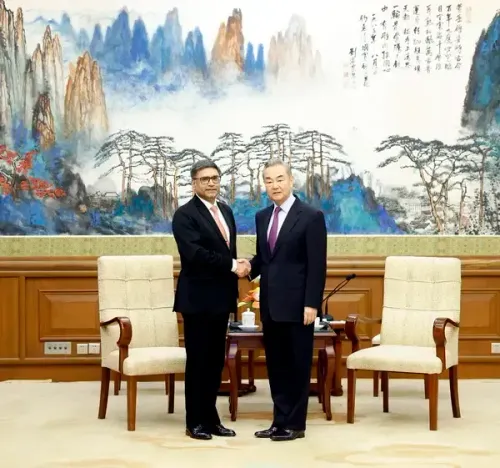
The briefing follows Foreign Secretary Vikram Misri's official visit to China last month, during which he met Vice Minister of Foreign Affairs Hua Chunying and reviewed the full spectrum of bilateral relations. According to a statement posted on X by the Embassy of India in China, both sides discussed advancing the shared vision of India and China as 'partners and development opportunities for each other,' spanning trade, economic ties, culture, and people-to-people exchanges.
Both sides also acknowledged the importance of maintaining peace and tranquillity in the India-China border areas — a reference to the fragile equilibrium that has held since the disengagement at Galwan and other friction points.
CPC Engagement and Future Cooperation
During his visit, Misri also held a separate meeting with Li Wentang, Vice President of the Communist Party of China (CPC) Central Party School, where discussions focused on opportunities for future cooperation and bilateral exchanges. The engagement with a party-school official signals an effort to deepen institutional ties beyond government-to-government channels.
What Comes Next
Diplomatic talks between India and China are described as ongoing, with both sides signalling willingness to expand cooperation. The restoration of pilgrimage routes and air connectivity, after years of disruption following the 2020 Galwan Valley clash, marks a tangible shift — though analysts note that structural tensions over the border and trade imbalance remain unresolved. How quickly the two sides can move from confidence-building measures to deeper normalisation will be closely watched in the months ahead.
Point of View
But the subtext is telling. Jaiswal was asked specifically about anti-Indian abuse on Chinese social media — a live concern for the diaspora — and responded with a list of positive bilateral measures rather than a direct answer. That pivot reflects the diplomatic tightrope India walks: eager to normalise after Galwan, but unwilling to publicly press Beijing on issues that could derail fragile goodwill. The resumption of the Kailash Mansarovar Yatra and flight links are real wins, but they are confidence-building measures, not structural fixes. The border remains unsettled, the trade deficit with China is near record levels, and the social media hostility question hangs unanswered. Normalisation at the people-to-people level, while strategic competition continues, is a narrow lane to navigate.
NationPress
4 Aug 2026
Frequently Asked Questions
What steps have India and China taken to improve people-to-people ties?
India and China have resumed the Kailash Mansarovar Yatra and restored direct civil aviation connectivity, among other measures, according to MEA spokesperson Randhir Jaiswal on 4 August. Both governments say further steps are under discussion.
Why did the MEA address India-China relations at the briefing?
The MEA was responding to a question about concerns raised by the Indian diaspora over a rise in abusive content targeting Indians on Chinese social media platforms. The issue was reportedly flagged at an open forum hosted by the Indian Embassy in Beijing.
What did Foreign Secretary Vikram Misri discuss during his China visit?
Misri met Vice Minister of Foreign Affairs Hua Chunying and reviewed the full range of bilateral relations, including trade, economic ties, culture, and people-to-people exchanges. Both sides also reaffirmed the importance of maintaining peace and tranquillity along the India-China border.
Who is Li Wentang and why did Misri meet him?
Li Wentang is the Vice President of the Communist Party of China's Central Party School. Misri's meeting with him focused on opportunities for future cooperation and exchanges, signalling an effort to deepen institutional ties beyond standard diplomatic channels.
Has the India-China relationship fully normalised after the 2020 Galwan clash?
Not fully. While confidence-building measures such as the Yatra resumption and flight restoration mark progress, structural issues including border tensions and a significant trade imbalance remain unresolved. Diplomatic talks are described as ongoing and moving in a positive direction.