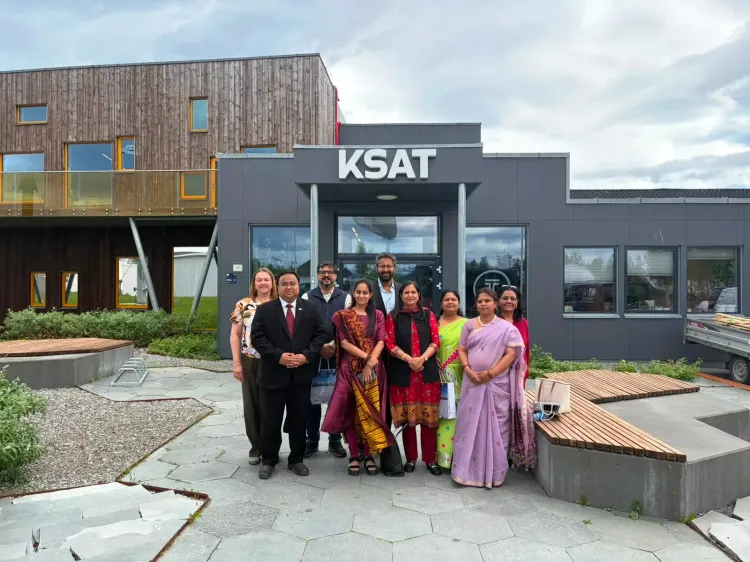
Indian MPs visit KSAT in Norway, explore satellite tech for maritime security
Synopsis
An Indian parliamentary delegation's visit to Kongsberg Satellite Services in Tromsø laid bare a quietly expanding frontier in India-Norway ties — one that spans satellite surveillance, Arctic science, and sustainable fisheries. The Knowledge Exchange Tour signals that Indian lawmakers are actively benchmarking global best practices in space-enabled ocean governance, with direct implications for India's own Blue Economy ambitions.
Key Takeaways
An Indian parliamentary delegation visited Kongsberg Satellite Services (KSAT) in Tromsø, Norway on 6 June as part of a Knowledge Exchange Tour.
The tour was organised by the Royal Norwegian Embassy and UN Women India .
Rajya Sabha MP Sasmit Patra highlighted KSAT's role in satellite-based maritime monitoring and its potential for Norway-India cooperation in space and climate resilience.
The delegation met Dr.
Nalan Koc of the Norwegian Polar Institute at the Fram Centre to discuss Arctic governance and climate change.
MPs also visited Polaria , engaged with the Arctic Council , and met the Norwegian Seafood Council at Kystens Hus on sustainable fisheries.
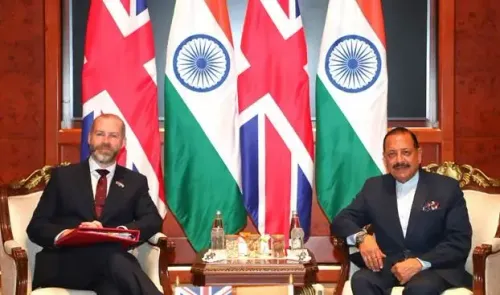
An Indian parliamentary delegation visited Kongsberg Satellite Services (KSAT) in Tromsø, Norway on Saturday, 6 June, gaining first-hand exposure to cutting-edge satellite-based maritime surveillance as part of a Knowledge Exchange Tour organised by the Royal Norwegian Embassy and UN Women India. The visit underscored the growing convergence of space technology, ocean governance, and climate resilience in India-Norway bilateral engagement.
Insights from KSAT
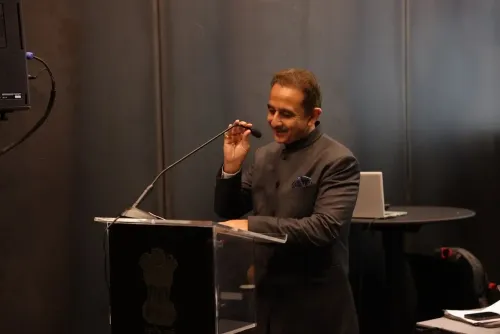
Rajya Sabha MP Sasmit Patra, a member of the delegation, described KSAT as 'a global leader in satellite-based maritime monitoring and surveillance.' In a post on X, Patra said the discussions offered 'valuable insights into the transformative role of satellite technology in maritime security, sustainable ocean management, and environmental monitoring.'
Patra further noted that the interaction highlighted 'innovative approaches that harness space-based data to address pressing global challenges and support evidence-based policymaking.' He added that the visit revealed 'immense potential for strengthening Norway-India cooperation in the fields of space technology, climate resilience, and sustainable development.'
Arctic Governance and Climate Science
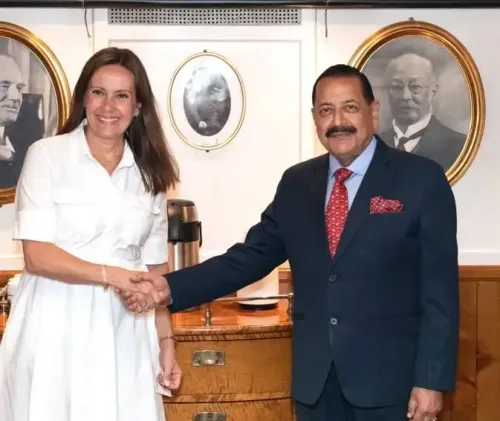
The delegation also toured the Fram Centre, a leading Arctic research hub in Norway, where they met Dr. Nalan Koc, Research Director at the Norwegian Polar Institute. Discussions covered climate change, Arctic governance, and sustainable polar management.
'Protecting these ecosystems is a shared global responsibility and it's inspiring to see science leading the way,' Patra said. The Fram Centre brings together over 20 Norwegian research institutions focused on the High North, making it a key venue for international scientific diplomacy.
Polaria, Arctic Council, and Seafood Innovation
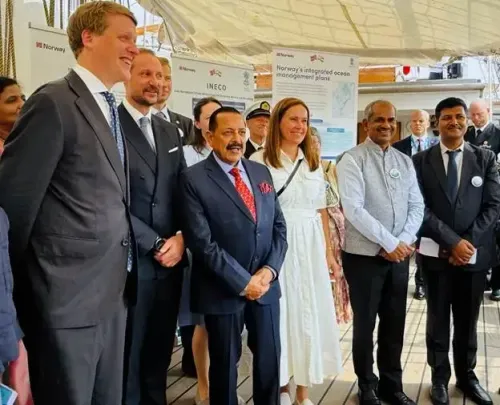
According to delegation member and Member of Parliament Sribharat Mathukumilli, the group also visited Polaria — Norway's Arctic experience centre — to better understand Arctic ecosystems and the climate challenges they face. The delegation subsequently interacted with the Arctic Council on regional cooperation and sustainability frameworks.
Rounding out the itinerary, the MPs engaged with the Norwegian Seafood Council at Kystens Hus, exploring sustainable fisheries practices, seafood innovation, and global market dynamics — areas of direct relevance given India's own ambitions in blue economy development.
Broader Significance for India-Norway Ties
This comes amid deepening India-Norway cooperation across maritime, polar, and climate domains. Norway is a recognised leader in satellite-based ocean surveillance and sustainable fisheries, both of which align with India's national priorities under its Blue Economy Policy and commitments under international climate frameworks. The Knowledge Exchange Tour, co-organised with UN Women India, also carries a gender and governance dimension, signalling a multidimensional approach to the bilateral relationship.
The delegation's engagements in Tromsø are expected to inform legislative discussions back home on space technology applications and ocean governance policy.
Point of View
Or remain confined to a well-crafted post on X.
NationPress
21 Oct 2026
Frequently Asked Questions
What did the Indian parliamentary delegation do in Norway?
The delegation visited Kongsberg Satellite Services (KSAT) in Tromsø on 6 June, the Fram Centre, Polaria, and the Norwegian Seafood Council as part of a Knowledge Exchange Tour organised by the Royal Norwegian Embassy and UN Women India. The visits covered satellite maritime surveillance, Arctic governance, and sustainable fisheries.
Who is Sasmit Patra and what did he say about the KSAT visit?
Sasmit Patra is a Rajya Sabha MP and member of the delegation. He described KSAT as a global leader in satellite-based maritime monitoring and said the discussions highlighted immense potential for Norway-India cooperation in space technology, climate resilience, and sustainable development.
What is Kongsberg Satellite Services (KSAT)?
KSAT is a Norwegian company recognised globally for satellite-based maritime monitoring and surveillance. It provides space-derived data used for ocean management, environmental monitoring, and security applications.
What was discussed at the Fram Centre?
At the Fram Centre, the delegation met Dr. Nalan Koc, Research Director at the Norwegian Polar Institute, and discussed climate change, Arctic governance, and sustainable polar management. The Centre hosts over 20 Norwegian research institutions focused on the High North.
Why does this visit matter for India?
The visit is relevant to India's Blue Economy Policy and its growing interest in space-enabled ocean governance. Norway's expertise in satellite surveillance and sustainable fisheries offers practical models that Indian policymakers could adapt for maritime security and climate resilience frameworks.