Khalistan module in Malaysia: ISI-backed network plots narco-funding ops
Synopsis
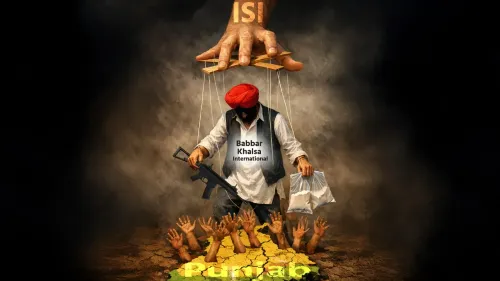
India's security agencies are tracking a new ISI-backed Khalistan module in Malaysia — smaller and more covert than its Canadian or UK predecessors, but potentially more dangerous. The network's primary weapon isn't street protests; it's narcotics money and clandestine fundraising, with Punjab squarely in its crosshairs.
Key Takeaways
The ISI has reportedly moved a pro-Khalistan operational module to Malaysia , targeting India through fundraising and narcotics smuggling.
The module is reportedly handled by Pardeep Singh Khalsa and controlled remotely from Pakistan .
Officials say narco-smuggling into Punjab — not propaganda — is the primary security concern.
Malaysia's Sikh population of ~100,000 and 100 Gurdwaras are seen as potential targets for radicalisation, though the community has historically resisted such attempts.
During PM Modi's February 2026 visit to Kuala Lumpur , India and Malaysia formalised agreements on intelligence sharing and counter-terror financing.
Funding sources for the Khalistan movement are reportedly drying up following multiple drug busts in Punjab.
Pakistani intelligence agency ISI has reportedly relocated a pro-Khalistan operational module to Malaysia, with the network allegedly engaged in fundraising, narcotics smuggling, and plotting attacks targeting India, according to Indian intelligence officials. The development has raised fresh alarm among Indian security agencies, who are closely monitoring the emerging network from New Delhi.
Why Malaysia Was Chosen
According to officials, the ISI strategically selected Malaysia for its geographic proximity to India and its relatively large Sikh diaspora of approximately 100,000 members and around 100 Gurdwaras. Officials noted that traditional operational bases in Canada and the United Kingdom have become increasingly untenable, as both countries have come under international scrutiny for harbouring pro-Khalistan activities. Malaysia, by contrast, offers the ISI a lower-profile environment for what officials describe as a more sophisticated, clandestine approach.
An Intelligence Bureau official said the Malaysia module would be "relatively smaller in nature" and would deliberately avoid the visible street protests and vandalism that characterised Khalistani activities in Canada and the UK. "The ISI does not want this module to have a radical approach and come under the lens. Instead, it has suggested a sophisticated operation that would be hard for the agencies to trace," the official reportedly said.
The Narcotics Threat
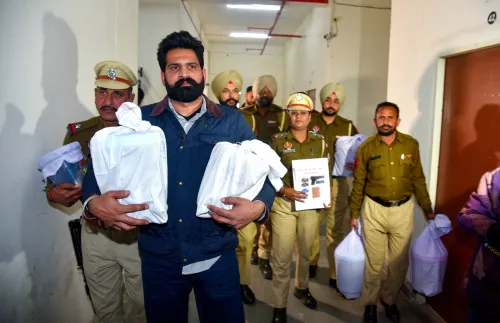
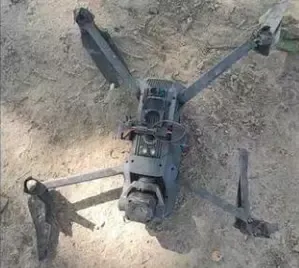
Indian security officials say the most immediate concern is not propaganda but narcotics smuggling. Smuggling drugs into Punjab has grown significantly harder following a sustained crackdown by Indian agencies, and earlier attempts using drones achieved only limited success before detection rates improved sharply. Officials believe the ISI and Khalistani elements intend to exploit the Malaysia narcotics smuggling route to resume drug flows into India, which in turn serve as a key funding mechanism for the movement.
"The propaganda is not too much of a worry, as of now, but narco smuggling very much is," one official was quoted as saying. Funding sources have also been drying up following multiple drug busts in Punjab, and officials noted that several donors have distanced themselves from the movement after recognising its terror-linked nature rather than any genuine political cause.
The Handler and the Network
The Malaysia module is currently reportedly being handled by one Pardeep Singh Khalsa, who is said to have recruited and radicalised several youth before facilitating their relocation to Malaysia. The members are believed to be controlled remotely from Pakistan. The primary agenda, according to officials, is discreet fundraising, with a secondary focus on narcotics smuggling. Officials said the ISI aims to "achieve something big in Punjab" through this module operating in a clandestine manner.
Sikh Community Resistance and Past Attempts
This is not the first time Khalistani elements have attempted to establish a base in Malaysia. Previous efforts were reportedly rejected by the local Sikh community, which officials say is largely focused on preserving its cultural and religious heritage rather than supporting separatist politics. Officials expressed cautious optimism that the community would again resist radicalisation attempts.
India-Malaysia Cooperation and What Comes Next
Indian officials expressed confidence that bilateral ties would help neutralise the module. During Prime Minister Narendra Modi's strategic visit to Kuala Lumpur in February 2026, both countries condemned cross-border terrorism and agreed to a zero-tolerance policy. New agreements were formalised to enhance intelligence sharing, combat terror financing, and disrupt transnational terror networks. "India and Malaysia share excellent ties and together such modules could be handled," one official said. With those frameworks now in place, Indian agencies are expected to work closely with Malaysian counterparts to monitor and disrupt the network before it consolidates.
Point of View
Not a retreat from intent. The ISI has read the room — high-visibility Khalistan activism in Western democracies generated diplomatic blowback without delivering operational results. A quieter, narco-funded module in Southeast Asia is harder to counter precisely because it avoids the optics that triggered crackdowns elsewhere. The real vulnerability here is Punjab's drug economy: as long as narcotics remain a viable funding channel, the movement has a lifeline that propaganda crackdowns alone cannot sever. India's February 2026 agreements with Malaysia are a meaningful step, but the test will be operational follow-through, not joint communiqués.
NationPress
19 Sept 2026
Frequently Asked Questions
Why has Malaysia become a hub for pro-Khalistan elements?
According to Indian intelligence officials, the ISI chose Malaysia for its geographic proximity to India and its sizeable Sikh diaspora of approximately 100,000 people. Traditional bases in Canada and the UK have become increasingly untenable due to international scrutiny, making Malaysia a lower-profile alternative for covert operations.
Who is handling the Khalistan module in Malaysia?
The module is reportedly being handled by one Pardeep Singh Khalsa, who allegedly recruited and radicalised several youth before sending them to Malaysia. Members are said to be controlled remotely from Pakistan.
What is the primary threat posed by this module?
Indian officials say the most pressing concern is narcotics smuggling into Punjab rather than propaganda. The ISI and Khalistani elements are believed to be planning to exploit Malaysian drug-smuggling routes to fund the movement, as conventional funding sources have dried up after multiple drug busts.
How are India and Malaysia cooperating to counter this threat?
During Prime Minister Narendra Modi's visit to Kuala Lumpur in February 2026, both countries condemned cross-border terrorism and agreed to a zero-tolerance policy. New agreements were signed to enhance intelligence sharing, combat terror financing, and disrupt transnational terror networks.
Has the Sikh community in Malaysia supported the Khalistan movement?
No — officials note that previous attempts by Khalistani elements to establish a base in Malaysia were rejected by the local Sikh community, which is largely focused on preserving its cultural and religious identity rather than supporting separatist politics.