Does Madrassa Education in Pakistan Intensify Inequality and Foster Extremism?
Synopsis
A recent report reveals the troubling dynamics of madrassa education in Pakistan, highlighting how these institutions serve as both a refuge for the poor and a breeding ground for radicalism. With deepening inequality and alarming cases of abuse, this issue raises critical questions about the future of education and stability in the country.
Key Takeaways
Madrassas offer refuge for the underprivileged but also contribute to radicalization.
They foster extremism that contradicts national interests.
Socioeconomic inequality is perpetuated through limited curricula.
Widespread abuse cases have emerged, raising alarms.
International concern calls for reform in Pakistan's education sector.
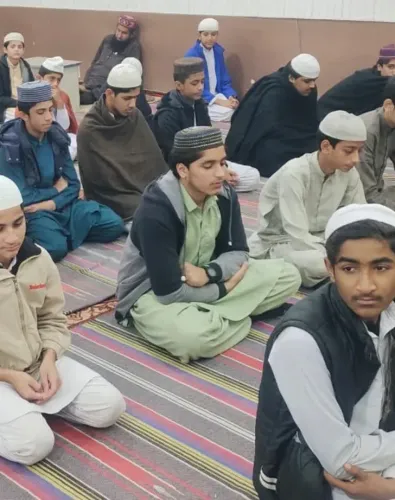
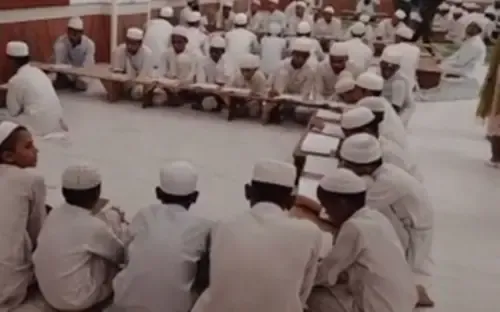
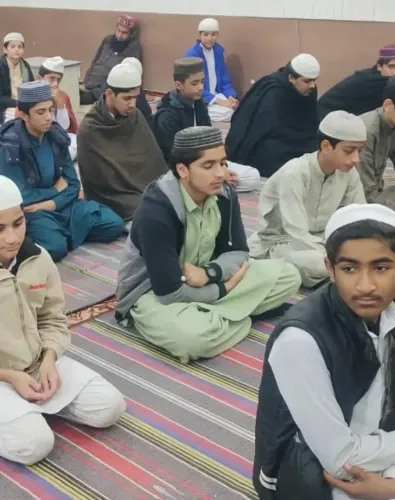
Islamabad, Oct 30 (NationPress) The educational landscape of Pakistan’s madrassas presents a concerning paradox—serving as a sanctuary and source of religious education for the underprivileged, while concurrently fostering extremism, exacerbating inequality, and enabling abuse, according to a recent report released on Thursday.
The report emphasized that even though madrassa education is largely regarded as a matter of internal policy, there is significant concern from the global community regarding Pakistan's responsibility to enhance its education sector and dismantle institutions that serve as breeding grounds for radicalism.
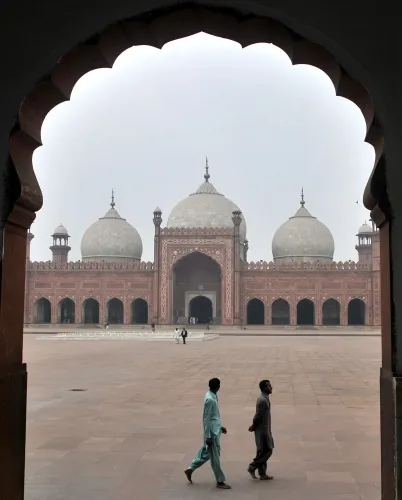
“In a nation as multifaceted and divided as Pakistan, the divide between its two educational frameworks—secular institutions and religious seminaries known as madrassas—has become a highly contentious topic. This chasm goes beyond just curriculum and teaching methods; it signifies more extensive social, economic, and political divisions that will shape the nation’s future,” detailed a report from the European Times.
As outlined in the report, madrassas have frequently faced accusations of promoting extremist ideologies that contradict Pakistan's national interests and the global ideals of peace and tolerance.
“The 2005 Red Mosque siege in Islamabad highlighted these concerns dramatically. A madrassa linked to the mosque effectively declared war on the state, took hostages, and demanded the enforcement of Sharia law. The military's response resulted in over 100 casualties and marked a pivotal moment in Pakistan's relationship with religious educational institutions. Critics began labeling madrassas as 'jihad factories,' even leading to former President Pervez Musharraf receiving death threats for his actions against them,” it noted.
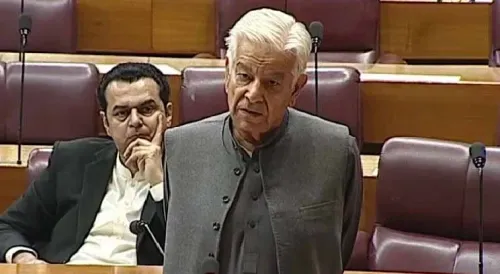
The report also pointed out a recent comment from Pakistani Defence Minister Khwaja Asif, indicating that “As far as madrassas or madrassa students are concerned, it is undeniable that they are our second line of defence, the youth who are studying there. When the moment arises, they will be utilized as needed, 100 percent.” This statement was interpreted as an acknowledgment of Pakistan's role in fostering radicalism.
Such statements further reinforce the notion that madrassas are not merely educational facilities but ideological conduits for extremism.
Moreover, the report highlighted that madrassas contribute not only to radicalization but also to socioeconomic inequality. Their curricula are predominantly focused on religious teachings, neglecting essential secular subjects such as mathematics, science, or technology.
“Alarmingly, madrassas have also come under fire for widespread instances of abuse, particularly sexual violence. Numerous reports in recent years have documented cases of exploitation, often involving vulnerable children from impoverished backgrounds. These children, sent to madrassas by parents seeking safe havens, sometimes endure horrific abuse at the hands of authority figures. Many madrassas have been accused of protecting abusers, and the silence of society has allowed these issues to endure,” the report remarked.
Point of View
I affirm that the issues surrounding madrassa education require a nuanced understanding. While they provide essential services to many impoverished families, addressing the radicalization and abuse associated with these institutions is crucial. Our nation's future hinges on finding a balanced approach that respects religious education while safeguarding our youth.
NationPress
5 Oct 2026
Frequently Asked Questions
What role do madrassas play in Pakistani society?
Madrassas serve as educational institutions for many underprivileged children, providing religious education and, in some instances, shelter. However, they are also criticized for fostering radical ideologies and perpetuating inequality.
How do madrassas contribute to extremism?
Madrassas have been accused of promoting extremist ideologies that contradict national interests, often focusing heavily on religious instruction while neglecting secular education.
What are the socioeconomic impacts of madrassas?
Madrassas perpetuate socioeconomic inequality by prioritizing religious education over essential subjects like mathematics and science, limiting students' future opportunities.
Are there reports of abuse in madrassas?
Yes, there have been numerous reports of abuse, particularly sexual violence, within madrassas, often affecting vulnerable children from economically disadvantaged backgrounds.
What is the international community's stance on madrassas?
The international community is concerned about the potential for madrassas to act as breeding grounds for extremism and is urging Pakistan to uphold its educational obligations.