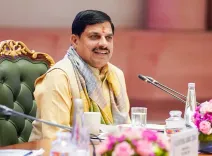
PM Modi Celebrates Peter Magyar's Victory in Hungary Elections
Synopsis
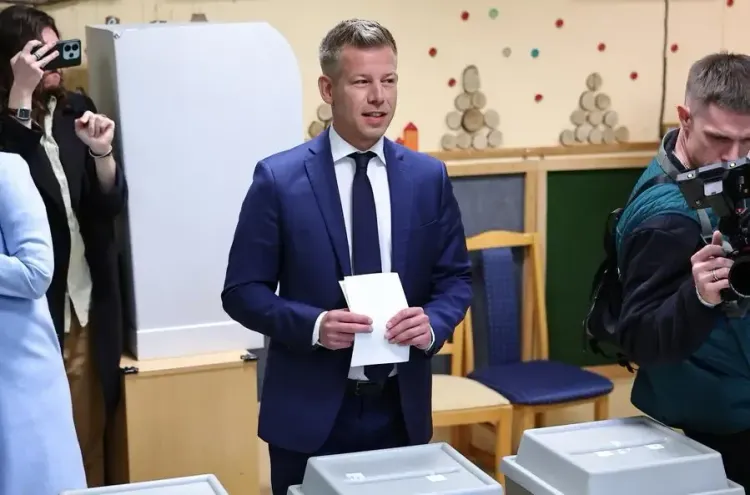
Prime Minister Narendra Modi has congratulated Peter Magyar for his remarkable victory in Hungary’s parliamentary elections, signaling a transformative political shift. This development emphasizes the deep-rooted ties between India and Hungary, as both nations look forward to strengthening their bilateral cooperation.
Key Takeaways
PM Modi congratulated Peter Magyar on his election victory.
The Tisza Party secured a significant majority in Hungary’s parliament.
This victory marks the end of Viktor Orban's 16-year rule.
India and Hungary share a deep-rooted friendship and mutual respect.
Potential for enhanced cooperation in the India-EU Strategic Partnership.
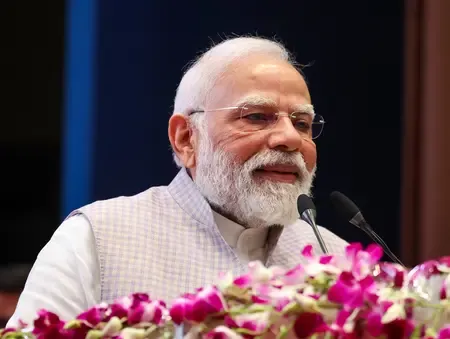
New Delhi, April 13 (NationPress) Prime Minister Narendra Modi extended his congratulations to Peter Magyar and the Tisza Party following their significant win in Hungary’s parliamentary elections, indicating a critical political transition within the European country.
In a message shared on X, PM Modi stated, “My warmest congratulations to Mr. Peter Magyar and the Tisza Party on your remarkable election triumph. India and Hungary are united by profound friendship, common values, and lasting mutual respect. I eagerly anticipate collaborating closely with you to enhance our bilateral relations and to promote the essential India-EU Strategic Partnership for the collective prosperity and welfare of our nations.”
This congratulatory note follows the historic results of Hungary’s parliamentary elections on April 12, where the Magyar Tisza Party achieved a decisive majority. This outcome concludes the 16-year governance of Viktor Orban, whose Fidesz party acknowledged its defeat after the majority of ballots were tallied.
The elections displayed an unprecedented voter turnout, showcasing robust public engagement in what many view as a pivotal moment for Hungary’s political landscape. Orban, who had been at the helm since 2010, extensively influenced Hungary's political framework, characterizing it as an “illiberal state.” His administration often faced friction with the European Union over issues concerning judicial independence, media freedom, and civil rights.
PM Modi’s communication highlights the enduring connections between India and Hungary, which have remained resilient despite political and economic changes over time. This relationship has consistently been referred to as “close and friendly”, founded on shared principles and mutual respect, even as Hungary adjusted its foreign policy in the post-Cold War context.
With new leadership poised to take office in Budapest, PM Modi expressed his hope for enhanced collaboration, particularly in light of the broader India-European Union partnership. This development signifies a potential new phase of diplomatic and economic interaction between the two nations.
Magyar’s victory is perceived as a crucial juncture not only for Hungary’s internal politics but also for its future engagements within Europe and with global allies such as India.
Point of View
It is crucial to recognize the significance of Peter Magyar's election victory in Hungary and its potential impact on international relations. This transition not only reshapes Hungary's domestic politics but also offers new opportunities for India to strengthen its ties with Hungary and the broader European Union.
NationPress
19 Sept 2026
Frequently Asked Questions
What was the outcome of the recent elections in Hungary?
The Tisza Party, led by Peter Magyar, achieved a commanding majority in Hungary's parliamentary elections, marking a significant political shift.
How did PM Modi respond to Peter Magyar's victory?
PM Modi congratulated Peter Magyar and expressed eagerness to work closely to enhance bilateral cooperation between India and Hungary.
What does this victory mean for Hungary's political landscape?
Magyar's victory signifies a turning point in Hungary, ending Viktor Orban's long tenure and potentially altering Hungary's approach to its domestic and foreign policies.
What are the implications for India-Hungary relations?
The election results may lead to strengthened diplomatic and economic ties between India and Hungary, particularly in the context of the India-European Union partnership.
What was the voter turnout for the Hungarian elections?
The elections witnessed a record voter turnout, indicating strong public engagement in this pivotal political moment.