Modi's Seychelles visit cements India's role as IOR net security provider
Synopsis
Modi's Seychelles visit wasn't a routine diplomatic stop — it was a strategic signal. By handing over a Made-in-India patrol vessel and five other asset categories, India is quietly building a maritime security architecture across the Indian Ocean, one island nation at a time, as great-power competition for IOR influence accelerates.
Key Takeaways
PM Modi visited Seychelles to strengthen bilateral ties and reaffirm India's role as a net security provider in the Indian Ocean Region (IOR) .
Modi handed over FPV PS LESPWAR , 6 ambulances , 10 utility vehicles , and 5 laser radial boats to boost Seychelles' maritime surveillance.
Seychelles , an archipelago of 115 islands , guards vital sea lanes connecting East Africa , West Asia , and the broader Indian Ocean.
India has gifted maritime assets to Seychelles continuously since 2005 , including patrol boats, interceptor craft, and Dornier aircraft.
India's strategy relies on cooperative defence diplomacy with IOR littoral states rather than unilateral naval dominance.
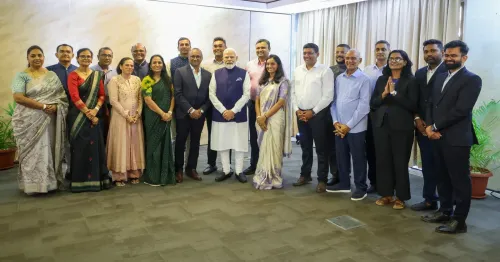
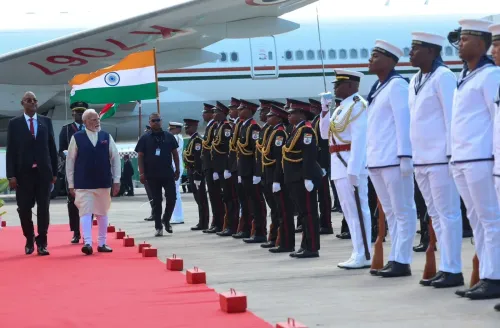
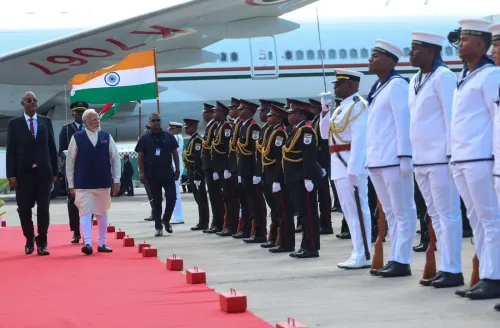
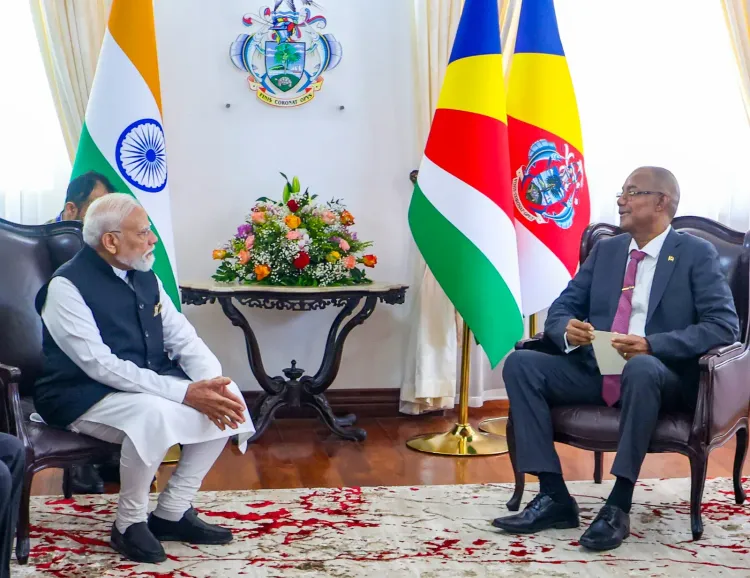
Prime Minister Narendra Modi's visit to Seychelles last month served a dual purpose: deepening bilateral ties and reaffirming India's strategic commitment to functioning as a net security provider across the Indian Ocean Region (IOR), according to an analysis by India Narrative. The visit underscored New Delhi's broader maritime diplomacy playbook at a time of heightened global security disorder.
Strategic Importance of Seychelles
Seychelles, an archipelago of 115 islands in the western Indian Ocean, sits astride critical sea lanes linking East Africa, West Asia, and the wider Indian Ocean. Control and security of these corridors are central to India's own trade and energy supply chains, making maritime cooperation with Seychelles, according to the report, 'indispensable' rather than optional.
The international security environment adds urgency to this calculus. As the India Narrative report noted, 'established norms are being undermined by regional conflicts and deeper uncertainty marked by periodic episodes of coercion and retaliation,' creating a more complex operating environment for Indian Ocean littoral states.
What Modi and President Herminie Agreed
During the visit, PM Modi held wide-ranging talks with Seychelles President Patrick Herminie, covering industries, connectivity, technology, and digital infrastructure. India also pledged continued engagement in housing, healthcare, transport, skilling, food security, education, and defence.
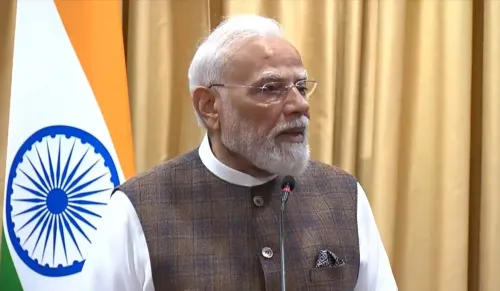
'President Herminie and I took stock of the economic partnership between India and Seychelles. We discussed new opportunities in industries, connectivity, technology, digital infrastructure and more,' Modi wrote on X.
On the broader strategic vision, Modi added: 'Dr. Patrick Herminie and I agree that the Indian Ocean is our shared home and therefore, its security, sustainability and prosperity are our shared responsibility. India envisions an Indian Ocean where maritime security advances alongside economic prosperity. Our partnership is based not on size, but on mutual respect and trust.'
Defence Assets Handed Over
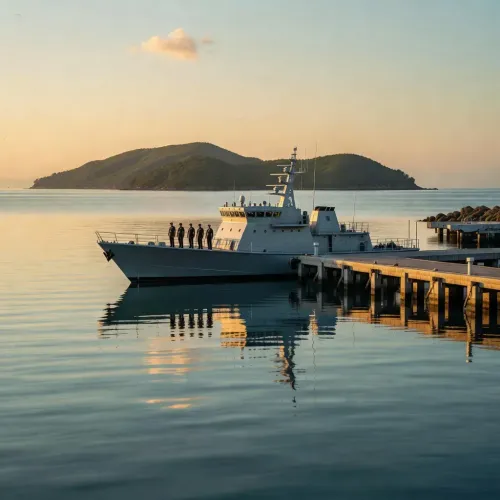
The visit produced tangible defence deliverables. PM Modi handed over a 'Made in India' Fast Patrol Vessel (FPV) PS LESPWAR, six ambulances, 10 utility vehicles, and five laser radial boats to bolster Seychelles' maritime surveillance and Exclusive Economic Zone (EEZ) monitoring capabilities.
This continues a long pattern of Indian maritime gifting to Seychelles: patrol boat PS Topaz in 2005, PS Constant in 2014, Fast Interceptor Boat C-405 in 2016, a second Dornier 228 aircraft in 2018 for maritime reconnaissance, and Fast Patrol Vessel SCG PS Zoroaster in 2021. Each transfer has incrementally expanded the Seychelles Coast Guard's operational reach.
India's Cooperative Security Strategy
The India Narrative report frames these transfers within a deliberate strategic logic: since India is not yet the sole security provider in the IOR, it has opted for a cooperative-defence model — building up the capabilities of littoral states rather than projecting an 'overtly aggressive naval strategy' that could unsettle regional neighbours.
'India has the option to invest in defence diplomacy and promote cooperative security mechanisms with Indian Ocean littoral states by bolstering their defence capabilities,' the report noted. This approach allows New Delhi to expand its security footprint while maintaining the goodwill essential for long-term regional influence.
What Comes Next
With island nations across the Indian Ocean gaining strategic salience, India's defence-diplomacy model is likely to extend to other IOR partners. The Seychelles visit sets a template — combining economic partnership with calibrated defence assistance — that New Delhi is expected to replicate across the region as competition for Indian Ocean influence intensifies.
Point of View
But the cumulative picture is more purposeful: New Delhi is constructing a distributed maritime-security network across the IOR, using smaller island nations as force-multipliers it cannot politically afford to deploy directly. The cooperative model is strategically sound, but it carries a dependency risk — if a recipient state pivots toward China's infrastructure offers, India's gifted assets become leverage for a rival. The real test of this doctrine is whether India pairs hardware transfers with binding security frameworks that outlast individual government cycles in these small states.
NationPress
12 Oct 2026
Frequently Asked Questions
What was the purpose of PM Modi's visit to Seychelles?
PM Modi's visit to Seychelles aimed to strengthen bilateral ties across economic and defence domains while reaffirming India's commitment to serving as a net security provider in the Indian Ocean Region. The two leaders discussed cooperation in industries, connectivity, technology, healthcare, education, and defence.
What defence assets did India hand over to Seychelles?
PM Modi handed over a Made-in-India Fast Patrol Vessel (FPV) PS LESPWAR, six ambulances, 10 utility vehicles, and five laser radial boats to strengthen Seychelles' maritime surveillance and Exclusive Economic Zone monitoring capabilities.
Why is Seychelles strategically important to India?
Seychelles is an archipelago of 115 islands in the western Indian Ocean, positioned near critical sea lanes connecting East Africa, West Asia, and the broader Indian Ocean region. Securing these corridors is vital to India's trade and energy supply chains, making maritime cooperation with Seychelles strategically indispensable.
What is India's net security provider role in the Indian Ocean Region?
India's role as a net security provider means it actively supports the maritime security capabilities of Indian Ocean littoral states through defence assistance, asset transfers, and capacity-building, rather than acting as the sole security enforcer. This cooperative approach allows India to expand its regional influence while avoiding an overtly aggressive naval posture.
How long has India been providing maritime assets to Seychelles?
India has gifted maritime assets to Seychelles since at least 2005, including patrol boats PS Topaz (2005) and PS Constant (2014), Fast Interceptor Boat C-405 (2016), a Dornier 228 aircraft (2018), and Fast Patrol Vessel SCG PS Zoroaster (2021), with the latest transfer occurring during Modi's recent visit.