Mongolia culls 1,230 livestock as FMD's SAT-1 strain hits western provinces
Synopsis
Mongolia has recorded its first-ever detection of the highly virulent SAT-1 serotype of foot-and-mouth disease, prompting the cull of over 1,230 animals in its western provinces. With the O serotype simultaneously spreading across six other provinces and 58.1 million head of livestock at risk, the outbreak poses a serious threat to an economy built on nomadic herding.
Key Takeaways
1,230 livestock animals have been culled in Bayan-Ulgii and Khovd provinces as of 10 June .
The culled animals were infected with the SAT-1 serotype — the first detection of this strain in Mongolia.
SAT-1 is highly virulent and spreads via airborne transmission, contaminated vehicles, humans, and wild animals.
The O serotype of FMD has also been confirmed in 6 of Mongolia's 21 provinces .
Mongolia had 58.1 million head of livestock at end- 2025 , making an uncontrolled outbreak an acute economic threat.
Both affected provinces are under a heightened state of preparedness for an indefinite period .
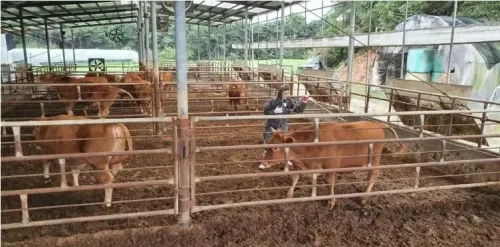
At least 1,230 livestock animals have been culled in Mongolia's western provinces of Bayan-Ulgii and Khovd following confirmed outbreaks of foot-and-mouth disease (FMD), the country's General Authority for Veterinary Services (GAVS) said, as reported by local media on Tuesday, 10 June. The outbreak marks the first detection of the SAT-1 serotype of the FMD virus in Mongolia — a strain considered highly virulent and capable of rapid spread.
The SAT-1 Strain: What Makes It Dangerous
According to the GAVS, all culled animals in the two provinces were infected with the SAT-1 serotype of the FMD virus. This strain is known for its aggressive transmission pathways — spreading through airborne contact, contaminated vehicles and equipment, direct human contact, and wild animals. Authorities described SAT-1 as particularly difficult to contain once established in a region's livestock population.
The outbreaks were first confirmed in late May, and both Bayan-Ulgii and Khovd provinces have since imposed a heightened state of preparedness for an indefinite period to prevent further spread.
Wider FMD Spread Across Mongolia
The SAT-1 situation is compounded by a concurrent outbreak of the O serotype of FMD, which has been reported in six of Mongolia's 21 provinces. The O serotype is responsible for the majority of FMD outbreaks globally, making its simultaneous presence a significant concern for veterinary authorities managing resources across a large geographic area.
FMD is classified as a transboundary animal disease (TAD), caused by an Aphthovirus of the family Picornaviridae. It affects cattle, swine, sheep, goats, and other cloven-hoofed ruminants, with severe economic consequences for livestock-dependent nations.
What Is at Stake for Mongolia's Economy
Livestock herding is a cornerstone of Mongolia's economy and central to its centuries-old nomadic heritage. According to the National Statistics Office, the country had 58.1 million head of livestock at the end of 2025 — a 0.8% increase from the previous year. An uncontrolled FMD outbreak could devastate this base, disrupting both domestic food supply chains and Mongolia's regional and international trade in animals and animal products.
Nations currently free of FMD without vaccination remain under constant threat of cross-border incursion, and the emergence of the SAT-1 strain in a country bordering China and Russia raises broader regional biosecurity concerns.
Containment Measures and What Comes Next
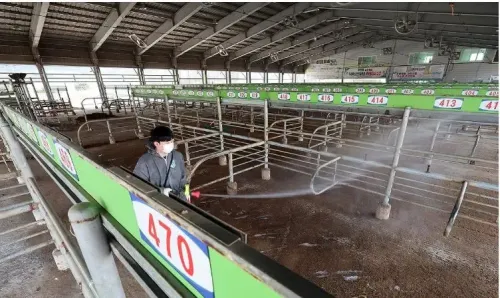
Provincial authorities in Bayan-Ulgii and Khovd have implemented movement restrictions and elevated biosecurity protocols. The GAVS has not yet announced a vaccination campaign timeline or confirmed whether international veterinary assistance has been requested. Monitoring of the remaining 19 unaffected provinces is expected to intensify as authorities work to prevent the SAT-1 strain from spreading beyond the western region.
Point of View
But a first-ever SAT-1 incursion in a country with 58 million livestock and porous borders with China and Russia is a regional biosecurity event, not just a domestic veterinary one. The indefinite preparedness order in two provinces signals that authorities are uncertain about containment. What is missing from the official response so far is any mention of a vaccination strategy or international coordination — both standard tools in SAT-type outbreaks. If the strain reaches central provinces, the economic damage could far outstrip the current cull figures.
NationPress
26 Oct 2026
Frequently Asked Questions
What is foot-and-mouth disease and why is it serious?
Foot-and-mouth disease (FMD) is a severe, highly contagious viral disease affecting cloven-hoofed animals including cattle, sheep, goats, and pigs. It is caused by an Aphthovirus of the family Picornaviridae and is classified as a transboundary animal disease (TAD) with major economic consequences, disrupting livestock production and international trade in animals and animal products.
What is the SAT-1 serotype and why is its detection in Mongolia significant?
SAT-1 is a serotype of the FMD virus considered highly virulent, capable of spreading rapidly through airborne transmission, contaminated equipment, humans, and wild animals. Its detection in Mongolia in late May 2025 marks the first time this strain has been identified in the country, raising concerns about its potential spread across a livestock population of over 58 million animals.
How many animals have been culled and where?
At least 1,230 livestock animals have been culled in Mongolia's western provinces of Bayan-Ulgii and Khovd following confirmed FMD outbreaks. All culled animals were infected with the SAT-1 serotype, according to the General Authority for Veterinary Services (GAVS).
Is the outbreak confined to the two western provinces?
No. While the SAT-1 serotype has been detected in Bayan-Ulgii and Khovd, the O serotype of FMD — responsible for the majority of outbreaks worldwide — has separately been reported in six of Mongolia's 21 provinces, indicating a broader spread of FMD across the country.
What measures have authorities taken to contain the outbreak?
Both Bayan-Ulgii and Khovd provinces have imposed a heightened state of preparedness for an indefinite period. Movement restrictions and elevated biosecurity protocols are in place, though no vaccination campaign timeline or request for international veterinary assistance has been officially announced as yet.