Could the Netflix-Warner Deal Lead to Antitrust Issues?
Synopsis
The US Senate is scrutinizing Netflix's $83 billion bid for Warner Bros. Discovery due to potential antitrust issues. Lawmakers fear the merger may lead to increased market power for Netflix, affecting competition and consumer choice in the entertainment sector.
Key Takeaways
Senate concerns over antitrust implications of the Netflix-Warner merger.
Potential market dominance could reshape competition in the entertainment sector.
Senators warn of job security issues for creative talent.
Defending the deal, Netflix promises to maintain theatrical releases .
Ongoing scrutiny from the U.S.
Department of Justice and FTC.
Washington, Feb 4 (NationPress) A panel from the US Senate has raised significant antitrust concerns regarding Netflix's proposed $83 billion acquisition of Warner Bros. Discovery. The panel is evaluating whether this merger could grant the streaming service undue market influence and alter competition within the entertainment sector.
Senate Antitrust Subcommittee Chair Mike Lee described the deal as "extraordinary in both scale and potential consequences," emphasizing the necessity for thorough examination.
As the world's leading streaming platform, Netflix would gain access to Warner Bros.' film and television studios, streaming services, and a vast collection of iconic content.
During a Congressional hearing, Lee highlighted horizontal antitrust issues, noting that Netflix and HBO Max are direct competitors in the subscription streaming market for premium films and series.
He also pointed out potential risks in the job market, as both companies vie for creative talent like writers, directors, and actors, suggesting that merging these major employers could diminish competition.
Lee further warned of vertical risks, stating that merging Netflix’s leading global distribution network with Warner Bros.' content library might place other competitors at a disadvantage.
He cautioned that the new entity could withhold popular titles, increase licensing costs, or prioritize its own content through Netflix's recommendation algorithms, even minor tweaks could impact visibility and competition.
Ranking Member Cory Booker expressed concern over corporate concentration, suggesting that selling Warner Bros. to a competitor might have "serious repercussions for consumers and the film and television industry." He noted that previous consolidations have often led to higher subscription rates, fewer options, and reduced opportunities for artists and creators.
Booker also raised alarms about the cultural implications, stating that an additional large merger could provide one corporation with significant control over "what we see, what we hear, and the news we consume," while numerous workers in the entertainment field are anxious about their job security.
In defense of the merger, Netflix co-CEO Ted Sarandos asserted that combining Netflix and Warner Bros. would "bolster the American entertainment landscape, maintain choice and value for consumers, and generate opportunities for creators."
Sarandos indicated that Netflix intends to manage Warner Bros.' studios in their current form, uphold traditional 45-day theatrical release windows for major films, and continue U.S. production investments.
He mentioned that the market remains fiercely competitive, referencing broadcast networks, rival streaming platforms, and technology firms.
According to him, Netflix constitutes about nine percent of U.S. television viewing time, a figure expected to reach ten percent post-merger.
He also noted that Netflix productions have created over 155,000 jobs in America and contributed $225 billion to the U.S. economy.
Bruce Campbell, Chief Revenue and Strategy Officer at Warner Bros. Discovery, stated that the board unanimously concluded that Netflix’s offer was the most favorable after evaluating competing proposals.
He added that this vertical merger would link Warner Bros.' studios with Netflix's streaming service while allowing for the separation of the news and sports networks into a new entity.
Several Senators questioned both executives about potential layoffs, price hikes, and the future of cinemas.
Lee and others cautioned that the deal might divert significant releases from theaters to streaming, limiting consumer options, while Sarandos assured that Netflix aims to support theatrical releases and maintain content investments.
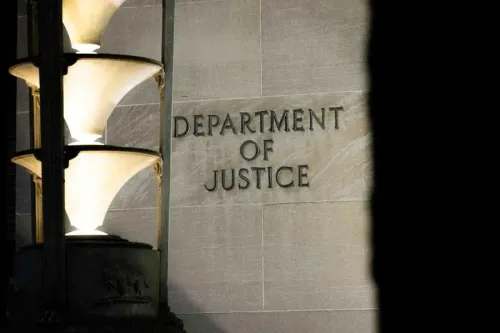
This hearing occurs as the U.S. Department of Justice and the Federal Trade Commission examine the merger under federal antitrust regulations, with lawmakers from both sides urging a thorough investigation of its effects on competition, pricing, employment, and the entertainment industry’s future.
Point of View
It is essential to closely monitor the Netflix-Warner Bros. merger due to its implications for market competition and consumer rights. The concerns raised by Senate officials reflect broader anxieties about corporate consolidation and its potential impact on the creative landscape and job security within the entertainment industry. The NationPress remains committed to providing balanced coverage of this evolving narrative.
NationPress
20 Sept 2026
Frequently Asked Questions
What are the main concerns regarding the Netflix-Warner merger?
The primary concerns include potential antitrust issues, market dominance, and the impact on competition within the entertainment industry.
How much is Netflix's bid for Warner Bros. Discovery?
Netflix is proposing an $83 billion acquisition of Warner Bros. Discovery.
What did Senate officials say about the merger?
Senate officials, including Mike Lee and Cory Booker, raised alarms about the merger’s potential to diminish competition and consumer choice.
How might the merger affect job security in the entertainment industry?
Consolidating two major employers could lead to job losses and reduced opportunities for creative talent.
What are the potential cultural implications of the merger?
The merger could provide one corporation with significant control over the media we consume, affecting public discourse and cultural representation.