Why Are Lawyers in Pakistan Opposing the 26th and 27th ‘Constitutional Amendments’?
Click to start listening
Synopsis
A recent lawyers' convention in Pakistan has raised significant concerns regarding the newly enacted 26th and 27th Constitutional Amendments, emphasizing the necessity of judicial independence and constitutional supremacy. The gathering condemned the establishment of the Federal Constitutional Court and demanded the release of political leaders, including Imran Khan, while highlighting potential violations of fundamental rights.
Key Takeaways
- Lawyers criticize the 26th and 27th Constitutional Amendments
- Call for judicial independence and constitutional supremacy
- Resolution demands release of political leaders
- UN raises concerns over human rights implications
- New Federal Constitutional Court established
Islamabad, Dec 7 (NationPress) A gathering of legal professionals in Pakistan has expressed strong disapproval of the 26th and 27th ‘Constitutional Amendments’, urging a renewed dedication to constitutional supremacy and the independence of the judiciary, as reported by local media on Sunday.
A resolution with various demands and condemnations was adopted during the event organized by the Lahore High Court Bar Association (LHCBA) and the Lahore Bar Association (LBA).
The resolution began by rejecting the amendments, asserting that these alterations harmed the constitution and undermined the judiciary in Pakistan, according to the Pakistani daily Dawn. It also denounced the establishment of the Federal Constitutional Court, labeling it as an “unconstitutional” court and a “murder” of judicial integrity.
The resolution called for the return of missing persons and the release of all political figures, including Pakistan Tehreek-e-Insaf (PTI) founder Imran Khan, PTI leaders Shah Mehmood Qureshi and Yasmin Rashid, Baloch activist Mahrang Baloch, among others, who, the lawyers argue, have been detained on false charges. It stated that the detention of these leaders infringes fundamental rights such as the right to life, liberty, equality, fair trial, and due process.
On November 28, the UN High Commissioner for Human Rights, Volker Turk, voiced significant concerns regarding Pakistan’s new constitutional amendments, cautioning that they contradict the separation of powers essential for the rule of law and the protection of human rights in the nation.
In his statement, Turk indicated that the recent constitutional amendment, similar to the 26th Amendment, had been enacted without comprehensive consultation with the legal community and the Pakistani populace.
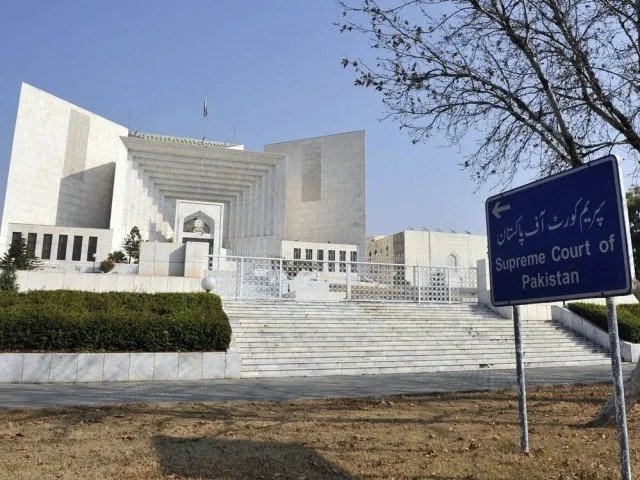
Under the amendments approved on November 13, a new Federal Constitutional Court (FCC) has been endowed with jurisdiction over constitutional matters, superseding the previous authority of the Supreme Court, which will now only handle civil and criminal cases.
“These modifications, taken collectively, threaten to subject the judiciary to political influence and executive control. Neither the executive nor the legislative should have the power to control or guide the judiciary, and the judiciary must be shielded from political pressures in its decision-making,” Turk emphasized.
“A fundamental indicator of judicial independence is a tribunal’s protection from political interference by the Government. If judges lack independence, they often struggle to enforce the law impartially and to uphold human rights against political coercion,” he added.
Pakistani President Asif Ali Zardari ratified the 27th Constitutional Amendment Bill on November 13, following its passage in both houses of Parliament. With this endorsement, the bill is now integrated into Pakistan's Constitution. The amendment offers lifelong immunity to the President, the Field Marshal, the Marshal of the Air Force, and the Admiral of the Fleet from criminal charges and arrest, as stated in the announcement.
Turk remarked: “Extensive immunity provisions like these erode accountability, which is a cornerstone of the human rights framework and democratic control over the armed forces under the rule of law.”
“I am concerned that these amendments pose serious threats to the principles of democracy and the rule of law that the Pakistani people cherish,” he added.
Point of View
I firmly believe that the legal community's concerns regarding the recent Constitutional Amendments in Pakistan warrant serious attention. Upholding the rule of law and ensuring judicial independence are paramount to a functioning democracy. The voices of lawyers advocating for these principles are essential in safeguarding the rights of all citizens.
NationPress
07/12/2025
Frequently Asked Questions
What are the 26th and 27th Constitutional Amendments?
The 26th and 27th Constitutional Amendments are recent changes to Pakistan's Constitution, which have raised concerns over judicial independence and the establishment of a Federal Constitutional Court.
Why are lawyers opposing these amendments?
Lawyers are opposing these amendments because they believe they undermine the judiciary's independence and threaten the rule of law in Pakistan.
What demands were made during the lawyers' convention?
The convention demanded the return of missing persons and the release of political leaders arrested on alleged false charges.
What did the UN High Commissioner for Human Rights say?
The UN High Commissioner expressed concerns that the amendments contradict the separation of powers necessary for protecting human rights.
What are the implications of the Federal Constitutional Court?
The Federal Constitutional Court is expected to have authority over constitutional matters, potentially undermining the Supreme Court's previous jurisdiction.