Iran-US Strait of Hormuz conflict reignites as 'Project Freedom' sparks missile and drone exchanges
Key Takeaways
PLEASE SEE FINAL ANSWER.
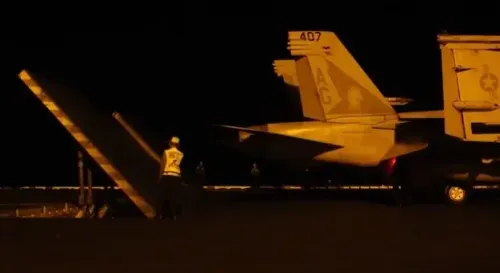
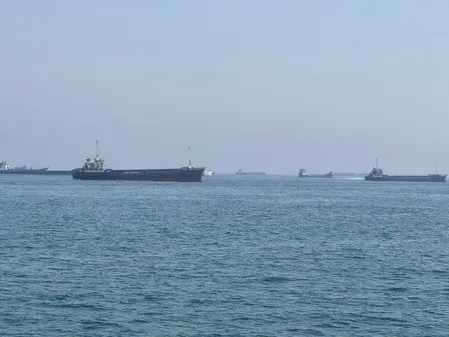
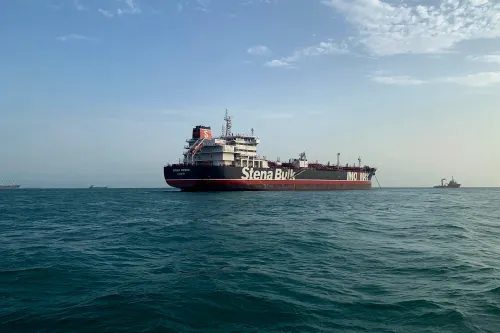
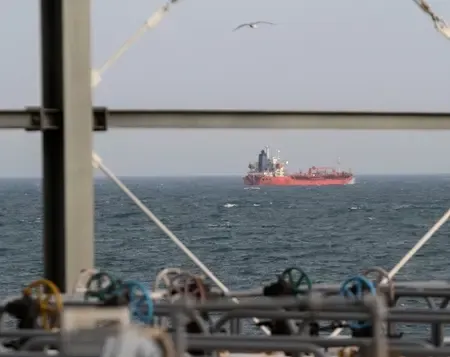
The Iran-US conflict edged dangerously close to full-scale resumption on Monday, 5 May, as Washington's 'Project Freedom' initiative to unblock ships stranded in the Strait of Hormuz triggered a fresh wave of missile and drone exchanges between the two sides. Tehran also struck neighbouring countries, widening the theatre of the confrontation beyond the Strait.
What Happened in the Strait
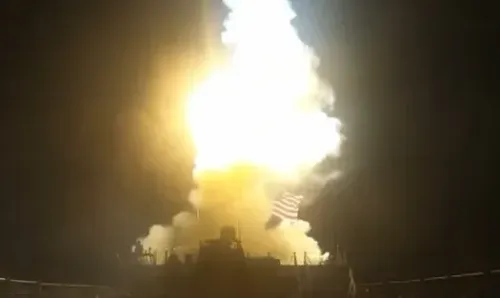
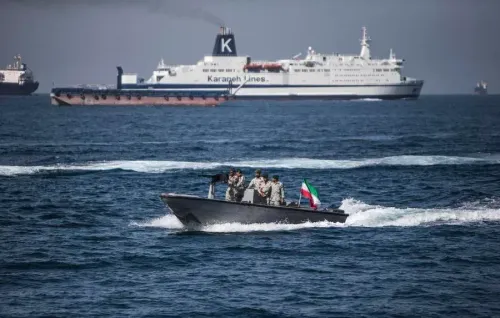
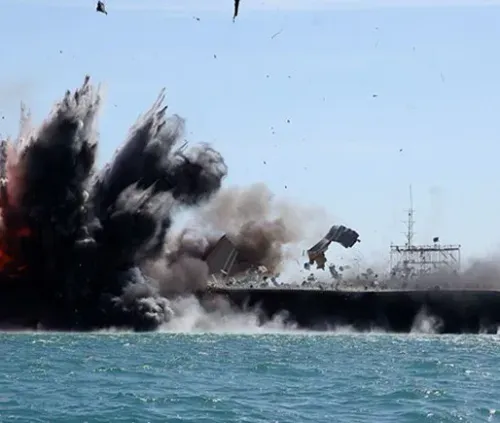
US Central Command (CENTCOM) Chief, Admiral Brad Cooper, said on Monday that Iran launched a barrage of cruise missiles and drones at ships in the Strait of Hormuz, and the US Navy retaliated by shooting them down. He added that six Iranian speedboats that threatened commercial vessels were also taken out. Despite the intensity of the exchange, US President Donald Trump stated on Truth Social that only one ship — a South Korean vessel — came under Iranian attack, and that no other ships were damaged.
Iran Strikes Neighbours
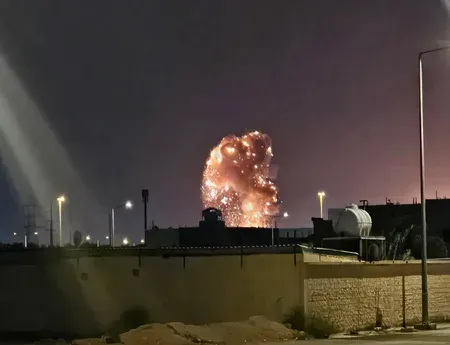
Beyond the Strait, Iran appeared to have resumed attacks on regional neighbours. The United Arab Emirates reported that its Fujairah Oil Industry Zone was struck by Iranian drones, with its Defence Ministry confirming it was actively fending off drones and missiles. Oman's state news agency ONA reported that a housing complex near the Strait was hit, injuring two expatriates whose nationalities were not disclosed. The pattern suggests Tehran may be deliberately targeting neighbouring states rather than engaging the US directly — a strategic shift that analysts say could be designed to raise regional pressure without triggering a formal US military response.
Duelling Claims and Denials
An official Iranian statement quoted by state broadcaster PressTV said Tehran had sent missiles and drones