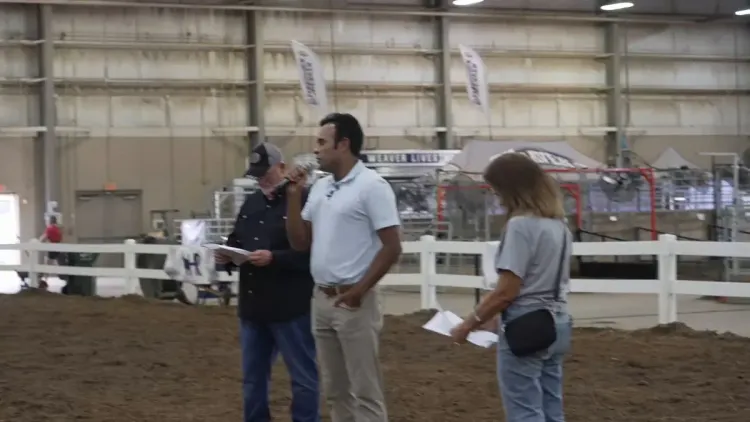
Vivek Ramaswamy Champions 4-H and FFA at State Fair Steer Show
Synopsis
Entrepreneur Vivek Ramaswamy attended a state fair steer show and reaffirmed backing for 4-H and FFA, two flagship US youth agricultural programs seen as critical pipelines for rural workforce development amid growing farm-sector labor gaps.
Key Takeaways
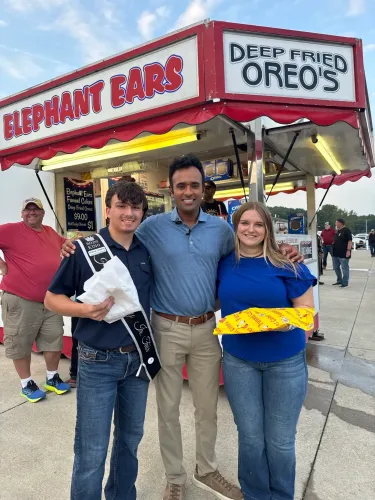
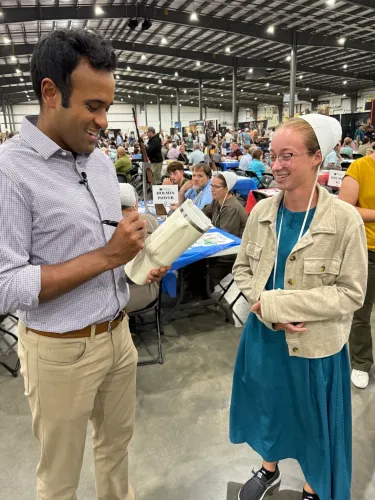
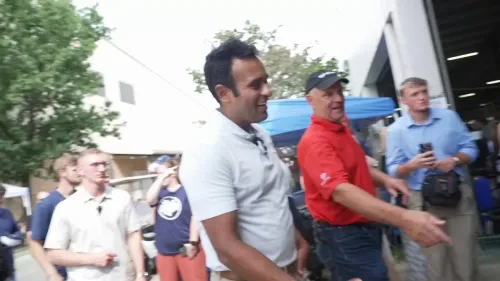
Entrepreneur Vivek Ramaswamy kicked off the annual steer show at a state fair, engaging directly with rural agricultural communities.
4-H is the largest US youth development organization, with strong programming in agriculture, science, and leadership.
The National FFA Organization (FFA) runs career and technical education pathways in agricultural high schools across the country.
Both 4-H and FFA have historically received bipartisan political support as workforce pipelines into farming and agribusiness.
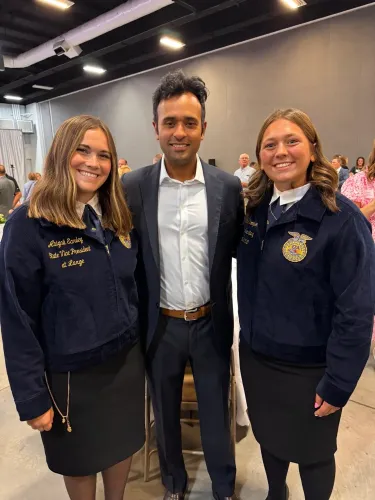
Ramaswamy pledged to 'continually back' both programs to steer young people into agricultural careers.
The appearance fits a broader pattern of political figures using state fairs to signal alignment with rural voters and vocational education priorities.
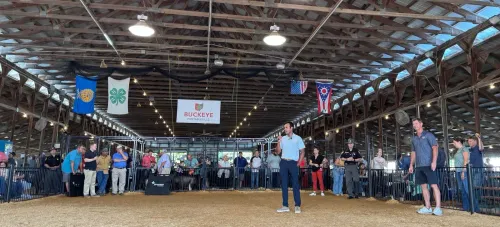
At a state fair steer show, entrepreneur Vivek Ramaswamy stepped into an arena that has long served as a proving ground for rural America — and used the moment to reaffirm his commitment to the agricultural pipeline that feeds the nation's farms and agribusinesses.
A stage where politics meets the pasture
State fairs have functioned for generations as the rare political venue where handshakes happen over livestock pens rather than podiums. Ramaswamy's appearance at the annual steer show follows a well-worn but genuinely effective tradition: show up where rural voters live, work, and compete. The steer show — a cornerstone of youth agricultural exhibitions — draws participants from 4-H and the National FFA Organization, two institutions that have enjoyed bipartisan backing for decades precisely because they deliver measurable results: young people who go on to careers in farming, veterinary science, agribusiness, and food supply chain management.
Why 4-H and FFA matter to the rural workforce
4-H, the US's largest youth development organization, runs hands-on programs in agriculture, science, and leadership, reaching millions of young Americans through county extension offices. FFA — formally the National FFA Organization — operates as a career and technical student organization embedded within high school agricultural education programs, providing structured pathways from classroom to career. Together, they represent the primary institutional bridge between rural youth and professional agricultural careers at a time when the average age of the American farmer continues to rise and workforce gaps in the sector grow wider.
Ramaswamy's stated commitment to 'continually backing' both programs signals an intent to keep agricultural vocational training on the policy agenda — a priority that resonates far beyond any single state fair appearance.
Vocational agriculture as a political signal
The choice to highlight 4-H and FFA is not accidental. In an era when debates over higher education costs and workforce readiness dominate policy conversations, agricultural vocational programs offer a concrete, cost-effective counter-narrative: structured, employer-aligned training that does not require a four-year degree. For a figure like Ramaswamy — who has consistently framed his public positioning around economic productivity and institutional reform — endorsing these programs fits a coherent argument about where American workforce investment should flow.
The steer show moment is small in scale. The policy argument it points toward is considerably larger.
Point of View
But the policy substance behind it — sustained institutional support for 4-H and FFA — taps into a genuine and growing concern: the aging American farm workforce and the absence of structured vocational pipelines to replace it. By framing agricultural education as a workforce and economic productivity issue rather than a purely cultural one, he positions himself within a strand of Republican thinking that favors vocational alternatives to four-year college. Whether this translates into concrete legislative or funding commitments will determine if the optics carry any lasting policy weight.
NationPress
23 Sept 2026
Frequently Asked Questions
What are 4-H and FFA programs in the United States?
4-H is the largest US youth development organization, offering hands-on programs in agriculture, science, and leadership. FFA (National FFA Organization) is a career and technical student group embedded in high school agricultural education, providing structured pathways into farming and agribusiness careers.
Why did Vivek Ramaswamy attend a state fair steer show?
Ramaswamy attended the annual steer show to engage with rural agricultural communities and reaffirm his commitment to supporting 4-H and FFA programs that channel young people into agricultural careers.
What is the significance of state fairs for US politicians?
State fairs are traditional venues where politicians connect with rural voters in an informal setting. They serve as platforms to highlight agricultural traditions, vocational programs, and rural workforce issues in front of engaged local audiences.
Why are 4-H and FFA considered important for the US agricultural workforce?
The average age of American farmers is rising and workforce gaps in agriculture are widening. 4-H and FFA provide structured, cost-effective vocational pathways that prepare young people for agricultural careers without requiring a four-year college degree.
Does Vivek Ramaswamy have a history of supporting agricultural education?
Ramaswamy's public statements have consistently emphasized workforce productivity and alternatives to traditional higher education. His endorsement of 4-H and FFA aligns with that broader framing, though specific prior legislative or funding actions on agricultural education are not detailed in available records.