Ramaswamy: 18-Year-Olds Deserve Full Gun Rights
Synopsis
Vivek Ramaswamy argues that the right to vote and serve in the military at 18 must logically extend to Second Amendment rights, reigniting a long-running constitutional debate sharpened by post-Parkland age-restriction laws and pending Supreme Court scrutiny.
Key Takeaways
Entrepreneur Vivek Ramaswamy posted on 20 October 2026 that adults old enough to vote and serve in the military should have full Second Amendment rights.
The Gun Control Act of 1968 already permits 18-year-olds to buy long guns from licensed dealers but requires buyers to be 21 for handguns.
The 26th Amendment (1971) lowered the voting age to 18 partly on the argument that military-age conscripts deserved suffrage — the same logical bridge Ramaswamy invokes.
Several US states raised their minimum firearm purchase age to 21 after the 2018 Parkland shooting , triggering ongoing constitutional litigation.
The Supreme Court's 2022 Bruen ruling created a new Second Amendment test, generating circuit-court splits on age restrictions that may require high-court resolution.
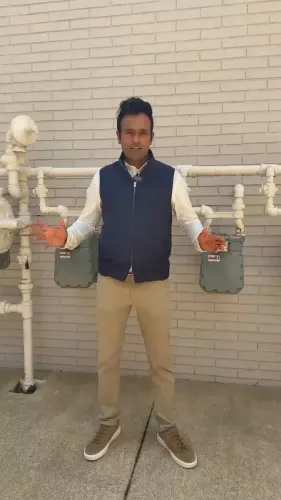
If the law trusts an 18-year-old to cast a ballot and pick up a rifle in uniform, entrepreneur Vivek Ramaswamy argues it should trust that same person with Second Amendment rights — no asterisk, no waiting until 21. The former co-lead of the US Department of Government Efficiency (DOGE) advisory effort posted the argument on X on Tuesday, 20 October 2026, framing it as a matter of logical consistency rather than partisan debate.
The 18-vs-21 fault line in American gun law
The tension Ramaswamy is pointing to is real and decades old. The Gun Control Act of 1968 created a split-age framework: federally licensed dealers may sell long guns — rifles and shotguns — to buyers who are 18, but must require buyers to be 21 for handgun purchases. That asymmetry has sat uneasily alongside the 26th Amendment, ratified in 1971, which itself was shaped by a parallel argument: that young men being conscripted to fight in Vietnam deserved the vote at the same age they were drafted.
Ramaswamy's post revives exactly that logic, flipping the direction. If the Vietnam-era Congress found the military-service-to-suffrage link compelling enough to amend the Constitution, his argument runs, the same link should extend to firearms.
How Parkland reshaped the age debate
The post lands in a legal and political landscape that has been actively contested since the February 2018 Parkland school shooting in Florida. In the aftermath, several states moved to raise the minimum purchase age for all firearms — including long guns — to 21. Those laws have faced constitutional challenges, with litigants arguing that the post-Bruen (the Supreme Court's landmark 2022 Second Amendment ruling) framework does not support stripping adults aged 18 to 20 of a constitutional right the court has described as fundamental.
Ramaswamy, who ran for the Republican presidential nomination in 2024 on a platform of constitutional originalism and reduced federal bureaucracy, has consistently positioned Second Amendment rights as non-negotiable. His framing here — 'This shouldn't be controversial' — is a deliberate rhetorical move: casting an advocate's position as common sense rather than ideology.
Where the legal battle stands
The courts remain the active front. Federal circuit courts have issued conflicting rulings on whether age-21 purchase restrictions survive the Bruen standard, setting up the kind of circuit split that invites Supreme Court review. Any new federal proposal to extend the 21-year minimum to long guns — a measure that has surfaced in congressional debates since Parkland — would almost certainly face immediate constitutional challenge using precisely the rights-alignment argument Ramaswamy is amplifying.
For now, the post is a data point in a larger pressure campaign: keep the age-rights consistency argument in public circulation as courts and Congress weigh what the Second Amendment permits and what it forbids.
Point of View
He frames any age-based firearm restriction as constitutionally inconsistent rather than merely politically inconvenient. The timing matters — circuit courts are actively wrestling with post-Bruen age-restriction cases, and public opinion on the 18-vs-21 question remains genuinely divided. For the broader Republican coalition, the 'rights alignment' frame is a way to hold the base while appealing to young adults who may chafe at a paternalistic carve-out. Expect this argument to resurface in any legislative or judicial moment that puts firearm age minimums back in the spotlight.
NationPress
20 Oct 2026
Frequently Asked Questions
What is Vivek Ramaswamy's argument about Second Amendment rights and age?
Ramaswamy argues that if US law trusts 18-year-olds to vote and serve in the military, it should also grant them full Second Amendment firearm rights — challenging the existing federal rule that sets the handgun purchase age at 21.
What does US federal law currently say about the minimum age to buy a gun?
Under the Gun Control Act of 1968, federally licensed dealers may sell long guns (rifles and shotguns) to buyers aged 18, but must require buyers to be at least 21 to purchase handguns.
Why did some US states raise the gun purchase age to 21 after Parkland?
Following the February 2018 Parkland school shooting, several states passed laws raising the minimum purchase age for all firearms to 21 in an effort to reduce gun violence among young adults; those laws have since faced constitutional challenges in federal courts.
How does the 26th Amendment relate to the gun-rights age debate?
The 26th Amendment, ratified in 1971, lowered the US voting age to 18 partly because military-age men were being drafted to fight in Vietnam; Ramaswamy uses the same military-service logic to argue that the same adults should have Second Amendment rights.
Could the Supreme Court rule on minimum age for gun purchases?
Yes — conflicting rulings from different federal circuit courts on whether age-21 purchase laws survive the Supreme Court's 2022 Bruen standard have created a circuit split that could prompt the court to take up the question.