South Korea heat wave: Govt steps up protection for migrant workers, livestock

Synopsis
South Korea's heat wave death toll is exposing a systemic gap: migrant farmworkers, cut off by language barriers, are among the most exposed and least protected. With 3,090 heat illness cases logged and three more deaths on Sunday alone — and temperatures set to stay near 35°C — the government's 18-language manual push and ministry-level emergency escalation signal that this is no longer a routine weather response.
Key Takeaways
The Central Disaster and Safety Countermeasures Headquarters convened an emergency meeting on 9 August to strengthen heat wave protections for vulnerable workers and livestock.
Heat-related fatalities involving foreign workers were recorded in Haenam (South Jeolla Province) and Hongseong (South Chungcheong Province).
Officials distributed heat stroke prevention manuals translated into 18 languages to address language barriers faced by migrant farmworkers.
Cumulative heat-related illness cases reached 3,090 , with 203 new cases and 3 deaths reported on Sunday alone.
The Korea Meteorological Administration forecasts daily highs near 35°C to persist across most of South Korea.
The labour ministry will conduct intensive workplace inspections through Friday , enforcing mandatory stoppages at peak temperatures.
The South Korean government on Sunday, 9 August intensified its emergency response to an ongoing heat wave, calling for stronger safeguards for vulnerable outdoor workers — particularly migrant farmhands — and livestock, even as the country's highest-level heat wave warnings were lifted nationwide. The directive came out of a high-level coordination meeting convened by the Central Disaster and Safety Countermeasures Headquarters in Seoul.
Key Developments
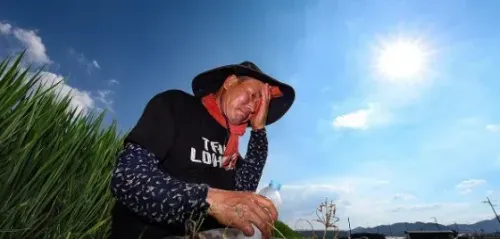
Kim Kwang-yong, chief of the Central Disaster and Safety Countermeasures Headquarters, travelled to Yesan county, approximately 100 kilometres south of Seoul, to personally inspect working conditions for foreign seasonal farmers. His visit followed heat-related fatalities involving foreign workers in Haenam, South Jeolla Province, and Hongseong, South Chungcheong Province.
Kim urged farm owners to ensure adequate water, shade, and rest periods for their workers, citing language barriers that leave migrant labourers in safety blind spots. Officials distributed heat stroke prevention manuals translated into 18 languages, along with cooling supplies. Kim also inspected ventilation and cooling systems at local swine farms.
Government Ministries Raise Alert Levels
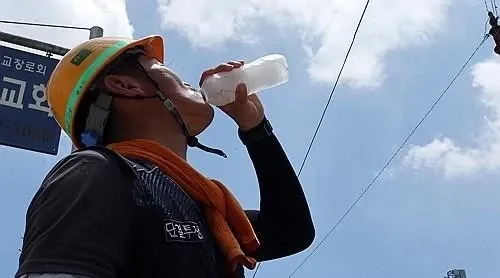
Multiple ministries escalated their emergency protocols following the coordination meeting. The agriculture ministry upgraded its disaster situation room to a full emergency response headquarters and deployed drone and vehicle patrols across farms. The health ministry established a 24-hour emergency response team to monitor at-risk elderly citizens. The labour ministry announced plans for an intensive inspection of heat-vulnerable workplaces — including construction sites — through Friday, with mandatory work stoppages to be enforced during peak temperature hours.
Heat Toll and Conditions
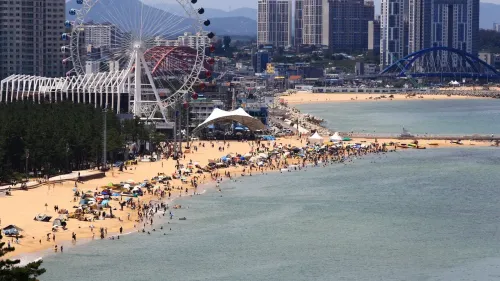
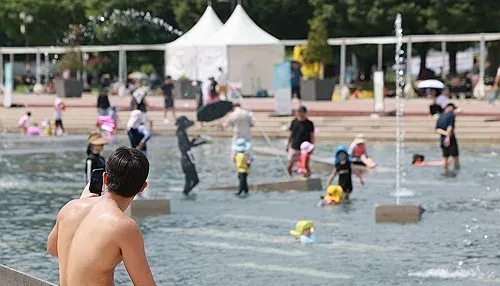
Despite the lifting of the highest-level heat wave warning on Sunday, temperatures in several regions continued to peak near 35°C. The Korea Disease Control and Prevention Agency reported 203 additional heat-related illness cases on Sunday alone, bringing the cumulative total to 3,090. Three more deaths linked to heat-related illnesses were recorded on the same day. The Korea Meteorological Administration predicted daily highs will remain around 35°C across most of the country for the foreseeable future.
Migrant Worker Vulnerability in Focus
This is not the first time South Korea's agricultural sector has faced scrutiny over the safety of its foreign seasonal workforce during extreme weather. Migrant workers — many from Southeast Asia — often lack fluency in Korean, limiting their access to safety advisories and their ability to report distress. The fatalities in Haenam and Hongseong have sharpened that concern, prompting the government to go beyond general advisories and mandate direct outreach in workers' native languages. This comes amid broader international attention on heat-related labour risks as climate patterns intensify across East Asia.
What Happens Next
The labour ministry's inspection drive through Friday will determine whether enforcement actions — including fines or work stoppages — are issued at non-compliant sites. With temperatures forecast to remain elevated, authorities are expected to maintain heightened protocols even without the top-tier warning in effect. The government's response will be closely watched as a benchmark for how South Korea manages climate-driven occupational health risks going forward.
Point of View
South Korea's treatment of its foreign seasonal workforce will be a recurring test — and this summer's record suggests it is not yet passing it.
NationPress
23 Sept 2026
Frequently Asked Questions
Why is South Korea's government focusing on migrant workers during the heat wave?
Migrant farmworkers face language barriers that limit their access to safety advisories, placing them in what officials describe as 'safety blind spots.' Heat-related fatalities involving foreign workers in Haenam and Hongseong prompted the government to mandate direct outreach, including manuals in 18 languages and on-site inspections.
How many heat-related illness cases have been recorded in South Korea?
As of Sunday, 9 August, the Korea Disease Control and Prevention Agency had recorded a cumulative total of 3,090 heat-related illness cases, with 203 additional cases reported on Sunday alone and three more deaths linked to the heat.
Has the heat wave warning been lifted in South Korea?
The highest-level heat wave warning was lifted nationwide on Sunday, but temperatures in several regions still peaked near 35°C. The Korea Meteorological Administration forecast that daily highs will remain around 35°C across most of the country for the foreseeable future.
What measures are South Korean ministries taking to protect workers?
The agriculture ministry upgraded its disaster situation room and launched drone and vehicle patrols across farms. The health ministry set up a 24-hour team to monitor elderly citizens. The labour ministry plans intensive inspections of heat-vulnerable workplaces through Friday, with mandatory work stoppages during peak temperature hours.
Where did heat-related worker fatalities occur in South Korea?
Heat-related deaths involving foreign workers were reported in Haenam in South Jeolla Province and Hongseong in South Chungcheong Province. These incidents prompted the headquarters chief to personally visit Yesan county to inspect conditions for foreign seasonal farmers.