Trump Addresses Faith & Freedom Coalition 2026 Policy Conference
Synopsis
President Trump delivered remarks at the Faith & Freedom Coalition's 2026 Policy Conference on June 26, continuing the administration's direct engagement with evangelical and socially conservative constituencies on issues of religious liberty, family policy, and faith-based governance.
Key Takeaways
President Trump addressed the Faith & Freedom Coalition's 2026 Policy Conference on June 26, 2026 .
The Faith & Freedom Coalition , founded in 2009 , is a leading conservative Christian advocacy organisation holding annual policy conferences.
During his first term, Trump established the White House Faith and Opportunity Initiative in 2017 to deepen federal ties with faith-based groups.
The 2018 conscience protection rules expanded religious exemptions for healthcare workers and employers, a key policy win for the coalition.
Potential legislative follow-through includes school choice legislation and updates to federal conscience regulations.
Evangelical Christians and faith-based nonprofits are the primary stakeholders watching for policy signals from this address.
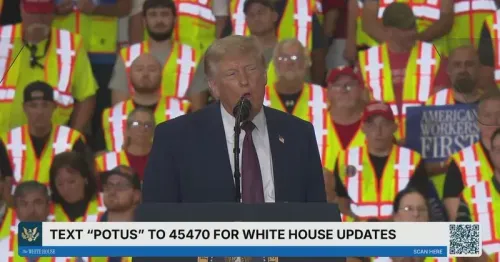
President Donald Trump delivered remarks at the Faith & Freedom Coalition's 2026 Policy Conference on Friday, June 26, 2026, addressing one of the most prominent conservative Christian advocacy gatherings in the United States. The White House announced the address via its official communications channel, underscoring the administration's continued engagement with faith-based constituencies.
Context
The Faith & Freedom Coalition, founded in 2009, holds an annual policy conference that draws evangelical Christians, clergy, and conservative activists from across the country. The organisation has long served as a key platform for Republican leaders to articulate positions on religious liberty, family policy, and social conservative priorities. Trump's appearance continues a well-documented pattern of direct outreach to this constituency, which formed a significant pillar of his electoral coalition.
The coalition's conferences typically feature discussions on federal legislation, judicial appointments, and regulatory policy affecting faith communities. Addresses by sitting presidents or senior administration officials carry particular weight, often signalling legislative or regulatory priorities in the months ahead.
Policy Backdrop
During his first term, Trump issued an executive order establishing the White House Faith and Opportunity Initiative in 2017, designed to expand federal partnerships with faith-based organisations. The following year, in 2018, his administration finalised rules broadening conscience protections for healthcare workers and religious employers, particularly around abortion and contraception mandates — moves that were cheered by the coalition and its member organisations.
These actions established a policy lineage that the current administration is expected to build upon. Evangelical and socially conservative groups have consistently prioritised school choice, religious exemptions in federal contracting, and protections for faith-based social service providers as top legislative asks.
Stakeholders and Impact
The primary stakeholders in this engagement are evangelical Christians and faith-based organisations that operate schools, hospitals, adoption agencies, and social welfare programmes across the United States. Policy signals from such a conference can influence how federal agencies interpret conscience protection rules, grant eligibility for religious nonprofits, and the administration's posture on school choice legislation currently moving through Congress.
For Indian-American communities with ties to religious-freedom advocacy or faith-based charitable work in the US, the administration's direction on these issues carries practical implications, particularly for organisations navigating federal funding and compliance requirements.
What's Next
Observers will watch for any legislative follow-through, particularly around school choice proposals or updates to federal conscience regulations, which administration officials have previously signalled as priorities. Congressional committees dealing with education and health policy are likely to receive renewed attention in the weeks following the conference.
The Faith & Freedom Coalition typically publishes policy recommendations following its annual gathering, and any alignment between those recommendations and forthcoming White House executive actions will be closely tracked by both supporters and critics of faith-based policy initiatives.
Point of View
Signals from such addresses have preceded executive action on conscience protections and school choice — two issues where the coalition wields considerable grassroots pressure on Congress. Watching whether concrete policy announcements follow will be the true test of this conference's political significance.
NationPress
27 Jun 2026
Frequently Asked Questions
What did Trump say at the Faith and Freedom Coalition 2026 conference?
The specific content of President Trump's remarks at the Faith & Freedom Coalition's 2026 Policy Conference has not yet been detailed in official readouts. The White House confirmed he delivered remarks at the event on June 26, 2026.
What is the Faith and Freedom Coalition?
The Faith & Freedom Coalition is a conservative Christian advocacy organisation founded in 2009. It holds annual policy conferences focused on religious liberty, family values, school choice, and life issues, and has been a key mobilising force for evangelical voters in US elections.
Why does Trump address the Faith and Freedom Coalition?
Trump has consistently engaged the Faith & Freedom Coalition because evangelical Christians formed a core part of his electoral base. The coalition's policy priorities — religious exemptions, school choice, and conscience protections — align closely with actions taken during his first term.
What policies has Trump enacted for faith-based groups?
During his first term, Trump issued an executive order in 2017 creating the White House Faith and Opportunity Initiative and in 2018 finalised rules expanding conscience protections for healthcare workers and religious employers regarding abortion and contraception mandates.
What could follow Trump's 2026 Faith and Freedom Coalition speech?
Policy watchers expect potential movement on school choice legislation and updated federal conscience regulations, both of which are longstanding priorities for the Faith & Freedom Coalition and its member organisations.