Trump Endorses Capito, Miller, Riley Moore in West Virginia
Synopsis
US President Donald Trump has issued a sweeping endorsement of three West Virginia Republicans — Shelley Moore Capito for Senate, Carol Miller for WV-01, and Riley Moore for WV-02 — urging voters to turn out in the 2026 federal elections.
Key Takeaways
Donald Trump issued his 'Complete and Total Endorsement' for three West Virginia Republican candidates on October 23, 2026 .
Shelley Moore Capito , first elected to the U.S.
Senate in 2014 , is backed for re-election to the Senate.
Carol Miller is endorsed for the West Virginia 1st congressional district House seat.
Riley Moore is backed for the West Virginia 2nd congressional district House seat.
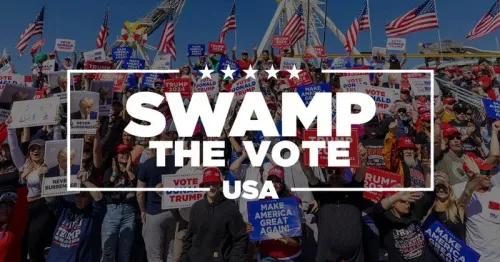
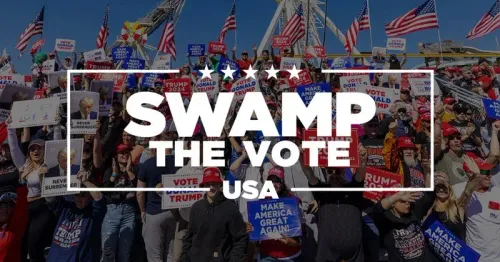
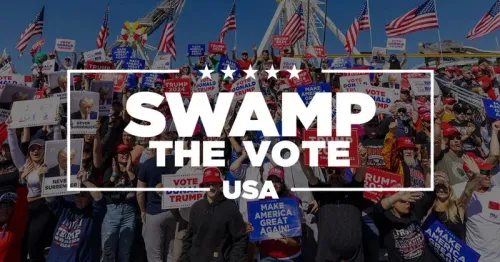
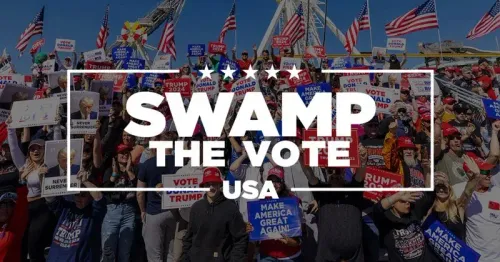
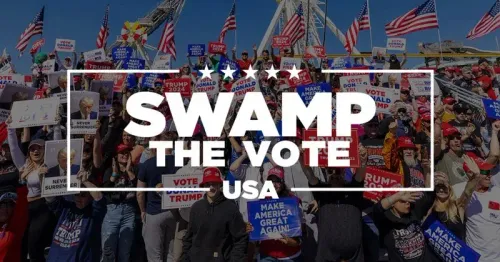
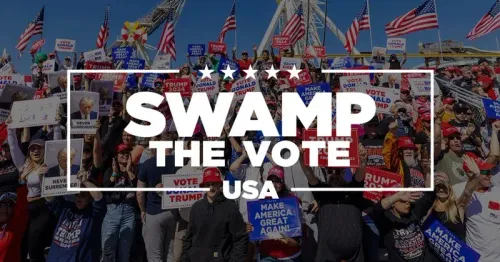
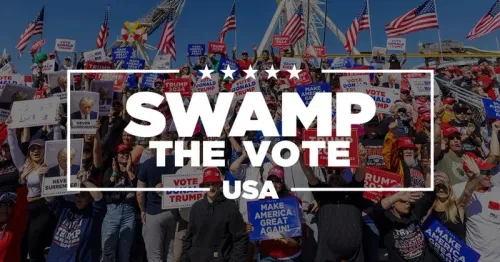
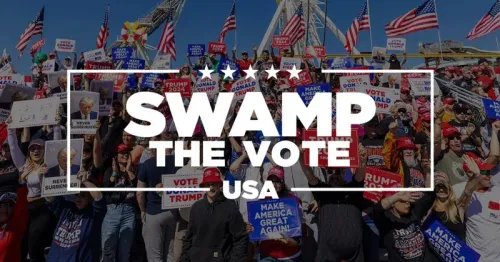
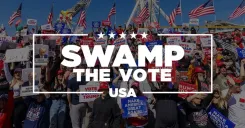
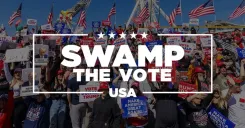
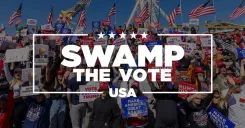
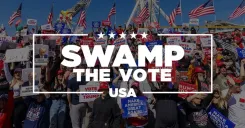
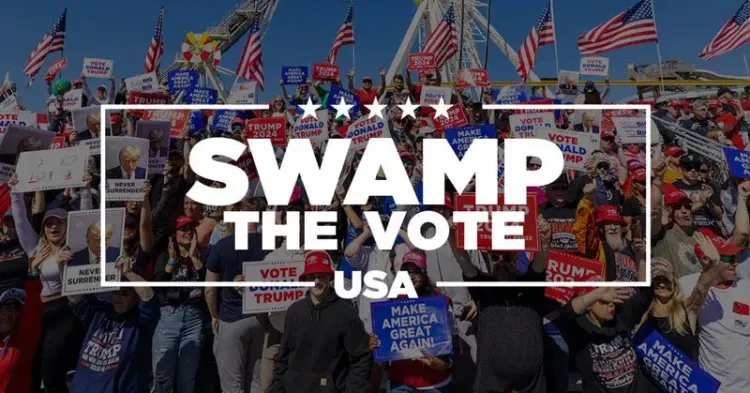
Trump directed voters to swampthevoteusa.com/west-virginia as part of the mobilisation push.
The endorsement continues Trump's established pattern of using social media to shape the Republican congressional caucus.
With congressional seats on the line in West Virginia, US President Donald Trump has thrown his full political weight behind three Republican candidates — calling on voters to show up at the polls in what amounts to a direct command from the party's most powerful endorser.
In a post on X on Friday, October 23, 2026, Trump named Shelley Moore Capito for the U.S. Senate, Carol Miller for Congress in West Virginia's 1st district, and Riley Moore for Congress in West Virginia's 2nd district as recipients of his 'Complete and Total Endorsement.' The message left no ambiguity: 'These Great Patriots have my Complete and Total Endorsement — They will never let you down!'
Capito, Miller, and Riley Moore: the three names Trump is betting on
Shelley Moore Capito is a seasoned Republican fixture in the state — first elected to the U.S. Senate in 2014, she has been a reliable ally for the GOP's federal agenda. Carol Miller represents West Virginia's 1st congressional district in the House and is seeking continued support from the state's Republican base. Riley Moore, running in the 2nd congressional district, rounds out what Trump is positioning as a unified West Virginia Republican slate.
West Virginia is among the most reliably Republican states in the country, and Trump's endorsement carries particular weight in a state where he has dominated presidential vote tallies. A Trump stamp of approval here is less a persuasion tool and more a mobilisation signal — a call to the base to turn out and deliver.
A playbook Trump has run before
This is not new territory for the President. Trump deployed near-identical endorsement language for West Virginia Republicans ahead of the 2020 federal elections, and his social-media backing has become a standard feature of Republican primary and general-election cycles across multiple states. The formula — direct address to 'the great people' of a state, named candidates, a loyalty pledge — is deliberate and consistent.
Beyond West Virginia, the broader pattern is about Congress. Each endorsement is a vote cast, in effect, for the shape of the Republican caucus on Capitol Hill — ensuring that the lawmakers who arrive in Washington share the President's priorities and owe a measure of their political fortunes to his backing.
West Virginia's 2026 congressional results will signal how effectively Trump's social-media megaphone still converts into votes — and whether his endorsed slate can hold and expand the GOP's grip on a state it has made its own.
Point of View
Miller, and Riley Moore, the endorsement is both an asset and an obligation: it energises the base but anchors them to Trump's agenda. Cumulatively, these state-by-state interventions are how Trump is engineering a Congress aligned to his second-term priorities, making the 2026 midterm results a referendum on how far that influence still travels.
NationPress
23 Oct 2026
Frequently Asked Questions
Who has Trump endorsed in West Virginia for 2026?
Trump has endorsed Shelley Moore Capito for the U.S. Senate, Carol Miller for West Virginia's 1st congressional district, and Riley Moore for West Virginia's 2nd congressional district.
Who is Shelley Moore Capito?
Shelley Moore Capito is the incumbent Republican U.S. Senator from West Virginia, first elected to the Senate in 2014 .
Why does Trump's endorsement matter in West Virginia?
West Virginia is a strongly Republican state where Trump has historically dominated, making his endorsement a powerful mobilisation tool for the base rather than a persuasion exercise.
What is swampthevoteusa.com?
Trump linked to swampthevoteusa.com/west-virginia in his post as a voter-mobilisation resource for West Virginia Republicans backing his endorsed candidates.
Has Trump endorsed West Virginia Republicans before?
Yes — Trump issued similar endorsements for West Virginia Republican candidates ahead of the 2020 federal elections, making this part of a consistent cross-cycle strategy.