Trump Pays Tribute to Theodore Roosevelt in Heartland Visit
Synopsis
President Donald Trump travelled to the American heartland on July 2, 2026, to honour Theodore Roosevelt, calling him a man who embodied the heart, soul, fight, and spirit of the United States more than almost anyone in history.
Key Takeaways
President Trump visited the American heartland on July 2, 2026 to pay tribute to Theodore Roosevelt .
Trump described Roosevelt as embodying the 'heart, soul, fight, and spirit' of the United States.
The remarks were officially shared by the White House on its communications channels.
Theodore Roosevelt served as the 26th US President from 1901 to 1909 and is associated with trust-busting, conservation, and assertive foreign policy.
The visit comes days before Independence Day on July 4 , as part of a broader patriotic messaging push.
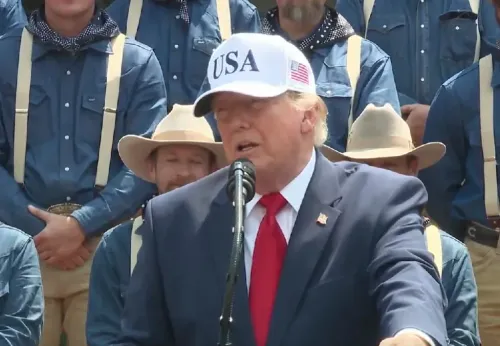
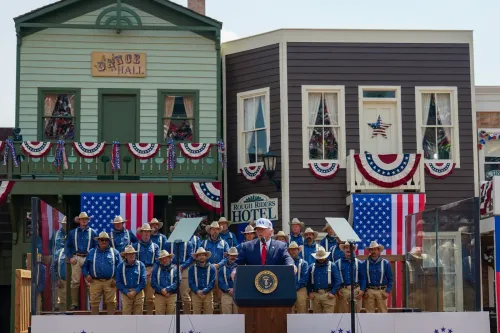
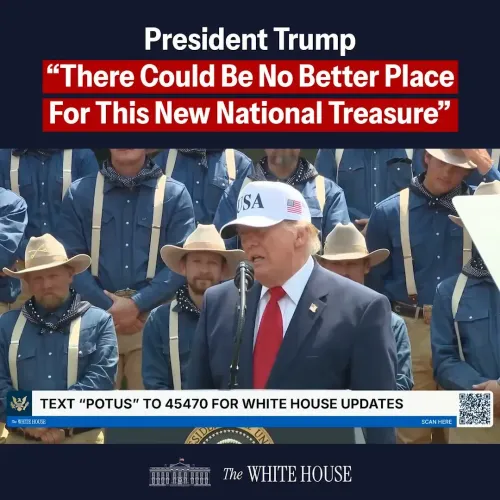
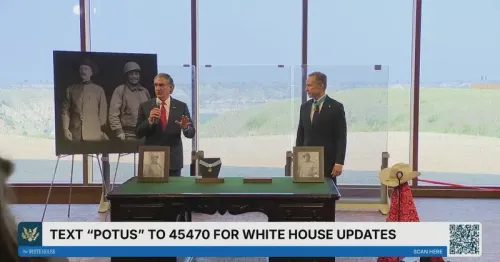
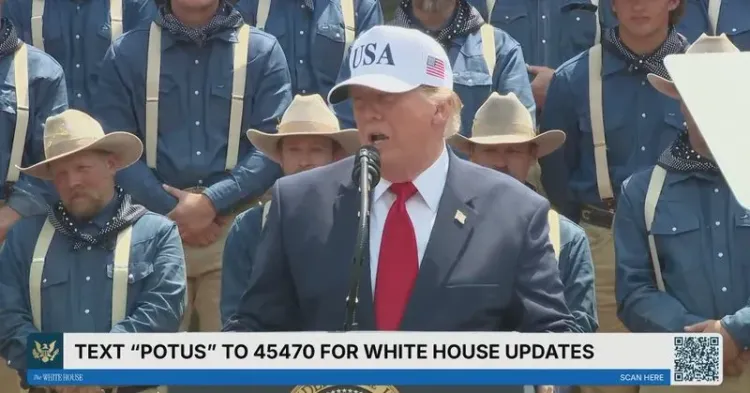
The White House shared remarks by President Donald J. Trump on Wednesday, July 2, 2026, as he travelled to the American heartland to honour President Theodore Roosevelt, calling him a man who embodied the 'heart, soul, fight, and spirit' of the United States.
Context
Speaking at an event in what the White House described as 'the heartland of America,' President Trump offered an expansive tribute to Theodore Roosevelt, the 26th President of the United States, who served from 1901 to 1909. Trump declared Roosevelt embodied those qualities 'as much as anyone who ever lived,' placing him among the most consequential figures in American history.
The remarks were shared officially through the White House's communications channels, signalling a deliberate invocation of Roosevelt's legacy as a touchstone for the current administration's identity and values.
Policy Backdrop
Theodore Roosevelt is historically associated with the 'Square Deal' domestic programme, aggressive trust-busting of industrial monopolies, conservation of natural resources, and an assertive American foreign policy symbolised by the phrase 'speak softly and carry a big stick.' His tenure marked a turning point in the federal government's role in regulating the economy and protecting public lands.
Roosevelt is also celebrated for his personal vigour and nationalism — qualities that successive American presidents, across party lines, have frequently invoked. His image is among the four carved into Mount Rushmore in South Dakota, one of the most iconic monuments in the American heartland.
Stakeholders and Impact
The tribute carries symbolic weight both domestically and internationally. For American audiences, invoking Roosevelt connects the current presidency to a tradition of muscular, reform-minded leadership. For observers in India and globally, the gesture underscores how the Trump administration frames its political identity through historical American archetypes.
The visit to the heartland — a term broadly associated with the Midwest and rural United States — also carries electoral and cultural resonance, reinforcing the administration's connection to working-class and rural constituencies that have historically been central to Republican electoral coalitions.
What's Next
The White House has not detailed further events tied to this visit, but the timing — shortly before Independence Day on July 4 — suggests the tribute is part of a broader patriotic messaging campaign ahead of the national holiday. How the administration translates Roosevelt's legacy into specific policy positions or legislative priorities remains to be seen, but the symbolic alignment with one of America's most celebrated presidents is a clear signal of the political narrative the White House intends to project.
Point of View
Vigour, and reform — is a deliberate act of political branding, aligning his administration with one of America's most mythologised leaders. The heartland setting amplifies the symbolism, reinforcing the administration's rural and working-class identity. Historically, presidents across the political spectrum have claimed Roosevelt's mantle, making the tribute a familiar but potent rhetorical move. The timing ahead of July 4 suggests this is the opening note of a sustained patriotic narrative the White House plans to carry through the Independence Day cycle.
NationPress
30 Sept 2026
Frequently Asked Questions
Why did Trump visit the American heartland on July 2, 2026?
President Trump visited the American heartland to pay tribute to former President Theodore Roosevelt, calling him a man who embodied the heart, soul, fight, and spirit of the United States.
Who was Theodore Roosevelt?
Theodore Roosevelt was the 26th President of the United States, serving from 1901 to 1909. He is known for his trust-busting policies, conservation efforts, and assertive foreign policy, and his image is carved into Mount Rushmore.
What did Trump say about Theodore Roosevelt?
Trump said Roosevelt 'embodied the heart, soul, fight, and spirit' of America 'as much as anyone who ever lived,' placing him among the most significant figures in US history.
What is the significance of Trump honouring Roosevelt before July 4?
The tribute, made days before Independence Day on July 4, 2026, appears to be part of a broader patriotic messaging campaign by the White House ahead of the national holiday.
Where is the American heartland that Trump visited?
The term 'American heartland' broadly refers to the Midwest and rural United States, a region with strong cultural and electoral significance for the Republican Party.