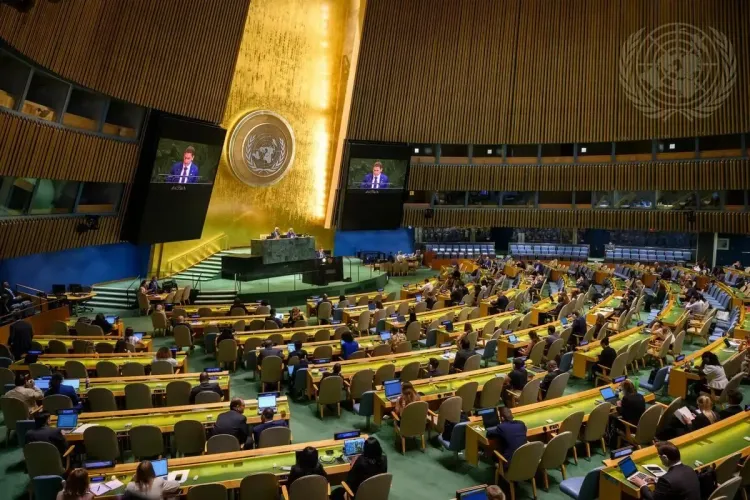
140 world leaders convene at UN General Assembly 2026 amid wars, AI risks
Synopsis
With 140 world leaders in New York, the 2026 UN General Assembly high-level week is the year's most concentrated diplomatic moment — and also its most fraught. Wars in Gaza, Ukraine, and Sudan, plus an AI governance gap and a visa denial for Palestine's president, have made the stakes unusually high. The real diplomacy, as always, will happen in the hallways.
Key Takeaways
140 world leaders and representatives from 53 countries are meeting at the UN General Assembly in New York this week.
The session's theme is 'Restoring trust, managing transformation: A UN that delivers for all' .
PM Narendra Modi , President Xi Jinping , and President Vladimir Putin are absent; EAM S.
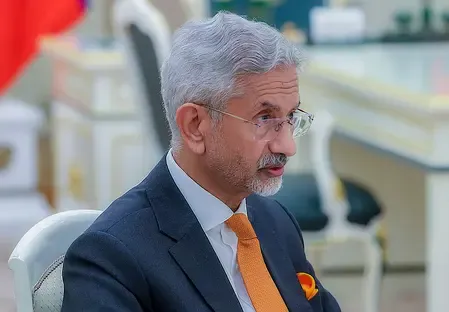
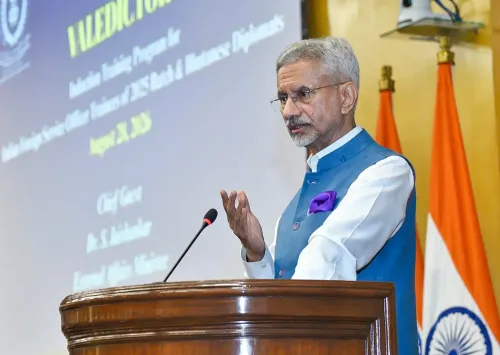
Jaishankar will represent India on Saturday .
Israel's PM Benjamin Netanyahu is set to address the Assembly on Thursday ; the US denied a visa to Palestine's President Mahmoud Abbas .
Iran's President Masoud Pezeshkian will speak a day after Trump, with the Gulf Conflict now in its seventh month .
UN Secretary-General António Guterres credited last year's sideline meetings with producing the peace plan framework for Gaza.
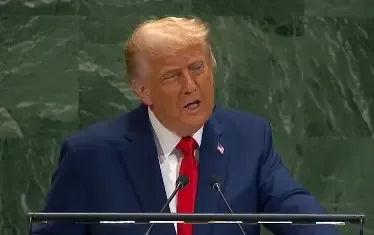
A total of 140 world leaders and representatives from 53 additional countries are gathering at the United Nations General Assembly (UNGA) in New York this week for the annual high-level meeting, with multiple active wars, the climate crisis, and the risks of runaway artificial intelligence casting a long shadow over the session. The week-long diplomatic marathon opened on Tuesday, 23 September, with the traditional first address delivered by Brazil's President Luiz Inácio Lula da Silva, followed by US President Donald Trump.
Key Conflicts Dominating the Agenda
The Gulf Conflict, the Ukraine War now entering its fifth year, the Gaza situation, and the Sudan civil war — described in some quarters as being of genocidal proportions — are expected to dominate the discourse inside the General Assembly chamber. Beyond the battlefield crises, delegates will also grapple with artificial intelligence governance, climate change, terrorism, and persistent global hunger and poverty.
This year's session carries the theme: 'Restoring trust, managing transformation: A UN that delivers for all' — a phrase that reads as both aspiration and quiet admission of the institution's struggles. Bangladesh Foreign Minister Khalilur Rahman, elected as General Assembly president for the current session, will preside over proceedings from the high rostrum.
Sideline Diplomacy: Where the Real Action Lies
Observers note that the formal speeches — often laced with national boasts and recriminations, but occasionally offering genuine insight — represent only the visible layer of the high-level week. The substantive outcomes, analysts argue, tend to emerge from bilateral and multilateral meetings held in missions, hotels, and the temporary cubicles erected in UN hallways.
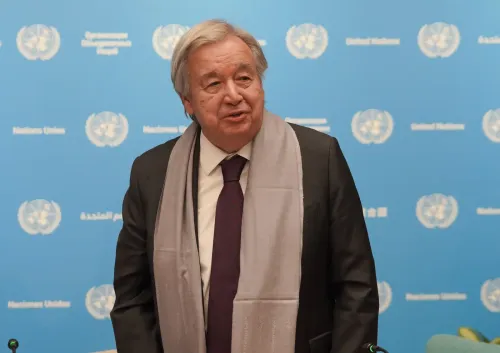
UN Secretary-General António Guterres, speaking to reporters, underscored this point: 'I think we must take profit of this week to allow for a large number of meetings between those leaders that are relevant in the context of the crisis that we are facing.' Guterres also noted: 'I would remind you that last year, there was a very important meeting of the United States with a number of Muslim countries that led to the peace plan for Gaza.'
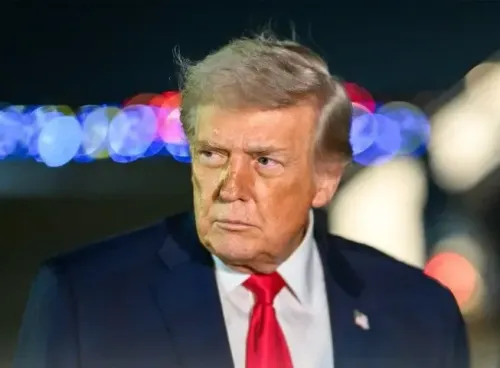
Even Trump — a persistent critic of the UN — acknowledged the session's diplomatic utility, telling reporters that the formation of the Board of Peace for Gaza flowed from last year's sideline encounters. It is a rare moment of alignment between the US president and the multilateral body he has frequently questioned.
Notable Absences and Striking Presences
Three of the world's most powerful leaders will not address the Assembly in person: Prime Minister Narendra Modi of India, President Xi Jinping of China, and President Vladimir Putin of Russia. External Affairs Minister S. Jaishankar will deliver India's address on Saturday.
Xi's absence is particularly striking given that he is travelling to the United States this week — he is scheduled to meet Trump in Washington on Thursday — raising questions about the diplomatic signals Beijing chooses to send through its engagement at the UN. Putin's absence is consistent with his pattern since the Ukraine invasion.
Among those who will be present, Iran's President Masoud Pezeshkian is set to address the Assembly a day after Trump — a charged sequence given that the two nations are on opposing sides of the Gulf Conflict, now in its seventh month. Ukraine's President Volodymyr Zelensky will also take the podium, representing a country fighting for its sovereignty into a fifth consecutive year of conflict.
Gaza, Palestine and a Visa Controversy
Israel's Prime Minister Benjamin Netanyahu is scheduled to address the Assembly on Thursday, where he is widely expected to defend his government's actions in Gaza — actions that have drawn broad international condemnation. In a development drawing separate criticism, the United States denied a visa to Palestine's President Mahmoud Abbas, effectively shutting him out of the session. The move adds a fresh diplomatic flashpoint to an already fraught week.
Point of View
China, and Russia — three of the five permanent Council powers — are absent from the podium, while the formal order of speakers places Iran directly after the United States. The institution's credibility deficit is real, but Guterres is right that the hallways produce results the chamber cannot. The denial of a visa to Palestine's president is not a procedural footnote; it is a statement of US posture that will colour every Gaza-related conversation this week. The real question is whether the sideline bilaterals — particularly the Xi-Trump Washington meeting — produce any durable de-escalation, or whether UNGA 2026 becomes another week of eloquent speeches against a backdrop of unchanged facts on the ground.
NationPress
21 Sept 2026
Frequently Asked Questions
What is the UN General Assembly high-level week in September 2026?
It is the annual gathering of world leaders at the United Nations headquarters in New York, where heads of state and government deliver national addresses and hold bilateral meetings. This year, 140 leaders and representatives from 53 additional countries are attending amid active conflicts in Ukraine, Gaza, and Sudan.
Why are Modi, Xi Jinping, and Putin not attending UNGA 2026?
The source does not specify reasons for the three leaders' absences. External Affairs Minister S. Jaishankar will represent India and deliver its address on Saturday. Xi Jinping's absence is considered particularly notable as he is travelling to Washington this week to meet US President Donald Trump on Thursday.
What is the US visa denial to Mahmoud Abbas about?
The United States denied a visa to Palestinian President Mahmoud Abbas, preventing him from attending or addressing the General Assembly session. The move has drawn criticism and adds a sharp diplomatic dimension to the week's Gaza-focused discussions.
Who is presiding over the UN General Assembly in 2026?
Bangladesh Foreign Minister Khalilur Rahman, who was elected as General Assembly president for the current session, is presiding over the meeting from the high rostrum.
What role do sideline meetings play at UNGA?
According to UN Secretary-General António Guterres, sideline meetings — held in missions, hotels, and UN hallways — are where substantive diplomatic outcomes are typically generated. Guterres cited last year's meeting between the US and several Muslim-majority countries as having directly produced the peace plan framework for Gaza.