Naga-Kuki clashes in Kamjong: 20+ houses torched near Myanmar border
Synopsis
More than 20 houses were torched in Manipur's Kamjong district as Naga-Kuki clashes flared again on 1 July — just weeks after the killing of six Naga civilians ignited a fresh cycle of retaliatory violence. The Kuki Inpi Manipur has raised pointed questions about why security forces vacated a vulnerable village just one day before the arson, adding an accountability dimension to an already volatile crisis.
Key Takeaways
Armed clashes between Naga and Kuki groups in Kamjong district, Manipur on 1 July resulted in more than 20 houses being torched near the India-Myanmar border .
At least 10 houses were set ablaze in the morning attack on a Naga village; 12 more were burnt in retaliatory afternoon violence.
No casualties have been officially reported from Wednesday's incidents.
Kuki Inpi Manipur (KIM) alleged security forces vacated a vulnerable village post just one day before the arson and demanded a transparent inquiry.
Tensions escalated after the bodies of six Naga civilians — allegedly abducted on 13 May — were recovered on 11 June in Kangpokpi district .
KZC Chairman Henlianthang Thanglet apologised for the killings, but Naga groups rejected the apology as 'insincere' and demanded prosecutions.
Fresh armed clashes between Naga and Kuki groups erupted in Manipur's Kamjong district on Wednesday, 1 July, resulting in the torching of more than 20 houses in villages near the India-Myanmar border, according to officials. No casualties have been officially reported from Wednesday's incidents.
How the Violence Unfolded
According to a senior police official, the violence began in the morning when armed men allegedly attacked a Naga village from a nearby Kuki village, setting at least 10 houses ablaze. The situation deteriorated further in the afternoon when suspected militants and armed village volunteers allegedly launched retaliatory strikes on other villages in the area.
Officials said at least 12 more houses belonging to the Naga community were burnt in the subsequent violence, bringing the total to over 20 structures destroyed.
Security Response
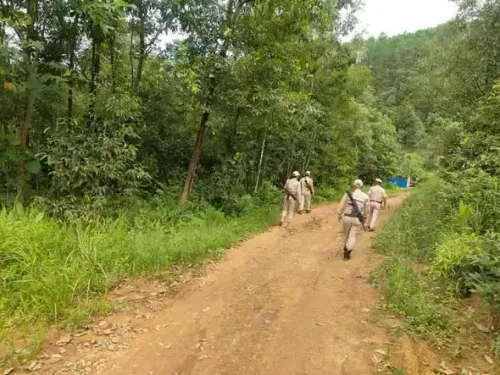
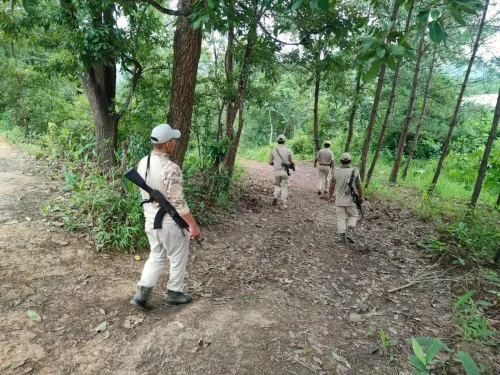
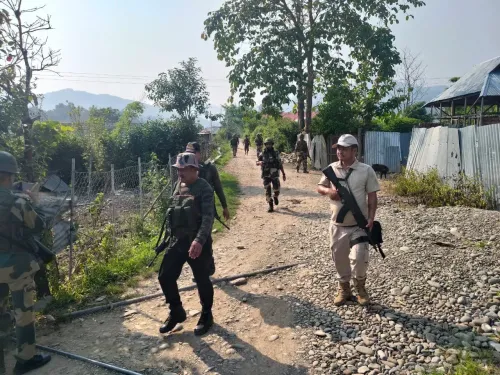
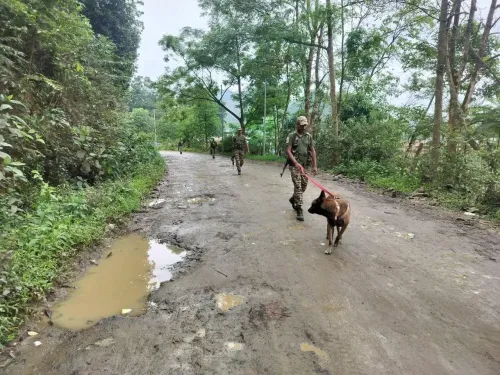
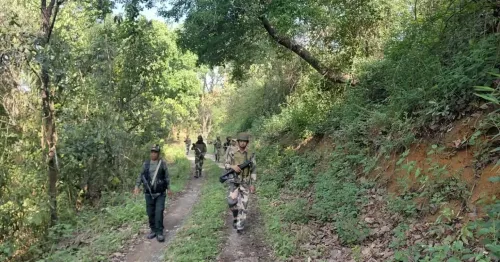
Security forces were rushed to the affected villages and launched area domination operations to restore normalcy. Officials said the situation remained tense but under close watch, with additional forces deployed to prevent any further escalation.
Kuki Organisation Condemns Attack, Raises Security Concerns
The Kuki Inpi Manipur (KIM), a leading Kuki organisation, condemned what it called 'the latest act of terror,' stating that a Kuki village in Kamjong district was 'reduced to ashes by armed cadres of Naga groups.'
In a statement, KIM alleged: 'This latest attack is yet another addition to the systematic campaign of violence and destruction targeting Kuki villages in the Tangkhul-dominated hill districts of Manipur. What makes this incident particularly alarming is that the village had been under the protection of the security forces, whose personnel vacated the post only a day before the arson took place. The timing raises serious concerns regarding the security arrangements in vulnerable villages and necessitates an immediate and transparent inquiry into the circumstances that enabled the attack.'
Background: Six Naga Civilians Killed, Apology Rejected
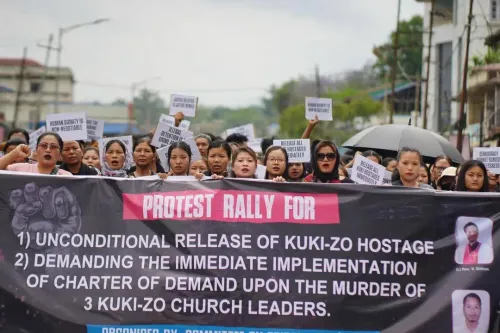
The latest clashes come against the backdrop of rising tensions following the killing of six Naga civilians, whose bodies were recovered on 11 June in Kangpokpi district after they were allegedly abducted on 13 May. That incident triggered widespread protests, counter-economic blockades, and renewed hostility between the two communities.
Kuki-Zo Council (KZC) Chairman Henlianthang Thanglet recently apologised for the killings, admitting at a media address in Churachandpur that 'the Kuki-Zo people made a grave mistake in killing the six Naga civilians, adding that it was done out of emotion.' However, various Naga groups rejected the apology, terming it 'insincere' and demanding the immediate arrest and prosecution of those responsible.
The fresh violence also follows recent disputes over the movement of essential commodity convoys to Kuki-inhabited areas and demonstrations by various organisations. With both communities hardening their positions, the path to de-escalation in Kamjong and the surrounding hill districts remains deeply uncertain.
Point of View
It points to either a catastrophic intelligence failure or something worse. The KZC apology for the six Naga killings, however unprecedented, has done little to cool tensions — rejected as insincere, it may have actually hardened positions. What is missing from the state's response is any credible de-escalation architecture: no ceasefire mechanism, no neutral mediation, and no accountability framework that both communities trust.
NationPress
30 Sept 2026
Frequently Asked Questions
What happened in Kamjong district, Manipur on 1 July 2025?
Armed clashes between Naga and Kuki groups in Kamjong district led to the torching of more than 20 houses in villages near the India-Myanmar border on 1 July 2025. The violence began in the morning with an alleged attack on a Naga village and escalated with retaliatory strikes in the afternoon; no casualties have been officially reported.
What triggered the fresh Naga-Kuki violence in Manipur?
The immediate trigger is disputed, but the broader context is the killing of six Naga civilians whose bodies were recovered on 11 June in Kangpokpi district after they were allegedly abducted on 13 May. That incident set off protests, economic blockades, and renewed hostility between the two communities, which has now spilled into Kamjong.
What did the Kuki Inpi Manipur say about the attack?
The Kuki Inpi Manipur (KIM) condemned the attack, alleging it was carried out by armed cadres of Naga groups. KIM raised particular concern that security forces had vacated a post protecting the affected village just one day before the arson, and demanded an immediate and transparent inquiry into the circumstances.
Has anyone apologised for the killing of the six Naga civilians?
Yes. Kuki-Zo Council Chairman Henlianthang Thanglet publicly apologised, admitting the Kuki-Zo people 'made a grave mistake' and that it 'was done out of emotion.' However, Naga groups rejected the apology as insincere and demanded the immediate arrest and prosecution of those responsible.
What is the current security situation in Kamjong?
Security forces have been deployed to the affected villages and are conducting area domination operations. Officials say the situation remains tense but under close watch, with additional forces in place to prevent further escalation.