49.8 lakh LPG cylinders delivered in a day amid Hormuz closure fears
Synopsis
Even as the Strait of Hormuz closure rattles global energy markets, India delivered nearly 50 lakh LPG cylinders in a single day — with 98% of bookings now digital and over 2,300 raids launched against black marketers. The government is walking a tightrope: holding retail fuel prices steady while quietly revising commercial rates.
Key Takeaways
49.8 lakh LPG cylinders were delivered on 30 April , with fresh bookings at 41.6 lakh .
Online LPG bookings have reached 98% ; authentication code-based deliveries stand at 93% to prevent diversion.
More than 2,300 raids were conducted on Thursday; 342 distributorships penalised and 73 suspended so far.
Retail prices of petrol and diesel remain unchanged despite global oil price spike; commercial LPG and jet fuel rates are being revised.
Over 43,200 PNG consumers have surrendered LPG connections via MYPNGD , easing demand pressure.
All refineries are operating at high capacity with adequate crude inventories amid Strait of Hormuz concerns.
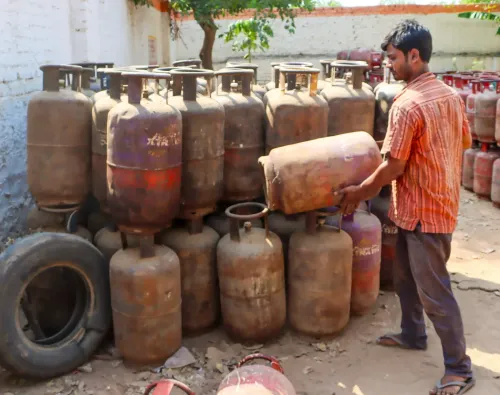
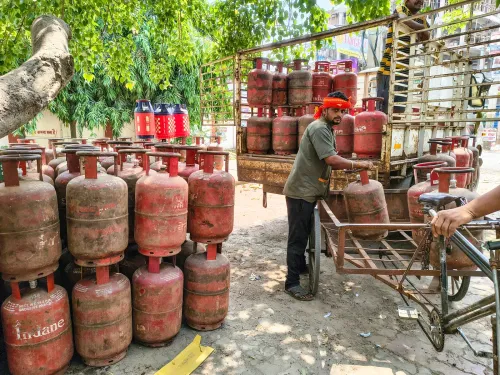
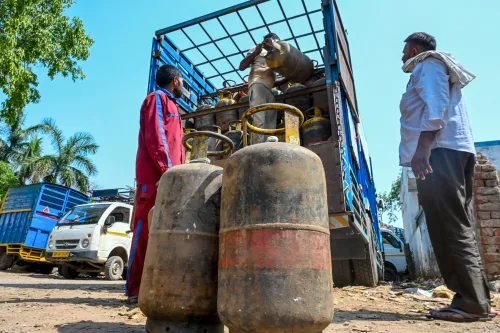
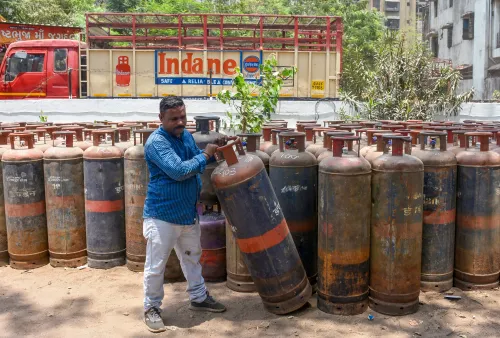
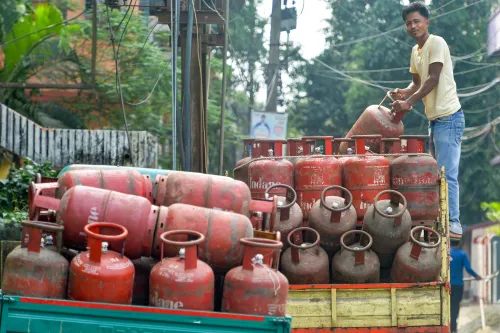
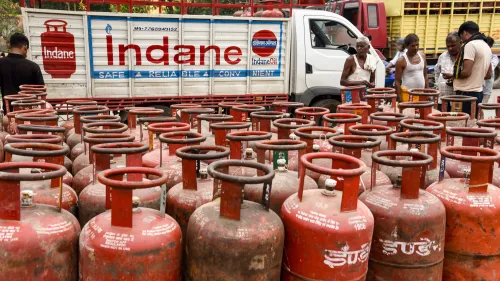
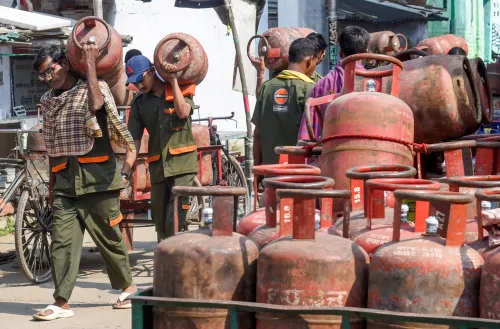
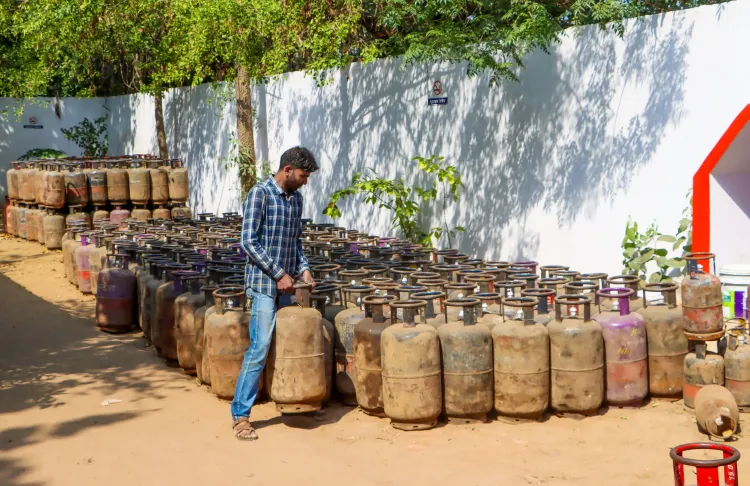
More than 49.8 lakh domestic LPG cylinders were delivered across India on 30 April, while fresh bookings stood at 41.6 lakh cylinders, as the Ministry of Petroleum and Natural Gas confirmed that cooking gas supply remains normal nationwide — with no dry-outs reported at any retail distributorship, despite supply chain concerns stemming from the closure of the Strait of Hormuz.
Supply Chain Under Watch
The government's assurance comes against the backdrop of a significant escalation in the Middle East conflict, which has disrupted global energy supply chains. Despite the pressure, all refineries are reportedly operating at high capacity with adequate crude inventories, and local LPG production from refineries has been ramped up to support domestic consumption. Sufficient stocks of petrol and diesel are also being maintained at petrol pumps across the country.
Digital Bookings and Anti-Diversion Measures
Online domestic LPG cylinder bookings have surged to 98% of total bookings, while authentication code-based deliveries to consumers' registered mobile numbers have climbed to approximately 93%. The shift to digital platforms is designed to prevent diversion at the distributor level — a long-standing challenge in the LPG supply ecosystem. Over 43,200 Piped Natural Gas (PNG) consumers have surrendered their LPG connections via the MYPNGD portal up to Thursday, helping ease pressure on LPG demand.
Enforcement: Raids, Penalties, and Suspensions
Enforcement actions are intensifying to curb hoarding and black marketing of LPG. More than 2,300 raids were conducted across the country on Thursday alone. Public sector oil companies have imposed penalties on 342 LPG distributorships, with 73 suspended so far. On Thursday specifically, show-cause notices were issued to 46 LPG distributors, penalties were imposed on six distributorships, and one was suspended.
Petrol and Diesel Prices Held Steady
Retail prices of petrol and diesel remain unchanged despite a global spike in oil prices, according to the ministry. However, oil marketing companies are undertaking calibrated price revisions for a limited set of commercial and industrial products — including jet fuel and commercial LPG — aligned with prevailing international trends. These revisions do not affect household consumers directly.
Government Advisory to Citizens
The Ministry of Petroleum and Natural Gas has urged citizens to avoid panic buying of petrol, diesel, and LPG, and to rely solely on official sources for accurate information rather than rumours. LPG consumers are specifically requested to use digital booking platforms and avoid visiting distributors in person. With enforcement ramping up and digital infrastructure holding firm, the government's near-term focus will be on sustaining supply normalcy as the geopolitical situation evolves.
Point of View
And the government's decision to hold retail petrol and diesel prices while quietly revising commercial rates suggests it is absorbing losses rather than passing them on, at least for now. The 2,300-raids-in-a-day figure also signals that hoarding and black marketing are real, not hypothetical, threats. The digital booking push to 98% is a structural win, but the 7% still outside the authentication net represents hundreds of thousands of cylinders vulnerable to diversion daily.
NationPress
19 Sept 2026
Frequently Asked Questions
Is LPG supply normal in India despite the Middle East conflict?
Yes, according to the Ministry of Petroleum and Natural Gas, LPG supply is normal across India with no dry-outs reported at any retail distributorship as of 30 April. The government has ramped up local LPG production from refineries to compensate for supply chain pressures caused by the Strait of Hormuz closure.
What is the Strait of Hormuz closure and how does it affect India?
The Strait of Hormuz is a critical global oil and gas shipping lane in the Middle East. Its closure amid ongoing conflict threatens supply chains for countries like India that import crude oil and LPG feedstock through this route. The Indian government has stated it is taking steps to ensure uninterrupted availability of petroleum products.
Why are raids being conducted on LPG distributors?
Enforcement agencies are conducting raids to curb hoarding and black marketing of LPG cylinders. More than 2,300 raids were carried out on Thursday alone, with 342 distributorships penalised and 73 suspended so far since the crackdown began.
Have petrol and diesel prices changed due to the global oil price spike?
No, retail prices of petrol and diesel remain unchanged for consumers despite a global spike in oil prices. However, oil marketing companies are making calibrated price revisions for commercial and industrial products such as jet fuel and commercial LPG, in line with international trends.
How can LPG consumers book cylinders safely and avoid black market supply?
Consumers are advised to use digital booking platforms, which now account for 98% of all LPG bookings. Authentication code-based deliveries, now at 93%, ensure cylinders reach the registered consumer. Citizens should avoid visiting distributors in person and rely on official sources for information.