CM Naidu: 500 TMC Pattiseema Waters Bring Prosperity to Krishna Delta
Synopsis
Andhra Pradesh Chief Minister N. Chandrababu Naidu announced that the Pattiseema Lift Irrigation Scheme has transferred 500 TMC of Godavari waters to the Krishna Delta, marking a major milestone in the state's water security and agrarian prosperity.
Key Takeaways
500 TMC of Godavari water has been transferred cumulatively to the Krishna Delta via the Pattiseema Lift Irrigation Scheme .
Chandrababu Naidu announced the milestone on October 10, 2026 , calling it a moment of 'prosperity' for the delta region.
The Pattiseema Scheme uses pump-based technology to lift Godavari waters into the Eluru canal and Prakasam Barrage system, feeding delta farmlands.
The Krishna Delta is one of Andhra Pradesh's most agriculturally productive belts, dependent on stable irrigation for paddy cultivation across large acreages.
The scheme is a flagship TDP government project and remains central to Naidu's governance and political narrative in Andhra Pradesh.
Five hundred TMC of water — a number that means everything to the farmers of the Krishna Delta. Andhra Pradesh Chief Minister N. Chandrababu Naidu declared on Saturday, October 10, 2026 that the Pattiseema Lift Irrigation Scheme has delivered 500 TMC (thousand million cubic feet) of Godavari waters to the Krishna Delta, calling it a moment of abundance and prosperity for the region.
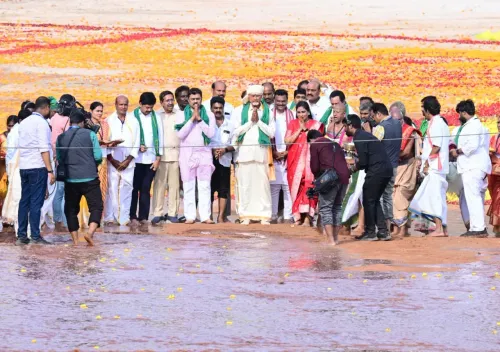
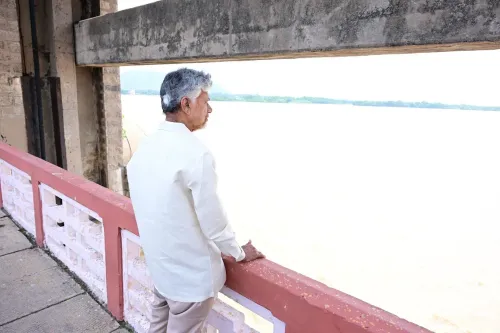
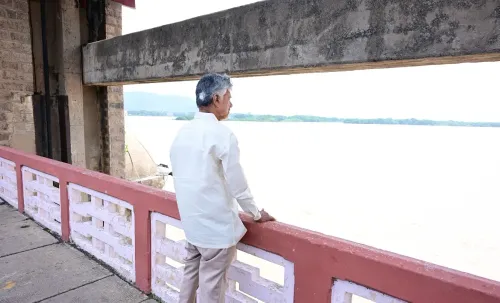
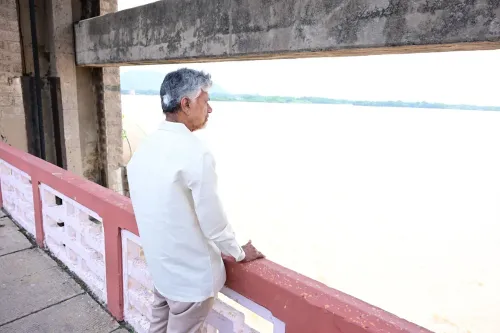
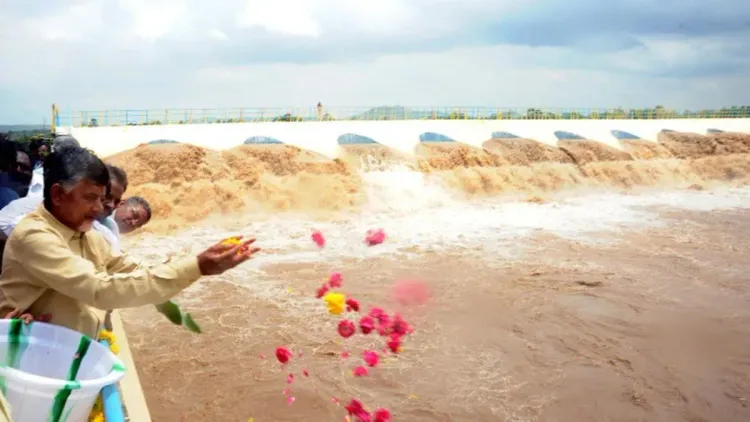
Posting on X with two images, the Chief Minister wrote in Telugu: '500 TMCల పట్టిసీమ జలాలు... కృష్ణా డెల్టాకు సిరులు' — meaning '500 TMC of Pattiseema waters... prosperity for the Krishna Delta.' The milestone marks a significant moment for a scheme that was designed to address the perennial water stress of one of Andhra Pradesh's most agriculturally vital regions.
What Pattiseema Means for the Krishna Delta
The Pattiseema Lift Irrigation Scheme, located on the Godavari River in West Godavari district, was conceived as a lifeline — a way to transfer surplus Godavari waters westward into the Prakasam Barrage system, which feeds the Krishna Delta. The delta's farmers, dependent on unpredictable Krishna River flows, have long faced shortages during deficit monsoon years. Pattiseema was built to change that calculus.
The scheme uses a series of powerful pumps to lift Godavari water and push it into the Eluru canal system, ultimately replenishing the Krishna Delta's irrigation network. When it functions at full capacity, it can significantly ease the pressure on the Krishna's own storage systems, giving delta farmers the water security they need across kharif and rabi seasons.
500 TMC: The Scale of the Achievement
500 TMC is not a small number — it is a cumulative volume that speaks to sustained, large-scale operation over time. To put it in perspective, major irrigation reservoirs in India typically hold anywhere between 50 and 200 TMC at full capacity. Transferring 500 TMC cumulatively through Pattiseema underscores both the scheme's operational consistency and the scale of the water security it has delivered to the delta's agrarian communities.
For the Krishna Delta — one of Andhra Pradesh's most fertile agricultural belts, supporting paddy cultivation across hundreds of thousands of acres — this volume of water translates directly into crop yields, farmer incomes, and rural economic stability.
Naidu's Water Politics and the TDP Legacy Claim
Chief Minister Naidu has consistently positioned the Pattiseema Scheme as a flagship achievement of the Telugu Desam Party (TDP) government. The scheme was constructed and commissioned during his previous tenure, and celebrating its 500 TMC milestone is as much a political statement as it is an operational update. For Naidu, water delivery to the Krishna Delta is a core governance promise — and one he is keen to keep visible.
The announcement comes at a time when inter-state water disputes and irrigation infrastructure remain deeply political in Andhra Pradesh, making every TMC delivered a point on the electoral and governance scorecard.
Five hundred TMC in — and for the Krishna Delta's farmers, the measure of good governance is still counted in the water that reaches their fields.
Point of View
Measurable water-delivery record ahead of any future electoral cycle. In Andhra Pradesh's volatile political landscape, where water disputes and farmer welfare define voter sentiment, associating the TDP with a half-trillion-cubic-feet transfer to the Krishna Delta is a powerful claim. The announcement also reflects a broader pattern: in states where river water is scarce and politically contested, infrastructure milestones are deliberately kept in public view, used both as governance proof points and as implicit contrasts to predecessor administrations.
NationPress
10 Oct 2026
Frequently Asked Questions
What is the Pattiseema Lift Irrigation Scheme?
The Pattiseema Lift Irrigation Scheme is a pump-based water transfer project on the Godavari River in West Godavari district, Andhra Pradesh, designed to divert surplus Godavari waters into the Prakasam Barrage system to irrigate the Krishna Delta.
What does 500 TMC of water mean for the Krishna Delta?
500 TMC (thousand million cubic feet) is a large cumulative volume that translates into sustained irrigation support for the Krishna Delta's paddy farmers across multiple seasons, significantly improving water security in the region.
Who built the Pattiseema Scheme?
The Pattiseema Lift Irrigation Scheme was built and commissioned during a previous Telugu Desam Party (TDP) government led by Chief Minister N. Chandrababu Naidu, and it remains a flagship project of his administration.
How does Pattiseema transfer Godavari water to the Krishna Delta?
The scheme uses high-capacity pumps to lift Godavari river water and channel it through the Eluru canal into the Prakasam Barrage system, which then distributes it across the Krishna Delta's extensive irrigation network.
Why is the Krishna Delta important for Andhra Pradesh?
The Krishna Delta is one of Andhra Pradesh's most fertile agricultural zones, supporting paddy cultivation across hundreds of thousands of acres. Stable water supply to this region directly affects farmer incomes and rural economic health.