Bengal voters silent on polls: 60-70% refused to speak, says Axis My India's Pradeep Gupta
Synopsis
Axis My India's Pradeep Gupta has flagged a striking data gap at the heart of Bengal's exit poll: 60-70% of voters simply refused to speak, citing fear of poll violence. The admission raises serious questions about the reliability of any Bengal forecast — and about the ground reality of electoral freedom in the state.
Key Takeaways
Axis My India CMD Pradeep Gupta says 60-70% of West Bengal respondents refused to answer exit poll questions, citing fear of poll violence.
Gupta called Bengal the most difficult state for election analysis due to an atmosphere of "fear" on the ground.
Aam Janata Unnayan Party led by Humayun Kabir could cut into minority votes in Bengal, potentially benefiting the BJP .
In Assam , the BPF has joined the BJP-led NDA; AIUDF is contesting independently after breaking from Congress alliance; delimitation in 2023 adds uncertainty.
Kerala 's Left government faces "significant anti-incumbency"; the UDF has been out of power for ten years .
TVK 's Vijay identified as the "third player" in Tamil Nadu , with his vote-share impact closely watched.
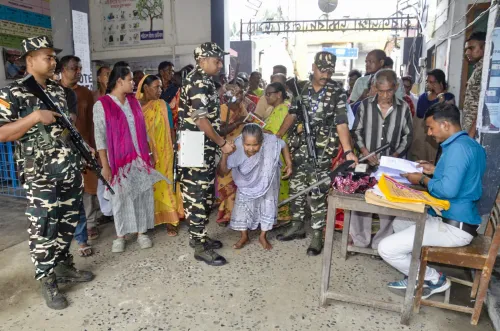
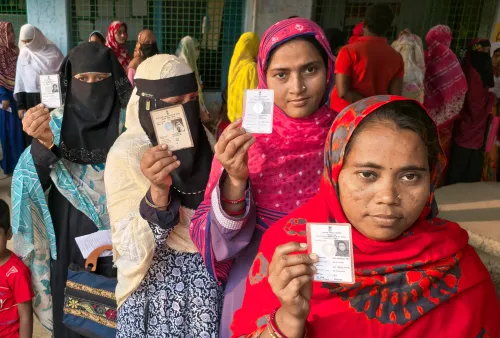
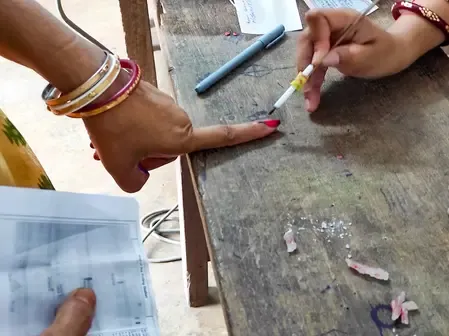
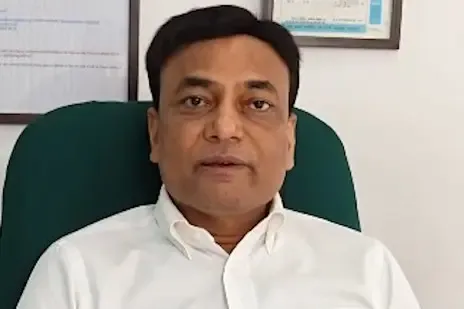
Axis My India Ltd Chairman and Managing Director Pradeep Gupta has revealed that between 60% and 70% of voters in West Bengal refused to answer — or even acknowledge — questions during his firm's exit poll survey, citing a pervasive atmosphere of fear linked to poll violence. The disclosure came on 29 April as exit poll results began emerging after Assembly elections concluded across five states and one Union Territory.
The Bengal Challenge: A Wall of Silence
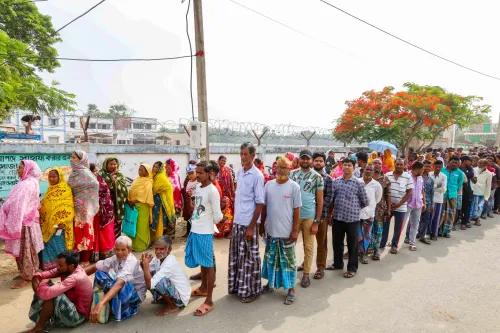
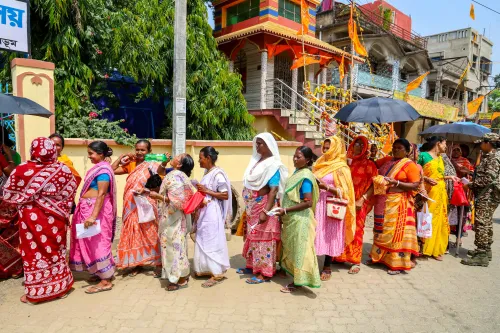
Speaking to IANS, Gupta described West Bengal as the most difficult terrain for his polling team. "In West Bengal, after the first phase of voting, the team — including myself — observed that while we cannot strictly call it a 'silent' voter, nearly 60 per cent to 70 per cent of people were simply unwilling to speak or even acknowledge questions," he said.
Gupta noted that the reluctance was rooted in fear rather than indifference. "People are scared that if they say anything, something untoward may happen to them. The reason can be attributed to violence during polls in the state," he said. This level of respondent refusal, he indicated, made credible analysis of Bengal's electoral mood exceptionally difficult.
Key Factors Shaping the Multi-State Results
Beyond Bengal, Gupta outlined the broader forces at play across the five states — all of which are non-Hindi speaking and located in South and East India. He identified anti-incumbency or pro-incumbency as the primary variable, alongside the impact of direct cash transfer schemes targeting women, which incumbent governments across several states have aggressively pursued over the past two to three years. "The results will reflect whether the 'trend' still works or not," he said.
In West Bengal, Gupta also flagged the role of the Aam Janata Unnayan Party, led by Humayun Kabir, as a potential spoiler for minority votes, and said it remained to be seen whether the Bharatiya Janata Party (BJP) could capitalise on any vote-splitting.
Assam: Shifting Alliances and Delimitation Effect
In Assam, Gupta pointed to significant alliance realignments. The BJP-led National Democratic Alliance (NDA) now includes both the Asom Gana Parishad (AGP) and the Bodo People's Front (BPF) — the latter a new addition this cycle. Meanwhile, the All India United Democratic Front (AIUDF), which had previously contested in alliance with the Indian National Congress, is running independently this time.
Gupta also reminded that Assam underwent delimitation in 2023, adding another layer of uncertainty. "It remains to be seen whether the people there still show faith in the incumbent BJP government and Chief Minister Himanta Biswa Sarma," he said.
Kerala, Tamil Nadu: Anti-Incumbency and a New Player
In Kerala, Gupta noted the state's well-established pattern of alternating governments every five years — a trend that did not hold in the last election but could reassert itself now. The Left alliance government, he said, faces "significant anti-incumbency," while the United Democratic Front (UDF) has been out of power for ten years. He also highlighted the BJP's strong showing in Thiruvananthapuram mayoral polls as a potential indicator of improved NDA performance in the state.
In Tamil Nadu, Gupta described TVK leader Vijay as the "third player" — one whose ability to dent rival parties and accumulate his own vote share would be closely watched. Whether Vijay's entry reshapes the traditional two-alliance contest in the state remains one of the election's open questions.
With results expected to test both incumbents and challengers across a diverse set of political landscapes, Gupta's analysis underscores that ground-level data collection — especially in Bengal — may be as contested as the elections themselves.
Point of View
That is not a polling methodology problem — it is a democratic health problem. Gupta's candid admission exposes a structural flaw in how Bengal's electoral outcomes are interpreted: any forecast built on the remaining 30-40% of willing respondents is, by definition, a skewed sample. Mainstream coverage tends to lead with the numbers; the more important story is what the silence itself signals about political coercion and the freedom to vote without fear. That context deserves as much scrutiny as the seat projections.
NationPress
19 Sept 2026
Frequently Asked Questions
Why did West Bengal voters refuse to answer exit poll questions?
According to Axis My India CMD Pradeep Gupta, between 60% and 70% of West Bengal respondents refused to speak or even acknowledge questions, citing fear that expressing any opinion could lead to harm. Gupta attributed this to the history of poll violence in the state.
How does voter silence in Bengal affect exit poll accuracy?
A refusal rate of 60-70% means any Bengal exit poll is based on a small and potentially unrepresentative sample of willing respondents. Gupta himself flagged this as the major challenge in analysing Bengal's electoral mood, making projections for the state inherently less reliable.
What alliance changes has Assam seen in this election cycle?
The BJP-led NDA in Assam now includes the Asom Gana Parishad (AGP) and the newly added Bodo People's Front (BPF). The AIUDF, which previously allied with Congress, is contesting independently this time. Assam also underwent delimitation in 2023, adding further unpredictability.
What is Pradeep Gupta's assessment of Kerala's political situation?
Gupta says Kerala's Left alliance government faces significant anti-incumbency, consistent with the state's historical pattern of changing governments every five years. The UDF has been out of power for ten years, and the BJP's strong showing in Thiruvananthapuram mayoral polls suggests the NDA could improve its performance.
Who is the 'third player' Pradeep Gupta refers to in Tamil Nadu?
Gupta identified TVK leader Vijay as the 'third player' in Tamil Nadu, noting that the key question is how much he can dent the vote share of established parties and how much he can accumulate for himself in what has traditionally been a two-alliance contest.