Suvendu Adhikari named Bengal CM, pledges collective leadership over one-man rule
Synopsis
West Bengal is set to get its first BJP Chief Minister since Independence — and Suvendu Adhikari's opening message was a pointed one. By pledging collective governance over a one-man Cabinet, he drew an unmistakable contrast with Mamata Banerjee's centralised style, signalling that the new administration intends to govern differently from day one.
Key Takeaways
Suvendu Adhikari was unanimously selected as leader of the BJP legislative party in West Bengal on 8 May , making him the next Chief Minister.
This will be the first BJP-led government in West Bengal since India's Independence.
Adhikari pledged collective leadership , contrasting his approach with the centralised style of predecessor Mamata Banerjee .
His stated priorities include action against corruption , justice for victims of alleged atrocities over the last 15 years , and corruption-free public services.
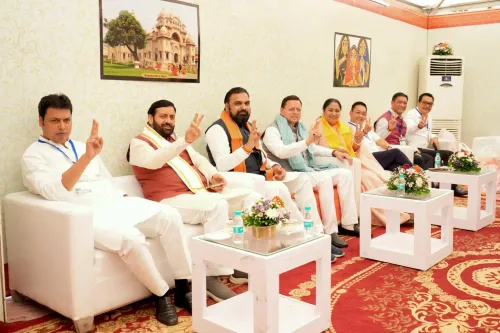
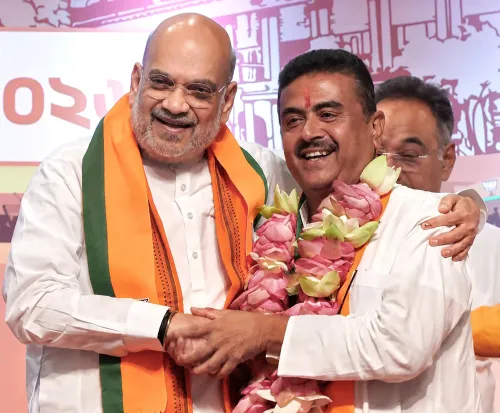
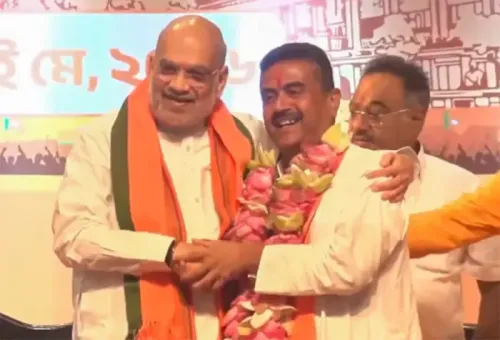
Union Home Minister Amit Shah chaired the meeting of 207 newly elected BJP legislators and urged them not to break public trust.
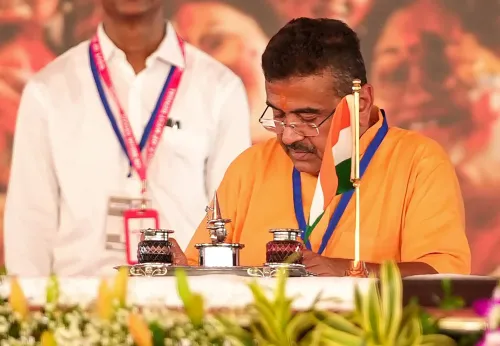
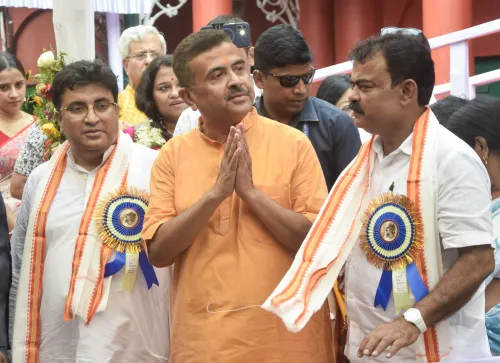
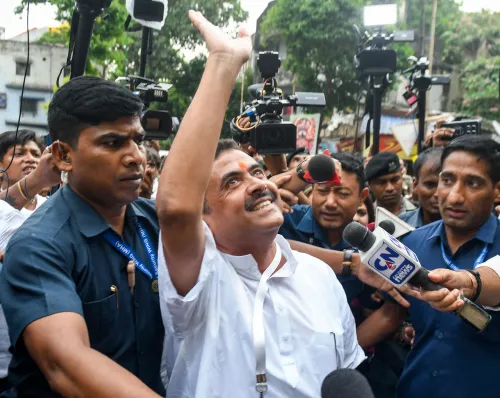
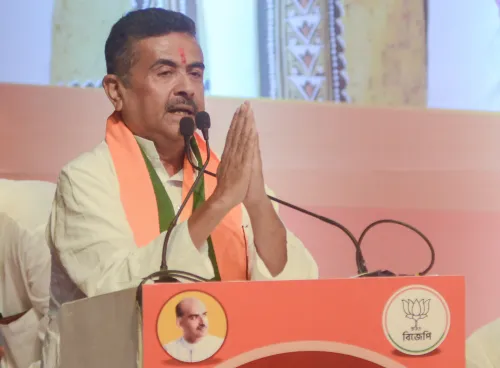
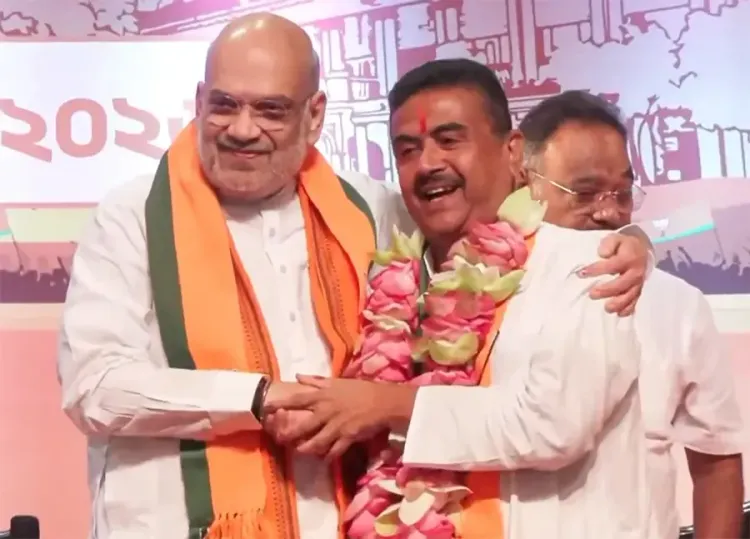
Suvendu Adhikari was unanimously named the leader of the Bharatiya Janata Party (BJP) legislative party in the West Bengal Assembly on Friday, 8 May, making him the next Chief Minister of West Bengal and the head of the first BJP-led government in the state since Independence. In his first address after the announcement, Adhikari pledged to run the new administration on a collective leadership model, explicitly distancing himself from the centralised decision-making style associated with his predecessor.
What Adhikari Said
Speaking at the meeting in Kolkata, Adhikari made his governing philosophy clear from the outset. "It will not be I who will be running the new government. We will run the new government," he said, signalling a deliberate departure from the governance culture that political observers associate with outgoing Chief Minister Mamata Banerjee.
Adhikari also outlined three immediate priorities for his incoming Cabinet: pursuing legal action against those involved in corruption and misuse of public funds; delivering justice to victims of what he described as "grave injustice and atrocities during the last 15 years"; and establishing a corruption-free public service delivery system.
Shah's Message to BJP Legislators
The meeting was chaired by Union Home Minister Amit Shah and attended by 207 newly elected BJP legislators. Addressing them, Shah invoked the scale of the party's landslide victory and urged members not to squander the public mandate.
"There was an atmosphere of fear here during Mamata Banerjee's rule. But despite that, I am grateful to the people of West Bengal for the victory they gave us by trusting our leaders," Shah said. He pressed the legislators to fulfil the aspirations of those who had brought them to power. "Don't let the trust be broken. This is the duty of all of you. We have to ensure that we give our best to the people of West Bengal," he added.
Historic Significance of the BJP Win
The BJP's victory in the 2027 West Bengal Assembly elections marks the first time the party has formed a government in the state since India's Independence. West Bengal had been governed by the All India Trinamool Congress (TMC) under Banerjee since 2011, a period during which the BJP had been a largely peripheral force in state politics before mounting a sustained electoral challenge over successive election cycles.
Political observers note that Adhikari's emphasis on collective leadership carries a pointed subtext: it implicitly frames the outgoing Banerjee administration as overly centralised, where, analysts have long argued, no significant administrative decision — major or minor — could pass without the Chief Minister's personal concurrence.
What Comes Next
Adhikari is expected to be sworn in as Chief Minister in the coming days, with Cabinet formation likely to follow shortly after. His administration will face immediate pressure to act on its stated priorities — particularly accountability for alleged corruption and atrocities under the previous government — while managing the expectations of a state electorate that delivered a historic mandate. How quickly and credibly the new government moves on those fronts will define the early character of BJP rule in Bengal.
Point of View
And dismantling that in practice — not just in rhetoric — will require structural changes to how the Cabinet and bureaucracy function. The BJP's landslide also brings enormous expectations on law and order and accountability, two areas where early, visible action will define whether this government is a genuine break from the past or merely a change of faces. The real test will come not in the first speech, but in the first hundred days.
NationPress
22 Sept 2026
Frequently Asked Questions
Who is Suvendu Adhikari?
Suvendu Adhikari is a senior BJP leader unanimously selected as the next Chief Minister of West Bengal on 8 May, heading the first BJP-led government in the state since Independence. He is a former TMC leader who switched to the BJP and became one of its most prominent faces in West Bengal.
Why is the BJP's West Bengal win historically significant?
The BJP's 2027 victory marks the first time the party has formed a government in West Bengal since India's Independence. The state had been governed by Mamata Banerjee's TMC since 2011, making this a landmark political shift.
What did Adhikari mean by collective leadership?
Adhikari pledged that the new Cabinet would make decisions collectively rather than concentrating power in the Chief Minister's office. Political observers interpret this as a direct contrast to the Banerjee administration, where virtually all major decisions reportedly required her personal approval.
What are Adhikari's stated priorities as Chief Minister?
Adhikari outlined three priorities: legal action against those involved in corruption and misuse of public funds, justice for victims of alleged atrocities over the past 15 years, and establishing a corruption-free public service delivery system.
What did Amit Shah say at the BJP legislators' meeting?
Union Home Minister Amit Shah urged the 207 newly elected BJP legislators not to break the trust of the people of West Bengal, who had delivered a landslide victory despite what he described as an atmosphere of fear under the previous government.