Ahmedabad AMC turns stray cattle dung into biogas, saves ₹10,350 monthly
Synopsis
Ahmedabad's civic body has quietly turned a persistent urban headache — stray cattle — into an energy asset. By processing dung from over 1,100 cattle across two gaushalas into biogas and electricity, the AMC is saving ₹10,350 monthly, eliminating 27 LPG cylinders, and feeding workers — a model other Indian cities may soon look to replicate.
Key Takeaways
AMC converts stray cattle dung into biogas and electricity at gaushalas in Bakrol and Danilimda , Ahmedabad .
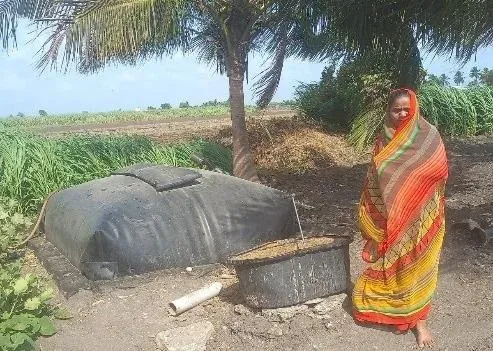
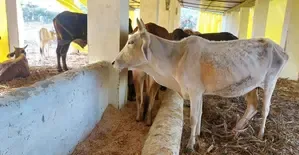
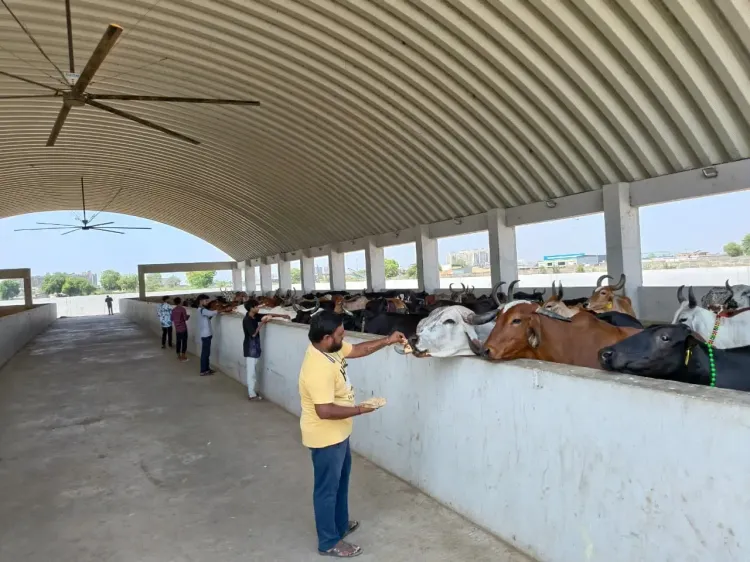
The Bakrol facility houses 750 cattle , processes 1,000 kg of dung daily, yielding 46 kg of biogas and nearly 35 units of electricity .
The initiative has eliminated the need for approximately 27 LPG cylinders per month, saving about ₹10,350 in electricity costs.
Biogas cooks food for 32 workers and their families; over 1,000 rotis are prepared daily at Bakrol for feeding animals.
Dung residue is used as fertiliser ; dung sticks are manufactured and distributed free to temples, providing employment to 13 workers .
AMC plans to expand the project by incorporating vegetable waste from city markets to increase biogas output.
The Ahmedabad Municipal Corporation (AMC) has begun converting dung from stray cattle into biogas and electricity, integrating its cattle control operations with a zero-waste energy model that is cutting operational costs at municipal shelters across the city. The initiative, active at two gaushalas, marks a notable shift in how Indian urban bodies are approaching the twin problems of stray cattle management and municipal waste.
How the Programme Works
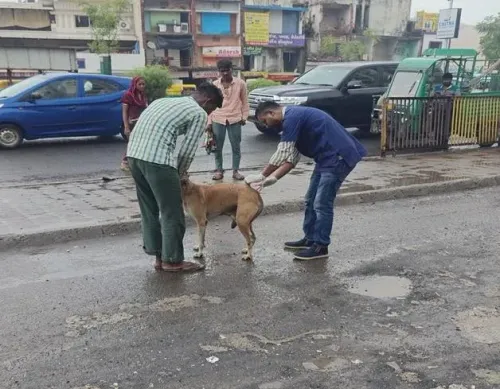
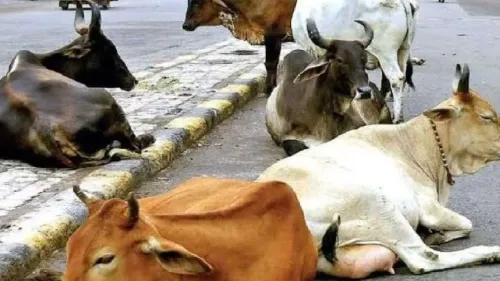
The project is implemented through AMC's Cattle Nuisance Control Department (CNCD), which captures stray cattle from city roads and relocates them to gaushalas at Bakrol and Danilimda — the latter known as Karuna Mandir. At both facilities, dung generated by the animals is fed into biogas plants to produce cooking fuel and electricity.
Municipal Commissioner Banchhanidhi Pani said the civic body introduced the 'Stray Cattle Nuisance Prevention and Control Policy' in 2023 to systematically address roaming cattle on city roads.
Point of View
But its scale remains modest — 35 units of electricity and 46 kg of biogas daily is a proof of concept, not a grid-level solution. The real question is whether AMC can replicate and standardise this across more facilities, and whether the planned integration of vegetable market waste will push output to a level that meaningfully offsets municipal energy bills. What this initiative does well is demonstrate that stray cattle management need not be purely a cost centre — a lesson that cash-strapped civic bodies in Tier-2 and Tier-3 cities would do well to study.
NationPress
15 Sept 2026
Frequently Asked Questions
What is the Ahmedabad AMC stray cattle biogas initiative?
The Ahmedabad Municipal Corporation has set up biogas plants at two gaushalas — in Bakrol and Danilimda — where dung from over 1,100 stray cattle is processed daily into cooking gas and electricity. The initiative is part of AMC's Stray Cattle Nuisance Prevention and Control Policy introduced in 2023.
How much energy does the Bakrol gaushala produce?
The Bakrol facility processes around 1,000 kg of dung daily, yielding approximately 46 kg of biogas and generating nearly 35 units of electricity. Two biogas plants, each with a one-tonne capacity, are installed at the site.
How much money is AMC saving through this initiative?
AMC has eliminated the need for approximately 27 LPG cylinders per month and is saving about ₹10,350 in electricity costs as a direct result of the biogas programme at its gaushalas.
Who benefits from the biogas produced at these shelters?
The biogas is used for cooking for around 32 workers and their families living at the Bakrol facility. More than 1,000 rotis are prepared daily using biogas to feed cows and dogs at the shelter.
What are AMC's expansion plans for this project?
AMC plans to incorporate vegetable waste from city markets into the biogas plants to increase output. Officials have also noted the initiative aligns with broader Gujarat solid waste management goals under Prime Minister Narendra Modi and Chief Minister Bhupendra Patel.