Akhilesh Yadav alleges BJP levying 'election surcharge' on UP power bills
Synopsis
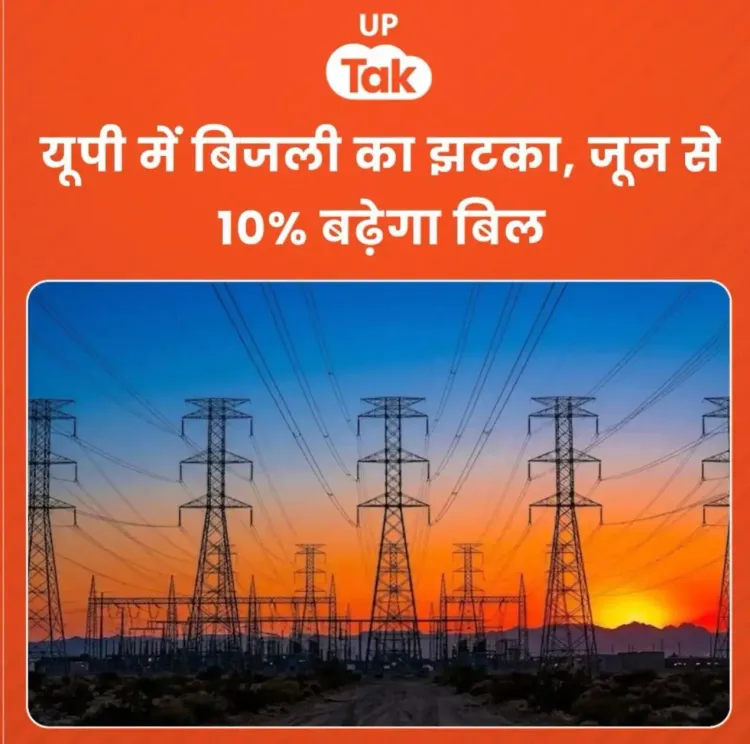
SP president Akhilesh Yadav on 1 June 2026 alleged the BJP has imposed an 'election surcharge' on Uttar Pradesh electricity bills to finance its 2027 assembly election campaign, calling the tariff hike the ruling party's 'commission' on consumers.
Key Takeaways
Akhilesh Yadav posted on 1 June 2026 alleging a sharp rise in Uttar Pradesh electricity bills starting this month.
He characterised the hike as an 'election surcharge' meant to fund the BJP 's 2027 UP assembly election spending.
He described the increased tariff as the BJP's 'commission' — framing it as political rent extraction rather than regulatory necessity.
Electricity pricing in UP is regulated by the Uttar Pradesh Electricity Regulatory Commission (UPERC) ; the BJP has governed the state since 2017 .
The specific 'election surcharge' terminology and the exact June 2026 tariff revision details have not been confirmed from public regulatory record.
The charge sets the stage for electricity affordability to become a central battleground in the run-up to the 2027 Uttar Pradesh Legislative Assembly elections .
Samajwadi Party president Akhilesh Yadav on Monday, 1 June 2026, accused the ruling Bharatiya Janata Party of embedding what he called an 'election surcharge' in electricity bills in Uttar Pradesh, claiming consumers would be hit hard starting this month.
Context
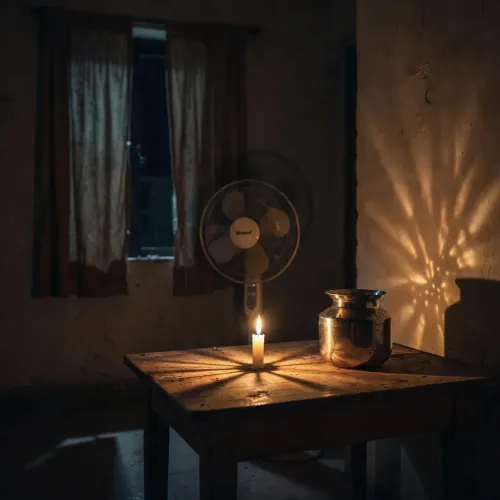
Posting in Hindi on X, Akhilesh Yadav wrote: 'जून से बिजली का बिल देखकर आँखों के आगे अंधेरा छाएगा' — loosely translated as, 'From June, seeing the electricity bill will make your eyes go dark.' He alleged that the BJP is using power tariffs to fund what he described as 'crafty expenses' for the 2027 Uttar Pradesh Legislative Assembly elections.
The SP chief went further, claiming that the electricity bill now includes a growing 'commission' for the BJP — a pointed charge framing a utility tariff revision as politically motivated rent extraction rather than a regulatory necessity.
Policy Backdrop
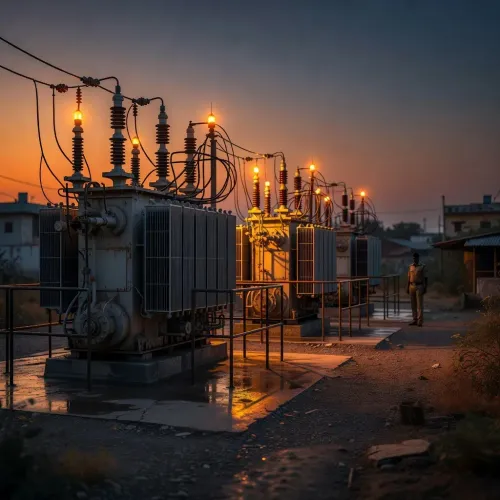
Electricity pricing in Uttar Pradesh is determined by the Uttar Pradesh Electricity Regulatory Commission (UPERC), which periodically revises tariffs based on submissions from state distribution companies (discoms). The BJP has governed the state since 2017 under Chief Minister Yogi Adityanath, overseeing multiple tariff cycles during that period.
Discom finances in the state have historically been strained, with losses and subsidy burdens passed through to consumers in successive tariff orders. The central government's UDAY (Ujwal DISCOM Assurance Yojana) scheme, launched in 2015, sought to restructure discom debt, but distribution-level inefficiencies and aggregate technical and commercial losses have remained a persistent challenge in UP.
It is standard regulatory practice for tariff revisions to reflect cost-of-supply changes; however, the timing and quantum of any such revision effective June 2026 have not been independently confirmed from public record.
Stakeholders and Impact
Uttar Pradesh is India's most populous state, with tens of millions of household electricity consumers spread across urban and rural areas. Any upward revision in tariffs directly affects domestic budgets, particularly for lower-income households that already face irregular supply and metering issues.
The Samajwadi Party has historically positioned itself as a champion of affordable utilities for farmers and the poor — a constituency it seeks to consolidate ahead of the 2027 assembly polls. Opposition leaders across Indian states have routinely alleged that ruling parties embed political costs or inefficiencies into utility tariffs ahead of elections, making electricity pricing a perennial flashpoint in state-level politics.
What's Next
Attention will now turn to the next tariff determination order from the Uttar Pradesh Electricity Regulatory Commission and any accompanying state budget announcements on power subsidies. The BJP government in Lucknow is expected to respond to the charge, either by defending the tariff revision on cost-recovery grounds or by announcing relief measures for consumers.
With the 2027 UP assembly elections on the horizon, electricity pricing is likely to become an increasingly contested political issue, with both parties seeking to shape the narrative around household affordability and governance accountability.
Point of View
The SP chief is targeting the everyday economic anxieties of UP's vast consumer base — a constituency that crosses caste and class lines. The allegation fits a well-established pattern in Indian state politics where utility pricing becomes a proxy battleground for governance credibility. Whether the charge gains traction will depend largely on whether the BJP can offer a credible cost-of-supply justification or a compensatory relief package before bills land in June.
NationPress
19 Sept 2026
Frequently Asked Questions
Why is Akhilesh Yadav criticising the electricity bill in UP?
Akhilesh Yadav alleges that the BJP government in Uttar Pradesh has increased electricity tariffs effective June 2026 not for genuine cost-recovery reasons but to fund its campaign spending for the 2027 state assembly elections, calling it an 'election surcharge.'
What is the 'election surcharge' Akhilesh Yadav mentioned?
'Election surcharge' is the term used by Akhilesh Yadav — not an official regulatory category — to describe what he claims is an inflated component of the electricity bill designed to channel money toward the BJP's 2027 UP election expenses. The term does not appear in any official UPERC tariff order on public record.
Who controls electricity pricing in Uttar Pradesh?
Electricity tariffs in Uttar Pradesh are set by the Uttar Pradesh Electricity Regulatory Commission (UPERC), an independent statutory body, based on petitions filed by state distribution companies. The state government can influence the process through subsidy commitments and discom policy.
When are the next UP assembly elections?
The next Uttar Pradesh Legislative Assembly elections are scheduled for early 2027. The BJP, which has held power in the state since 2017 under Chief Minister Yogi Adityanath, and the Samajwadi Party are expected to be the principal contestants.
Has the BJP responded to Akhilesh Yadav's electricity bill allegation?
As of the time of this report, no official response from the BJP or the Uttar Pradesh government to Akhilesh Yadav's 1 June 2026 post has been confirmed.