Is the Pakistani Government Failing Afghan Refugees?

Synopsis
Amnesty International's urgent call for action highlights the plight of Afghan refugees in Pakistan, urging the government to halt deportations and ensure their safety. As threats loom, what steps will be taken to protect these vulnerable individuals?
Key Takeaways
Amnesty International urges Pakistan to protect Afghan refugees.
110,000 refugees face deportation threats.
Long history of Afghan refugees in Pakistan.
Concerns over women's and activists' safety if returned.
Pakistan's deportation efforts intensified since September 2023.
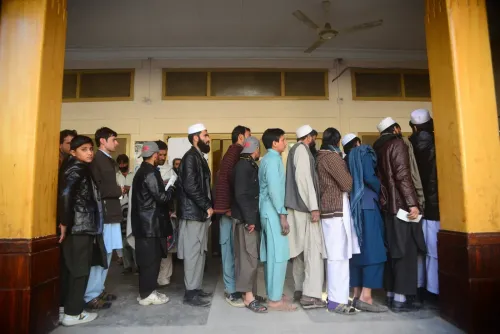
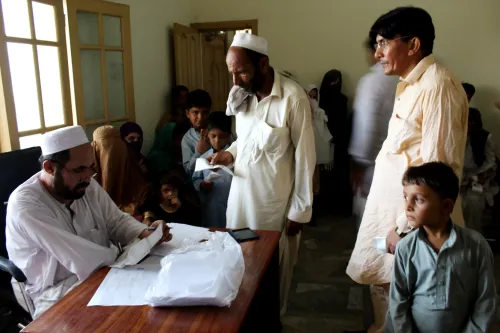
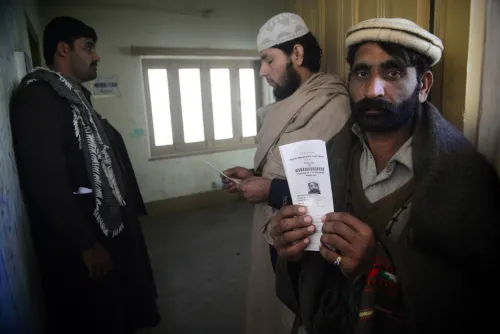
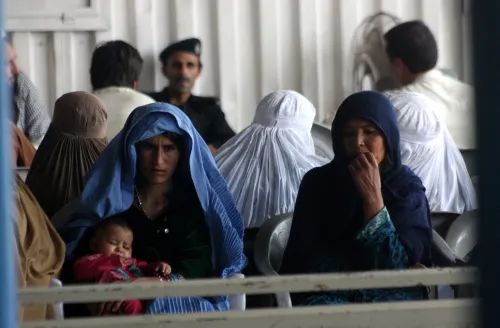
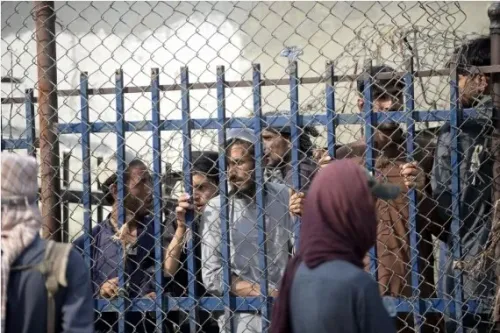
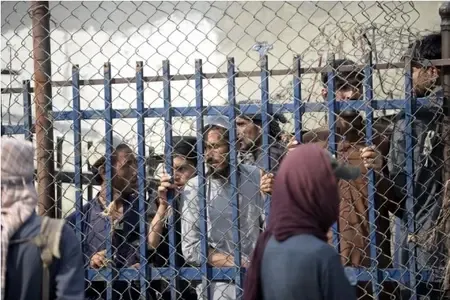
New Delhi, Jan 11 (NationPress) Amnesty International, a prominent human rights organization, has urged the Pakistani government to safeguard Afghan refugees residing within its borders from harassment and unlawful torture by security forces. In an open letter addressed to Prime Minister Shehbaz Sharif, the organization voiced serious concerns over the unlawful detention, harassment, and deportation of Afghan refugees, emphasizing their vulnerability and the necessity for state protection.
The letter called for Pakistani authorities to take decisive action to prevent the deportation of Afghan refugees and ensure their protection in accordance with international human rights law.
“Pakistani authorities must guarantee that the rights of Afghan refugees are upheld, especially their protection from arbitrary detention and eviction from refugee camps and their residences,” the letter asserts.
Referring to data from the United Nations High Commissioner for Refugees (UNHCR), Amnesty International highlighted that approximately 110,000 refugees and asylum seekers are currently facing direct threats of deportation, underscoring the heightened vulnerability of women, journalists, and human rights activists if forcibly returned to Afghanistan.
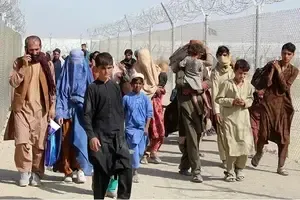
Pakistan has a long history of hosting Afghan refugees, providing shelter to countless individuals fleeing conflict and political turmoil for over 40 years. However, following the launch of the “Illegal Foreigners Repatriation Plan” in September 2023, the country has intensified efforts to repatriate undocumented Afghans, even targeting some with legitimate refugee status.
According to the International Organisation for Migration (IOM), since the start of the deportation campaign, 1,495,851 Afghan refugees have returned to Afghanistan, with nearly half, 778,739, returning in just 2025.
Similar deportation initiatives are also occurring in neighboring Iran, with estimates suggesting that over four million Afghans have been deported or coerced into returning from both Pakistan and Iran since September 2023, including more than 2.6 million in 2025 alone.
Point of View
I believe it is imperative for our nation to uphold human rights and provide sanctuary for those fleeing persecution. The treatment of Afghan refugees in Pakistan is a matter of global concern, and we must advocate for their protection.
NationPress
6 Oct 2026
Frequently Asked Questions
What is the situation of Afghan refugees in Pakistan?
Afghan refugees in Pakistan face threats of unlawful detention and deportation. Amnesty International has called for their protection from harassment by security agencies.
How many Afghan refugees are at risk of deportation?
Approximately 110,000 Afghan refugees and asylum seekers are currently facing direct threats of deportation in Pakistan.
What actions has Amnesty International taken?
Amnesty International has written an open letter to Prime Minister Shehbaz Sharif urging the government to protect Afghan refugees and cease deportations.
What historical context is there for Afghan refugees in Pakistan?
Pakistan has hosted Afghan refugees for over 40 years, providing shelter to those fleeing conflict and political instability in Afghanistan.
What are the implications of the repatriation plan?
Since the launch of the 'Illegal Foreigners Repatriation Plan', Pakistan has intensified efforts to deport undocumented Afghans, impacting even those with legal refugee status.