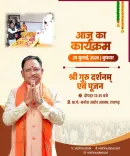
Arunachal CMO Greets Guru Purnima with Sanskrit Shloka
Synopsis
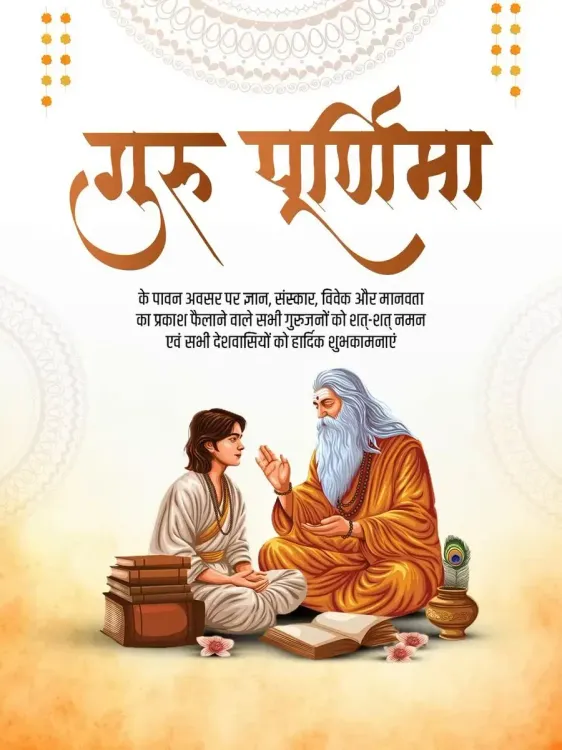
The Chief Minister's Office of Arunachal Pradesh marked Guru Purnima 2026 with a Sanskrit shloka from the Guru Stotram, offering a reverent salute to all teachers and spiritual guides as rays of light in life's darkness.
Key Takeaways
The Chief Minister's Office of Arunachal Pradesh posted a Guru Purnima greeting on 29 July 2026 .
The message opened with the classical Sanskrit shloka Gururbrahmā Gururviṣṇuḥ , equating the guru with the Hindu divine trinity.
Guru Purnima is observed on the full moon of the Hindu month of Ashadha each year.
The CMO's message called upon teachers to continue guiding people 'on the righteous path.' Indian state administrations commonly mark major cultural and religious observances with such messages on social platforms.
On Guru Purnima 2026, the Chief Minister's Office of Arunachal Pradesh offered a reverent salutation to teachers and spiritual guides everywhere — opening with one of Hinduism's most enduring verses on the sanctity of the guru.
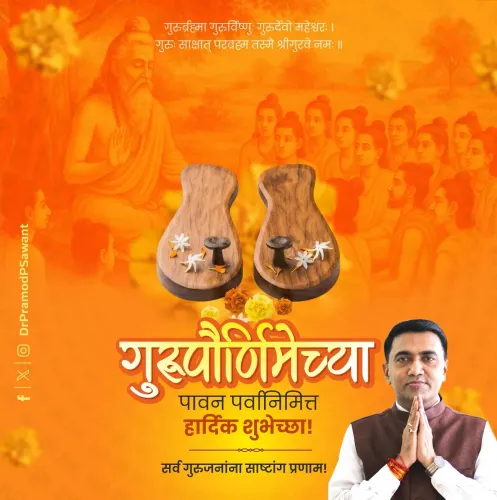
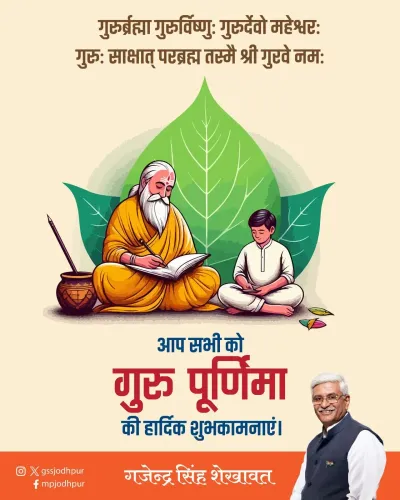
The post begins with the classical Sanskrit shloka: 'Gururbrahmā Gururviṣṇuḥ Gururdevo Maheśvaraḥ, Guruḥ Sākṣāt Paraṃ Brahma Tasmai Śrī Gurave Namaḥ' — 'The guru is Brahma, the guru is Vishnu, the guru is the great lord Shiva; the guru is verily the supreme Brahman itself — to that revered guru, I bow.' The verse, drawn from the Guru Stotram of ancient Hindu scripture, frames the teacher not merely as an instructor but as a living embodiment of the divine trinity.
What Guru Purnima Marks
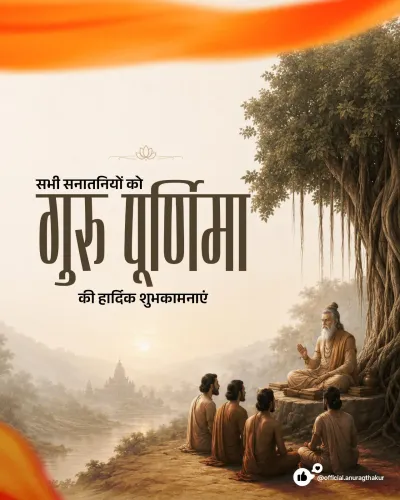
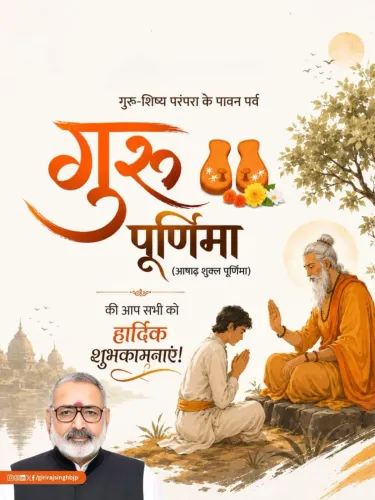
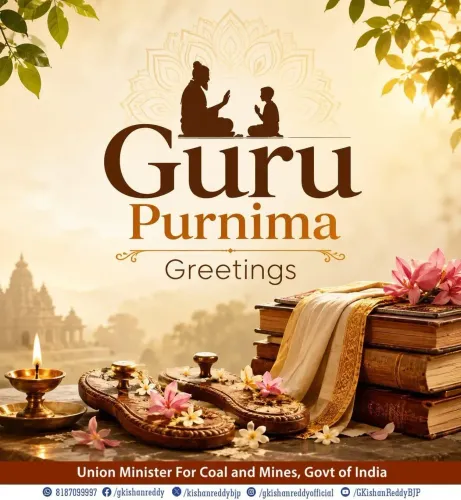
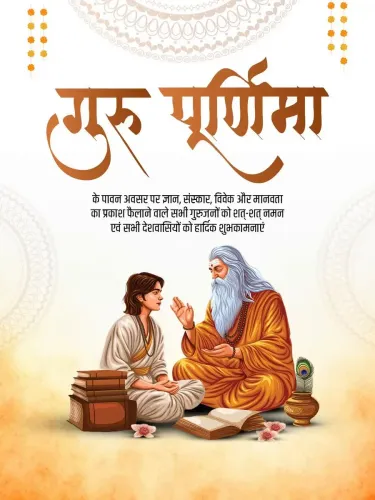
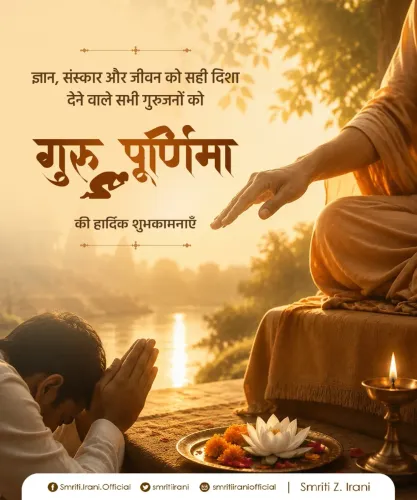
Guru Purnima falls on the full moon day of the Hindu month of Ashadha — a date observed across India, Nepal, and Bhutan by students, disciples, and devotees who pay homage to those who have guided them. The tradition honours both academic teachers and spiritual masters, binding the classroom and the ashram in a single act of gratitude. The CMO's message extended that salutation broadly: 'To all the gurus who become a ray of light in the darkness of life — a respectful salute on Guru Purnima. May your guidance lead us all on the righteous path.'
State governments across India routinely mark such occasions on social platforms, but the choice of the full Sanskrit shloka — rather than a plain greeting — signals a deliberate cultural register, anchoring the message in classical tradition.
The teacher, the shloka reminds us, does not merely transfer knowledge. They illuminate. On Guru Purnima, that idea is not metaphor — it is the entire point.
Point of View
And a Sanskrit shloka on Guru Purnima is a deliberate signal within that pattern. For a frontier state like Arunachal Pradesh — where indigenous traditions, Hindu practice, and Buddhist culture intersect — invoking classical Sanskrit scripture is also a soft assertion of civilisational continuity. The message carries no immediate policy weight, but it reflects a broader trend of state institutions reclaiming religious and pedagogical heritage as part of official communication. The real audience is not just citizens: it is the cultural register the administration wishes to occupy.
NationPress
29 Jul 2026
Frequently Asked Questions
What is Guru Purnima and when is it celebrated?
Guru Purnima is an annual Hindu observance held on the full moon day of the month of Ashadha, honouring teachers and spiritual guides. In 2026 it fell on 29 July .
What does the Sanskrit shloka in the Arunachal CMO post mean?
The shloka — from the classical Guru Stotram — translates as: 'The guru is Brahma, the guru is Vishnu, the guru is the great lord Shiva; the guru is verily the supreme Brahman itself — to that revered guru, I bow.' It places the teacher on par with the Hindu divine trinity.
Why did the Arunachal Pradesh CMO post a Guru Purnima message?
State governments and constitutional offices across India routinely mark major cultural and religious observances on social platforms as a gesture of respect and cultural engagement with citizens.
What is the significance of Guru Purnima for students and disciples?
On Guru Purnima, students, disciples, and devotees pay formal homage to those who have guided them — spanning academic teachers, spiritual masters, and mentors — in a tradition that binds learning and devotion.
Is Guru Purnima only a Hindu festival?
While rooted in Hindu tradition, Guru Purnima is also observed by Buddhists — who mark it as the day the Buddha gave his first sermon — and Jains, making it a broadly significant day across several Indian spiritual traditions.