ASI Harjit Singh shot dead in Amritsar; Congress MP flags Punjab law and order crisis
Synopsis
A serving police officer was shot dead at point-blank range in Amritsar at 3 a.m. — and Congress MP Manish Tiwari's response cuts to the core of a longer crisis: Punjab's vulnerability to cross-border narco-terrorism, drone-delivered weapons, and a law and order environment he says is plainly 'not normal.'
Key Takeaways
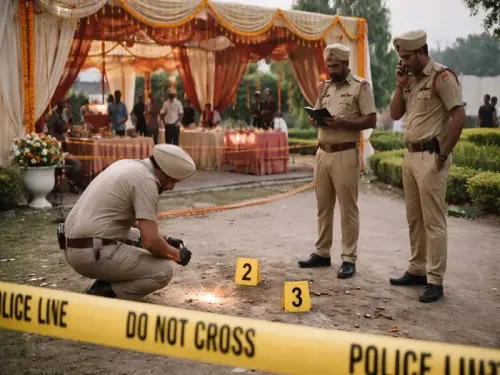
ASI Harjit Singh , a resident of Tarn Taran district , was shot dead by two motorcycle-borne assailants at the Grain Market in Bhagtanwala, Amritsar at around 3 a.m. on 18 September .
The assailants fired multiple bullets at point-blank range; Singh was declared brought dead at a private hospital.
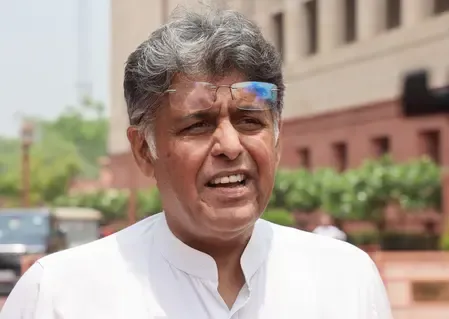
Congress MP Manish Tiwari said the incident proves Punjab's law and order is 'not normal' and called for action from both the Centre and the state government.
Tiwari warned of escalating 'narco-terrorism' in Punjab since 1995 , linked to cross-border drug and weapons flows from Pakistan, including via drones.
Police have begun investigating the identity and motive of the assailants; no arrests have been reported.
Separately, Tiwari alleged the ECI's freeze on the TMC symbol was 'actuated by mala fide' and damaged democratic norms.
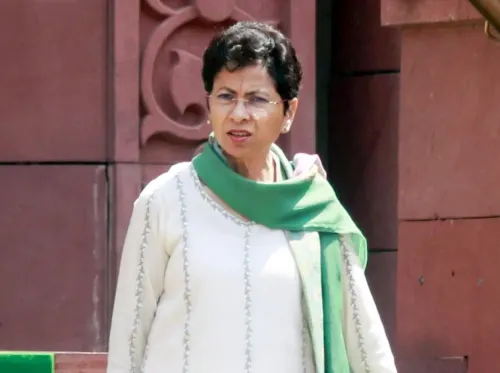
Congress MP Manish Tiwari on Friday, 18 September raised sharp concern over the killing of Assistant Sub-Inspector (ASI) Harjit Singh in Amritsar, stating the incident was evidence that the law and order situation in Punjab was 'not normal' and urging stronger action from both the Centre and the state government.
How the Attack Unfolded
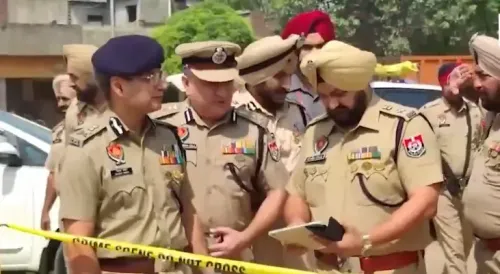
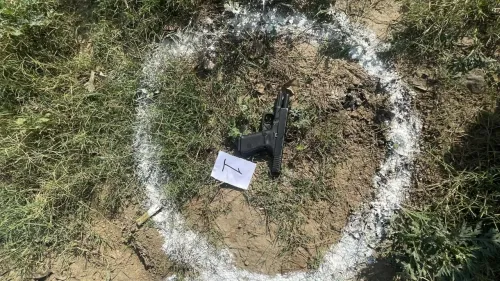
According to police, ASI Harjit Singh was shot dead by two unidentified motorcycle-borne assailants while on duty at the Grain Market in Bhagtanwala, Amritsar. The attack occurred at approximately 3 a.m., when the men approached the officer and fired multiple bullets at him from point-blank range. Singh was rushed to a nearby private hospital, where he was declared brought dead. He was a resident of Tarn Taran district. Police have launched an investigation into the circumstances of the shooting and the identity of the perpetrators.
What Manish Tiwari Said
Reacting to the killing, Tiwari described it as 'extremely sad and unfortunate' that a policeman was shot multiple times and lost his life on duty. 'It clearly shows that the law and order situation is not normal. Punjab is a border state, and there is interference from external forces, particularly our neighbouring country Pakistan. Drugs and weapons also come through drones,' he said. Tiwari stressed that maintaining a robust law and order environment in Punjab was the joint responsibility of both the Central and state governments, given the state's border location and the persistent challenges posed by drug and weapons trafficking.
The Narco-Terrorism Warning
Tiwari also addressed Punjab's ongoing drug crisis, invoking the term 'narco-terrorism' to describe what he characterised as a coordinated campaign to destabilise the state following the end of the era of militancy in 1995. 'When the era of terrorism ended in Punjab in 1995, Pakistan started an era of narco-terrorism. It took about one-and-a-half decades for people to fully understand what was happening,' he said. He noted that by 2009-2010, the pattern had become clearer and successive governments had attempted to counter it. Tiwari cautioned that anyone denying Punjab's drug problem today was 'misleading the people of Punjab', and extended the concern to the wider northern region — including Chandigarh, Himachal Pradesh, Jammu and Kashmir, and Haryana.
Tiwari on ECI's TMC Symbol Order
In a separate statement, Tiwari responded to the Election Commission of India's (ECI) interim order freezing the All India Trinamool Congress (TMC) party name and election symbol. He alleged the move was 'actuated by mala fide' and undermined the essence of parliamentary democracy, noting that the symbol had been in existence since the party's founding in the 1990s. 'The order will have to be studied in detail, and once we study the order in detail, we will come back with a more structured response,' he said.
What Happens Next
The killing of a serving police officer in Amritsar adds pressure on the Aam Aadmi Party (AAP)-led Punjab government to demonstrate credibility on internal security. This comes amid sustained concerns about cross-border smuggling of drugs and weapons — a pattern that security analysts say has intensified with the use of drones along the India-Pakistan border. Investigative leads in the Harjit Singh case are expected to determine whether the attack was gang-related or had deeper links to organised crime networks.
Point of View
But it is not factually wrong: Punjab's exposure to drone-delivered contraband from across the border is a documented and growing challenge. The real accountability question is whether the AAP government's policing strategy has kept pace with a threat that has evolved well beyond the traditional smuggling route. A slain ASI and two unidentified shooters still at large is not the report card Punjab's citizens need.
NationPress
18 Sept 2026
Frequently Asked Questions
Who was ASI Harjit Singh and how was he killed?
ASI Harjit Singh was a serving Punjab Police officer and a resident of Tarn Taran district. He was shot dead by two unidentified motorcycle-borne men at approximately 3 a.m. on 18 September while on duty at the Grain Market in Bhagtanwala, Amritsar; he was declared brought dead at a nearby private hospital.
What did Congress MP Manish Tiwari say about the Amritsar killing?
Manish Tiwari described the killing as 'extremely sad and unfortunate' and said it clearly showed that Punjab's law and order situation was 'not normal.' He called for stronger action by both the Centre and the state government, citing cross-border interference from Pakistan and the flow of drugs and weapons through drones.
What is narco-terrorism and why did Tiwari raise it in Punjab's context?
Narco-terrorism refers to the use of drug trafficking to fund or support destabilisation efforts. Tiwari argued that after the end of militancy in Punjab in 1995, Pakistan pivoted to narco-terrorism, and that by 2009-2010 the pattern of a coordinated conspiracy to weaken Punjab had become clear to the public.
Has anyone been arrested for the killing of ASI Harjit Singh?
As of the latest reports, no arrests have been made. Police have launched an investigation into the circumstances of the shooting and the identity of the two assailants, who fled the scene on a motorcycle.
What did Tiwari say about the Election Commission freezing the TMC symbol?
Tiwari alleged that the Election Commission of India's interim order freezing the Trinamool Congress name and election symbol was 'actuated by mala fide' and undermined parliamentary democracy, noting the symbol had existed since the party's founding in the 1990s. He said his party would issue a more detailed response after studying the order.