CM Himanta flags Barpeta drug bust worth ₹2.44 crore
Synopsis
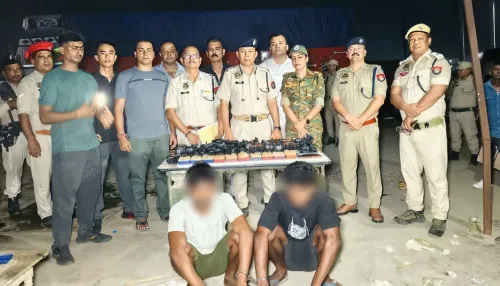
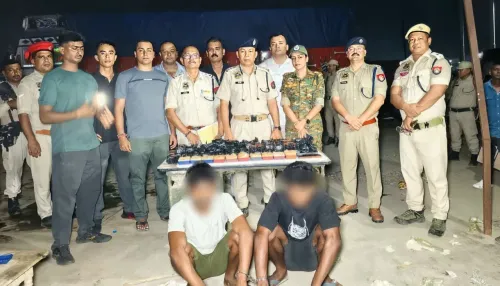
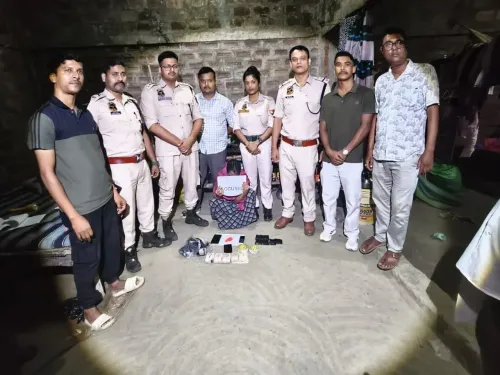
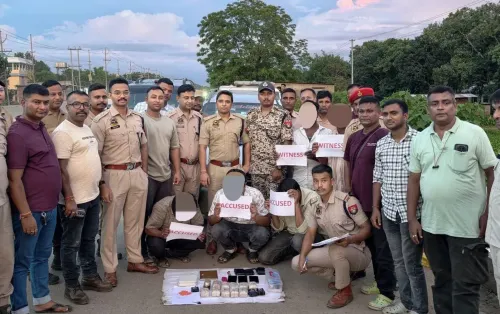
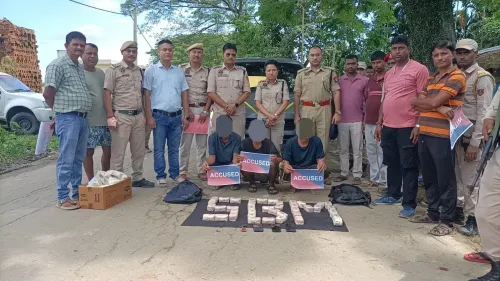
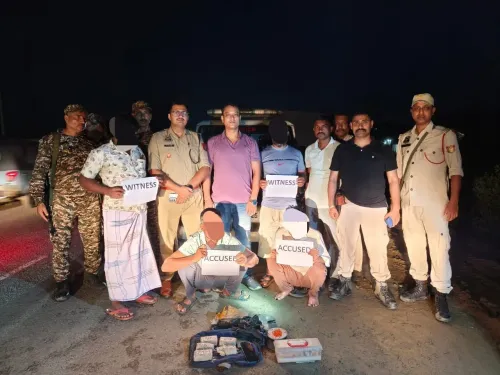
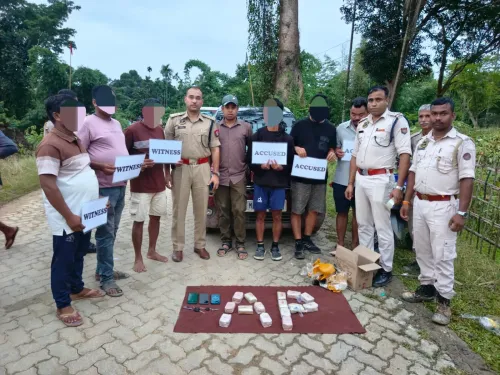
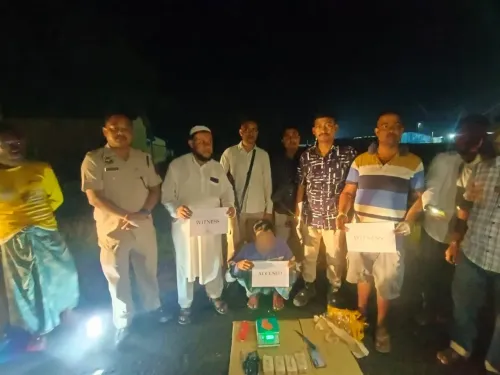
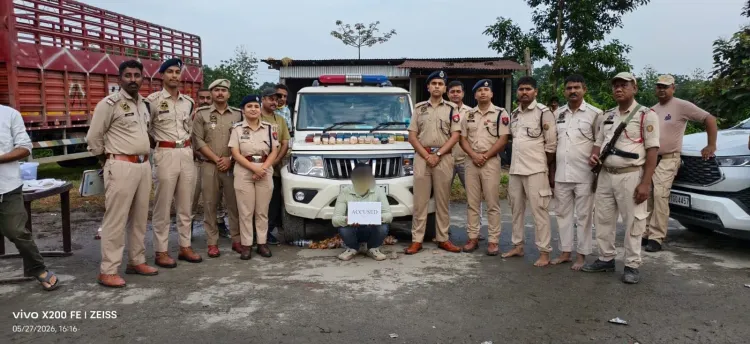
Barpeta Police in Assam seized drugs worth ₹2.44 crore — including 671 gm heroin and 22,000 YABA tablets — from a truck with a hidden cavity, in a bust publicly flagged by Chief Minister Himanta Biswa Sarma under the ongoing #AssamAgainstDrugs campaign.
Key Takeaways
₹2.44 crore worth of narcotics recovered from a truck in Barpeta district , Assam, on 28 May 2026 .
Seized contraband included 671 gm of heroin and 22,000 YABA tablets hidden in a secret cavity inside the vehicle.
Barpeta Police conducted the interception; the operation was publicly announced by CM Himanta Biswa Sarma on X.
Assam lies on a key trafficking corridor linking the Golden Triangle to the Indian interior via Manipur and Mizoram.
The seizure is part of the state's sustained #AssamAgainstDrugs enforcement campaign active since 2021.
Authorities are expected to pursue upstream supply-chain investigations in coordination with the Narcotics Control Bureau .
Assam Chief Minister Himanta Biswa Sarma on Thursday, 28 May 2026, publicly flagged a significant narcotics seizure by Barpeta Police, announcing the recovery of drugs worth ₹2.44 crore — including 671 gm of heroin and 22,000 YABA tablets — from a truck that had concealed the contraband inside a secret cavity.
Context
The seizure took place in Barpeta district, located in western Assam, after police intercepted a truck suspected of carrying hidden contraband. According to the Chief Minister's post, the drugs were stashed inside a purpose-built secret cavity in the vehicle — a method commonly used by trafficking networks to evade routine checks. Barpeta Police made the arrest and recovery, with CM Sarma describing the bust with characteristic directness: 'Another truck entered Assam carrying a special delivery hidden inside a secret cavity. Unfortunately for them, Barpeta Police had already booked the return journey.'
The seizure included two distinct narcotics: heroin, a high-value opiate, and YABA tablets — a methamphetamine-caffeine combination that has become increasingly prevalent across northeastern India. The combined street valuation of the haul was placed at ₹2.44 crore.
Policy Backdrop
Assam sits astride established trafficking corridors that channel opiates and synthetic drugs from the Golden Triangle — the Myanmar-Laos-Thailand border zone — through Manipur and Mizoram into the Indian hinterland. Since CM Sarma took office in 2021, the state government has made narcotics enforcement a headline governance priority, conducting repeated high-profile seizures and running public awareness campaigns under the #AssamAgainstDrugs initiative.
The consistent publicisation of drug busts by the Chief Minister's office is part of a deliberate communications strategy: each seizure is announced with specifics — weight, tablet count, rupee valuation — to signal operational effectiveness and deter trafficking networks. This approach has positioned Assam Police as a frontline agency in the national anti-narcotics effort, often acting ahead of or alongside central agencies.
Stakeholders and Impact
Assam's youth are the primary intended beneficiaries of sustained anti-narcotics enforcement; state authorities have repeatedly cited drug abuse among young people as a social and public-health crisis. Barpeta district, as a western Assam transit point, faces particular exposure to cross-border trafficking flows. Each successful interception disrupts supply chains that feed both local consumption and onward distribution into the broader northeastern and eastern Indian markets.
For Assam Police, the bust reinforces institutional credibility and sustains political support for resource-intensive enforcement operations. The use of a secret vehicle cavity also signals that trafficking networks are adapting their concealment techniques, raising the operational stakes for law enforcement.
What's Next
Analysts and officials are watching for deeper coordination between Assam Police and the Narcotics Control Bureau (NCB) to trace the supply chain upstream — identifying source networks in Myanmar and transit handlers in neighbouring states. Any state assembly statements on enhanced border surveillance or new anti-narcotics legislation would mark the next legislative phase of the #AssamAgainstDrugs campaign.
With trafficking networks demonstrating continued ingenuity in concealment, the pressure on Assam's enforcement agencies to upgrade detection capabilities — including scanning technology at key entry corridors — is likely to intensify in the months ahead.
Point of View
Building both deterrence and political capital. The detail about a 'secret cavity' in the truck is significant: it signals that trafficking networks are investing in more sophisticated concealment, which in turn pressures the state to upgrade detection infrastructure beyond conventional checks. Assam's role as a Golden Triangle transit state means these operations have national security implications that extend well beyond state borders. Sustained success will ultimately depend on whether upstream interdiction — targeting source networks in Myanmar — can match the pace of state-level seizures.
NationPress
20 Sept 2026
Frequently Asked Questions
What drugs were seized in Barpeta Assam in May 2026?
Barpeta Police seized 671 gm of heroin and 22,000 YABA tablets, with a combined value of ₹2.44 crore, from a truck found to have a secret cavity concealing the contraband.
What is the #AssamAgainstDrugs campaign?
#AssamAgainstDrugs is an ongoing anti-narcotics initiative by the Assam state government, launched under Chief Minister Himanta Biswa Sarma since 2021, combining police enforcement operations with public awareness to curb drug trafficking and abuse in the state.
Why is Assam a major drug trafficking route in India?
Assam borders Myanmar-linked corridors through Manipur and Mizoram that connect the Golden Triangle — a major global source of heroin and synthetic drugs — to the Indian mainland, making it a critical transit zone for trafficking networks.
What are YABA tablets and why are they seized in northeast India?
YABA is a tablet combining methamphetamine and caffeine, manufactured primarily in Myanmar. It is smuggled in large quantities through northeastern India due to the region's proximity to Golden Triangle production zones.
How does Assam Police detect drugs hidden in trucks?
Assam Police uses intelligence-led operations, vehicle inspections, and checkpoint surveillance to detect contraband. The Barpeta seizure involved identifying a purpose-built secret cavity inside the truck, indicating increasingly sophisticated trafficking methods that authorities continue to counter.