Assam CM Himanta visits flood-hit Mangaldoi as Noa River breaches banks
Synopsis
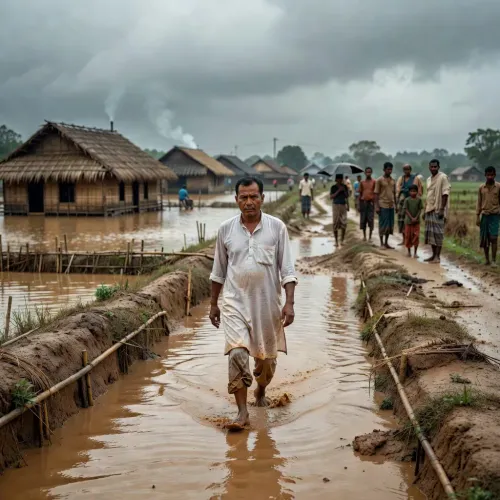
Assam Chief Minister Himanta Biswa Sarma visited flood-hit Mangaldoi in Darrang district on August 9, 2026, after the Bhutan-fed Noa River breached its embankment — the latest episode in Assam's chronic cycle of transboundary monsoon flooding.
Key Takeaways
CM Himanta Biswa Sarma visited Mangaldoi in Darrang district on August 9, 2026 to assess flood damage.
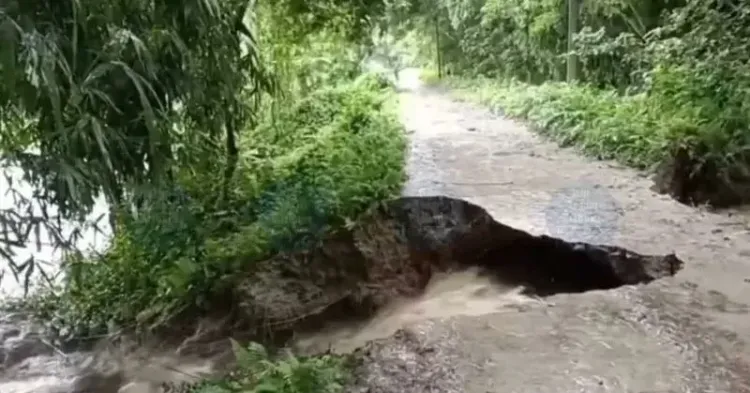
The Noa River , which originates in Bhutan , breached its embankment causing inundation in the town.
Mangaldoi is the headquarters of Darrang, one of Assam's most flood-prone districts.
Transboundary rivers from Bhutan are a recurring driver of seasonal flooding across Assam's border districts.
Central schemes such as the Flood Management Programme have funded embankment work in Assam for years, though breaches remain frequent.
Embankment restoration progress and any long-term drainage or dredging announcements are the key developments to watch.
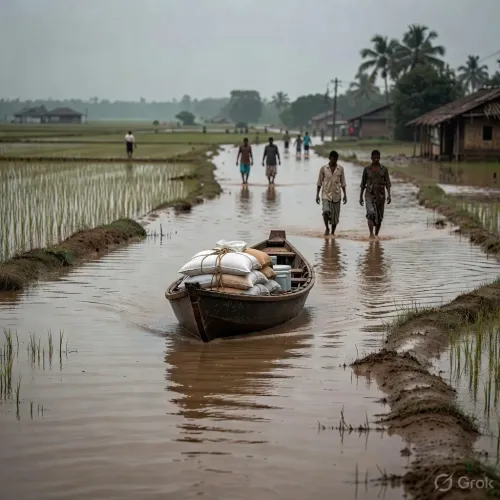
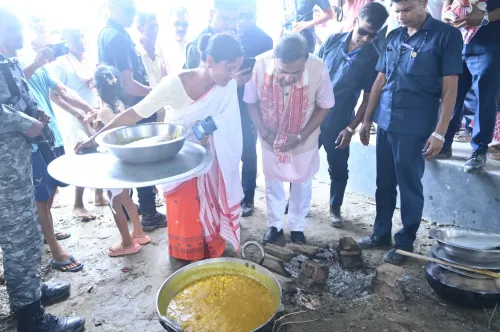
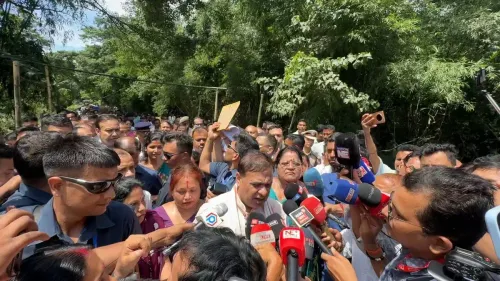
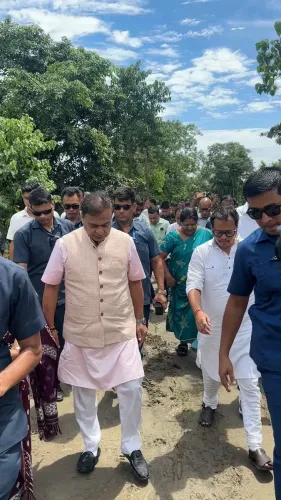
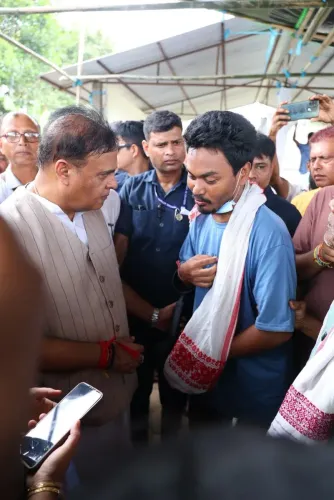
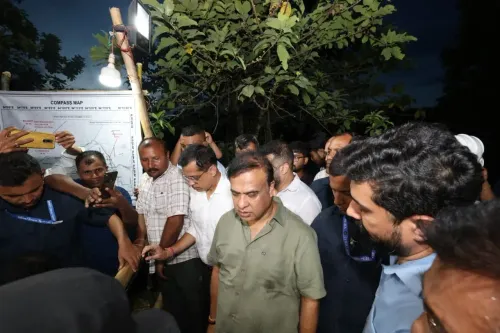
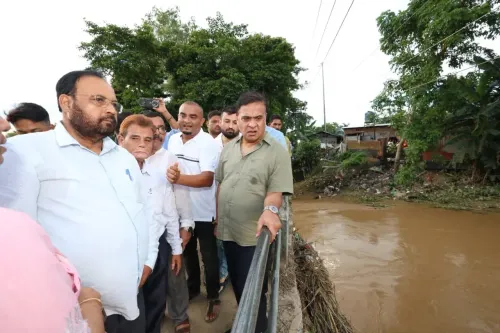
When the Noa River — fed by rains deep inside Bhutan — tore through its embankment and swamped Mangaldoi, Assam Chief Minister Himanta Biswa Sarma was on the ground. The Chief Minister's Office of Assam confirmed on Sunday, August 9, 2026 that the CM had visited the flood-hit town in Darrang district to assess the breach and the damage left in its wake.
A river with no regard for borders
The Noa River originates in Bhutan and carries the weight of the eastern Himalayas' monsoon runoff straight into Assam's low-lying plains. Embankment failures on transboundary rivers like the Noa are a recurring feature of the state's flood calendar — the breach at Mangaldoi follows a pattern that Darrang district has endured for decades.
Mangaldoi, the district headquarters of Darrang, sits in one of Assam's most flood-vulnerable corridors. When rivers like the Noa breach, the inundation is swift and the displacement of residents near-immediate.
CM Sarma on the ground in Darrang
Chief Minister Himanta Biswa Sarma, who has made on-site disaster visits a signature of his governance style since taking office in 2021, travelled to Mangaldoi to take stock of the situation directly. Ground-level visits by the CM typically precede decisions on emergency relief deployment, embankment repair mobilisation, and coordination with the Darrang district administration.
The scale of damage from the current breach — the extent of inundated area, the number of displaced residents, and the structural condition of the embankment — had not been officially detailed at the time of the post.
Bhutan's rivers and Assam's long flood reckoning
Assam's vulnerability to transboundary flooding is structural, not seasonal. Rivers originating in Bhutan and Arunachal Pradesh drain into the Brahmaputra basin with a force that existing embankments — many ageing and under-maintained — struggle to contain. The central government's Flood Management Programme has funded embankment construction and repair across the state for years, yet breaches remain a near-annual reality in border districts.
What changes the equation is sustained bilateral coordination with Bhutan on real-time water data sharing and upstream management — a conversation that successive Assam governments have raised but that has yet to produce a durable flood-control framework.
The next critical markers: whether the Mangaldoi embankment breach is repaired before further rainfall intensifies, and whether this visit triggers a formal push for long-term drainage or dredging intervention in Darrang.
Point of View
Signalling state responsiveness even when structural solutions remain elusive. The Noa River breach, however, points to a deeper policy gap: Assam's embankment infrastructure was not built to absorb the intensity of rainfall that climate patterns now deliver from Bhutan's catchment areas. Until bilateral water-data sharing with Bhutan is institutionalised and ageing embankments are systematically upgraded, ground visits will remain the state's most visible — but least sufficient — response to a problem that is growing, not shrinking.
NationPress
9 Aug 2026
Frequently Asked Questions
Why did Assam CM visit Mangaldoi on August 9 2026?
Chief Minister Himanta Biswa Sarma visited Mangaldoi in Darrang district to assess flood damage after the Noa River breached its embankment, inundating parts of the town.
Which river caused flooding in Mangaldoi Assam?
The Noa River, which originates in Bhutan and flows through Assam's Darrang district, breached its embankment and caused flooding in Mangaldoi.
Why does Assam flood every year from Bhutan rivers?
Rivers like the Noa carry heavy monsoon runoff from Bhutan's Himalayan catchment into Assam's low-lying plains. Ageing embankments and the absence of a robust bilateral flood-management framework with Bhutan make annual breaches a near-certainty.
What is the Flood Management Programme in Assam?
The Flood Management Programme is a central government scheme that funds embankment construction, repair, and drainage improvement in flood-prone states including Assam, though repeated breaches indicate the infrastructure gap remains large.
Is Mangaldoi in Darrang district Assam?
Yes, Mangaldoi is the headquarters of Darrang district in Assam and is one of the state's most flood-vulnerable towns due to its proximity to transboundary rivers.