CM Sarma Launches Assam Premier League for Young Cricketers
Synopsis
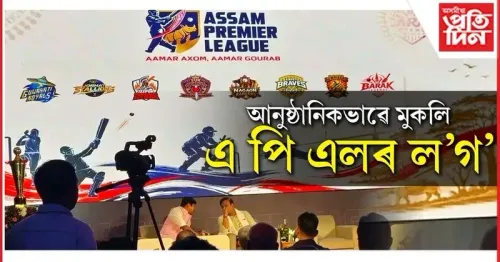
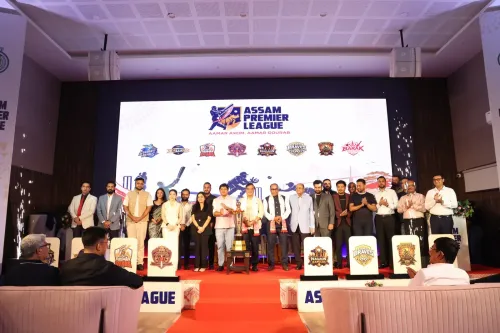
The Chief Minister's Office of Assam announced the Assam Premier League on 22 June 2026, creating a competitive cricket platform for emerging players in the state. The move by CM Himanta Biswa Sarma continues a national trend of state-level IPL-style leagues aimed at building local talent pipelines.
Key Takeaways
The Chief Minister's Office of Assam announced the Assam Premier League on 22 June 2026 to create a competitive cricket platform for emerging state players.
Chief Minister Himanta Biswa Sarma , in office since May 2021 , has made sports promotion a visible part of his administration's youth agenda.
The league follows a national trend of Indian states launching IPL-modelled domestic competitions to build local talent pipelines.
The Khelo India scheme, launched by the Government of India in 2017 , provides the national policy backdrop for such state-level sports investments.
Operational details — including league format, franchises, player selection, and Assam Cricket Association involvement — are yet to be officially disclosed.
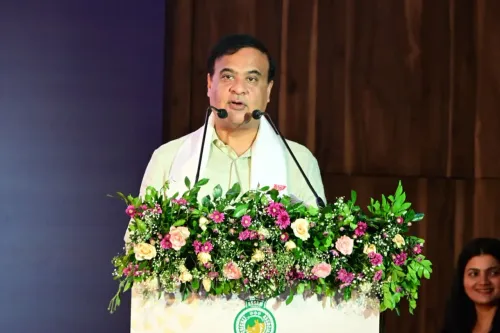
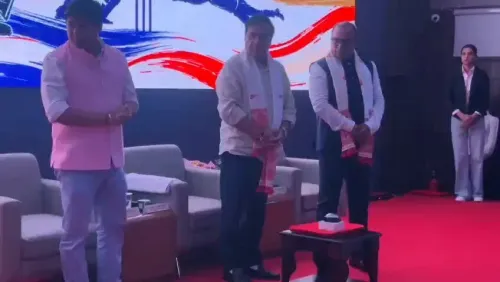
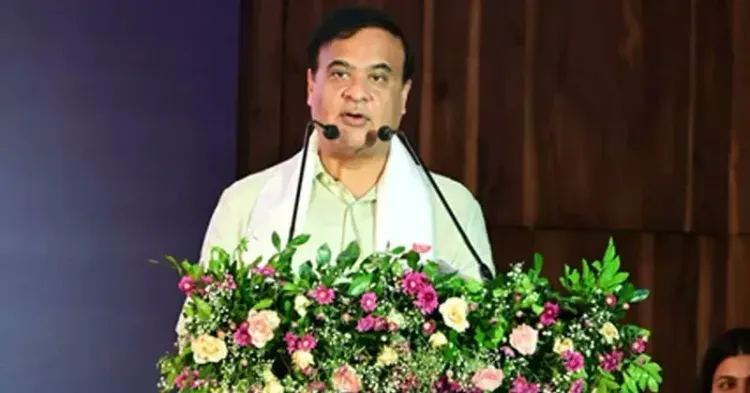
The Chief Minister's Office of Assam announced on Monday, 22 June 2026 that the Assam Premier League will be established as a dedicated platform for emerging cricketers in the state, signalling a significant push by the Himanta Biswa Sarma-led government to build a competitive domestic cricket ecosystem in the northeast.
Context
The announcement positions the Assam Premier League as a structured avenue for young cricketers in the state to showcase their talent at a competitive level. Assam has long produced cricketers who struggle to find consistent match exposure between domestic BCCI tournaments, and a state-level league format is intended to bridge that gap.
Chief Minister Himanta Biswa Sarma, who has been in office since May 2021, has made sports promotion a visible pillar of his administration's youth-engagement agenda. The league announcement fits within a broader pattern of state governments creating IPL-style competitive structures to energise local sports ecosystems.
Policy Backdrop
The Government of India launched the Khelo India scheme in 2017 to promote grassroots sports and talent identification across states, providing a national policy framework within which state-level initiatives like the Assam Premier League can be contextualised. Several Indian states have used similar domestic league models to build talent pipelines outside the standard BCCI calendar.
Assam, as a northeastern state, has historically faced logistical and infrastructural challenges in giving its cricketers adequate competitive exposure. A state premier league, if structured effectively, could address those gaps by offering regular match practice and visibility to players who might otherwise miss selection radars.
Stakeholders and Impact
The primary beneficiaries of the Assam Premier League are the state's emerging cricketers — young players who currently depend on the Ranji Trophy cycle and limited state-association tournaments for competitive cricket. A dedicated league format would expand the number of competitive matches available to them annually.
The Assam Cricket Association and any potential franchise partners would be key institutional stakeholders whose involvement will shape the league's credibility and reach. Youth from districts beyond Guwahati stand to gain if the league incorporates decentralised selection or regional franchises, widening access across the state.
What's Next
Details on the league's format, number of teams, franchise structure, player selection process, and any formal coordination with the Assam Cricket Association or the Board of Control for Cricket in India are yet to be officially disclosed. The government is expected to follow up with operational specifics as the league moves from announcement to implementation.
If the Assam Premier League takes shape as a sustainable annual competition, it could serve as a replicable model for other northeastern states seeking to invest in cricket infrastructure — and strengthen the region's representation in national-level squads over the coming years.
Point of View
And a cricket league carries outsized cultural resonance in a cricket-mad country. The broader pattern of state governments launching IPL-modelled leagues suggests this is becoming standard political playbook in India, though the real test lies in execution, sustainability, and whether the league produces cricketers who graduate to national circuits.
NationPress
20 Sept 2026
Frequently Asked Questions
What is the Assam Premier League?
The Assam Premier League is a state-level cricket competition announced by the Assam government on 22 June 2026, designed to provide emerging cricketers in the state with a structured competitive platform.
Who announced the Assam Premier League?
The Chief Minister's Office of Assam announced the league, with Chief Minister Himanta Biswa Sarma credited with the initiative.
How will the Assam Premier League help young cricketers?
It aims to give emerging cricketers in Assam regular competitive match exposure beyond the existing BCCI domestic calendar, helping them gain visibility for higher-level selection.
Is the Assam Premier League affiliated with the BCCI?
No formal BCCI affiliation has been announced. The involvement of the Assam Cricket Association and any BCCI coordination are among the operational details yet to be disclosed.
When will the Assam Premier League begin?
An exact launch timeline has not been officially confirmed. The government is expected to release format and scheduling details in subsequent announcements.