ASTC buses get GPS tracking, SOS buttons under Assam's ITMS rollout

Synopsis
Assam is fitting its state-run ASTC buses with GPS trackers, panic SOS buttons linked to control centres, and digital ticketing under a new ITMS framework — positioning the northeast state as a rare example of a state government using technology to directly address women's safety on public transport.
Key Takeaways
Assam State Transport Corporation (ASTC) buses are being equipped with an Intelligent Transport Management System (ITMS) .
Real-time GPS tracking will allow continuous monitoring of bus movements by authorities and passengers.
Emergency SOS/panic buttons inside buses will be directly linked to control centres, with a focus on women's safety .
Automated ticketing and e-payment facilities will replace conventional cash-based ticketing processes.
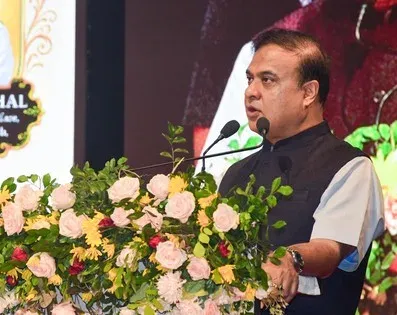
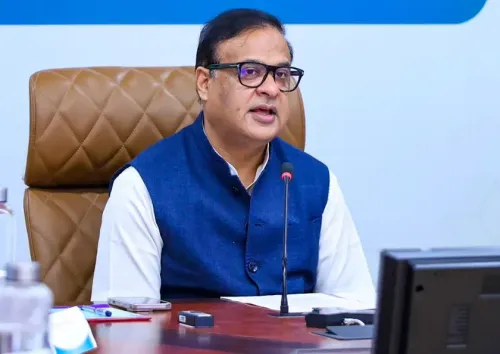
Chief Minister Himanta Biswa Sarma announced the initiative on Tuesday, 15 September 2026 .
The rollout targets improved fleet scheduling, operational efficiency , and emergency response across the ASTC network.
The Assam State Transport Corporation (ASTC) is deploying an Intelligent Transport Management System (ITMS) across its bus fleet in Guwahati and beyond, equipping vehicles with real-time GPS tracking, emergency SOS buttons, and automated digital ticketing to modernise public transport safety and efficiency in the state.
What ITMS Brings to ASTC Buses
Chief Minister Himanta Biswa Sarma on Tuesday said the state's buses are being made 'not just smarter, but incredibly safer' through the adoption of the new system. The ITMS framework integrates several technology layers into daily fleet operations, marking a significant departure from the largely manual systems currently in use.
At the core of the initiative is real-time GPS tracking, which will allow both transport authorities and passengers to monitor bus movements continuously. This is expected to improve fleet management, reduce idle time, and give commuters greater visibility over arrival and departure schedules.
Emergency SOS and Women's Safety
A particularly notable element of the ITMS rollout is the introduction of emergency panic and SOS buttons inside each bus. According to information shared by the Chief Minister, these buttons will be directly linked to control centres, enabling faster emergency response. The government has specifically highlighted the benefit for women passengers, for whom personal safety on public transport has been a longstanding concern across Indian cities and towns.
This comes amid a broader national push to strengthen women's safety on public transport, and Assam's move places it among states taking a technology-led approach to the issue.
Smarter Scheduling and Digital Ticketing
Beyond safety, the ITMS is designed to support smarter scheduling that could reduce passenger waiting times by optimising route management in real time. The system will also enable automated ticketing and e-payment facilities, reducing reliance on conventional cash-based ticketing and bringing digital payment options to everyday commuters — including those in smaller towns and rural areas where ASTC buses serve as a primary link to urban centres.
Significance for Assam's Public Transport
Assam has been steadily expanding technology adoption across public services, and the ITMS rollout represents one of the more comprehensive interventions in state-run transport infrastructure. Public buses remain a critical mode of connectivity in Assam, particularly for routes linking district headquarters with remote communities.
Real-time monitoring is also expected to help authorities identify operational delays and respond more effectively to on-road incidents. Officials say the overhaul is intended to make ASTC more accountable, more responsive, and safer for all passengers.
The full scale of the deployment — including how many buses will be covered and the rollout timeline — has not yet been officially specified. How quickly the SOS infrastructure is operationally linked to control centres will be a key indicator of the initiative's real-world impact.
Point of View
But the devil is in deployment. Panic buttons linked to control centres sound reassuring — yet their effectiveness depends entirely on whether those centres are staffed around the clock and have the response protocols to act within minutes, not hours. Assam's ambition is clear; what is less clear is the rollout timeline and how many buses will actually be covered in the first phase. State transport corporations across India have a mixed history with technology upgrades that are announced at scale but implemented piecemeal. The digital ticketing component could also face adoption friction in rural routes where cash remains dominant. The initiative deserves credit for centering women's safety explicitly, but the government will need to publish verifiable metrics — SOS response times, fleet coverage percentages — for the initiative to be assessed on outcomes rather than announcements.
NationPress
15 Sept 2026
Frequently Asked Questions
What is the Intelligent Transport Management System being rolled out in Assam?
The Intelligent Transport Management System (ITMS) is a technology upgrade being deployed on Assam State Transport Corporation (ASTC) buses, integrating real-time GPS tracking, emergency SOS buttons, smart scheduling, and digital ticketing. It was announced by Chief Minister Himanta Biswa Sarma on 15 September 2026 with the aim of improving passenger safety and operational efficiency.
How will the SOS panic buttons on ASTC buses work?
Emergency panic and SOS buttons inside ASTC buses will be directly linked to control centres, enabling faster emergency response from authorities. The feature is specifically highlighted as a safety measure for women passengers travelling on state-run buses.
Will ASTC buses support digital payments under the new system?
Yes, the ITMS includes automated ticketing and e-payment facilities that will reduce reliance on conventional cash-based ticketing. This is intended to bring digital payment options to everyday commuters, including those on rural routes.
Why does this ITMS rollout matter for Assam?
Public buses are a critical mode of transport in Assam, connecting urban centres with smaller towns and remote rural communities. The ITMS aims to make ASTC operations more accountable and safer, particularly for women, while improving schedule reliability across the network.
How many ASTC buses will get the ITMS upgrade and when?
The full scale of the deployment — including the exact number of buses to be covered and the phased rollout timeline — has not yet been officially specified by the Assam government.