Will Bengal SIR's Hearing Deadlines Be Extended?
Synopsis
In a surprising turn of events, the deadlines for hearings and the publication of the final voters’ list in West Bengal may be extended following a directive from the Supreme Court. This decision could significantly impact the electoral landscape and ensure transparency in the ongoing Special Intensive Revision of electoral rolls.
Key Takeaways
Supreme Court may extend deadlines for hearing sessions regarding voters’ list.
High number of logical discrepancies in West Bengal raises concerns.
ECI aims to conduct transparent verification of electoral rolls.
Potential implications for voters' rights and electoral integrity.
A final decision is expected by Wednesday from the Commission.
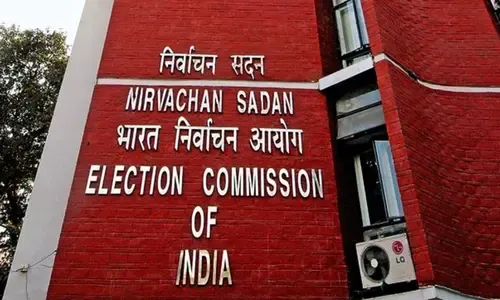
Kolkata, Jan 20 (NationPress) The deadlines for finalizing the hearing sessions regarding claims and objections on the draft voters’ list in West Bengal, as well as the publication of the final voters’ list, could be prolonged following a recent directive from the Supreme Court.
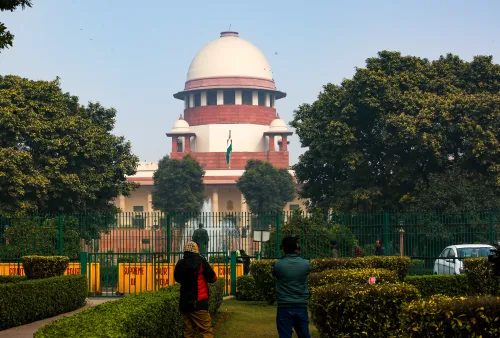
On Monday, the Supreme Court issued several guidelines to the Election Commission of India (ECI) to guarantee that the ongoing Special Intensive Revision (SIR) of electoral rolls in West Bengal, particularly the verification of voters under the “logical discrepancies” category, is carried out in a transparent manner without imposing undue hardship on the public.
Insiders from the Chief Electoral Officer (CEO) office in West Bengal indicated that a final decision on this matter may be made by Wednesday.
Currently, the deadline for completing the hearing process is set for February 7, while the final voters’ list is scheduled for publication on February 14.
“The Commission may decide on Wednesday whether to extend the deadlines for completing the hearing sessions and publishing the final voters’ list. If the hearing sessions are extended, it would logically follow that the deadline for the publication of the draft voters’ list would also be extended,” stated an insider from the CEO’s office.
However, it remains uncertain whether these deadline extensions will apply solely to West Bengal or also to other states and Union Territories where similar Special Intensive Revision (SIR) processes are underway.
Since the commencement of hearings regarding claims and objections on the draft voters’ list, West Bengal has consistently made national news due to the exceptionally high number of “logical discrepancy” cases, which involve voters with unusual family-tree data discovered during “progeny mapping”.
The ECI has already clarified the reasons behind the unusually high number of “logical discrepancies” flagged in the state.
Approximately 94 lakh “logical discrepancy” cases have been identified in West Bengal, referring to anomalies found during progeny mapping, where implausible or inconsistent family relationships appear in voter records.
Officials from the CEO’s office have provided various examples to demonstrate how fraudulent voters attempted to maintain their names on the electoral roll by falsely connecting themselves to unrelated legitimate voters.
There have been instances where eight to ten voters were recorded as the sons or daughters of a single senior citizen during progeny mapping. However, during hearings, it was revealed that the senior citizen had only two children and no blood ties to most of those listed as his offspring.
Officials noted that such manipulation was intended to ensure that fraudulent voters remained on the rolls by posing as siblings within a fabricated family structure linked to a genuine voter.
In another case, the Commission encountered a 64-year-old senior citizen voter who was recorded as having two sons aged 60 and 59. This would imply that the voter became a father at the age of five. Subsequent verification confirmed that both individuals listed as his sons were fraudulent voters who had falsely connected themselves to the legitimate voter to evade removal from the electoral roll.
Point of View
It is essential to uphold the integrity of the electoral process. The potential extension of deadlines for hearings and the final voters’ list publication reflects a commitment to ensuring that every citizen's voice is heard. This approach aligns with our dedication to transparency and accountability in governance, crucial for a functioning democracy.
NationPress
22 Sept 2026
Frequently Asked Questions
What is the Special Intensive Revision (SIR)?
The Special Intensive Revision (SIR) is a process initiated by the Election Commission of India to update and verify electoral rolls, ensuring that they reflect accurate and current information about voters.
Why are there so many 'logical discrepancy' cases in Bengal?
The high number of 'logical discrepancies' in West Bengal is attributed to anomalies found during progeny mapping, where implausible family relationships appear in voter records.
What could happen if the deadlines are extended?
If the deadlines for hearings are extended, it is expected that the publication date for the final voters’ list will also be postponed, allowing for thorough verification and transparency.
How does this affect voters in West Bengal?
This could impact voters by ensuring that their claims and objections are adequately heard and addressed before the final voters’ list is published, thereby upholding the integrity of the electoral process.
Will the extension apply to other states as well?
It is currently unclear whether the deadline extensions will apply only to West Bengal or also to other states and Union Territories undergoing similar revisions.