Bengal's 92.85% turnout is 'anger against Mamata': BJP MPs ahead of May 4 result
Synopsis
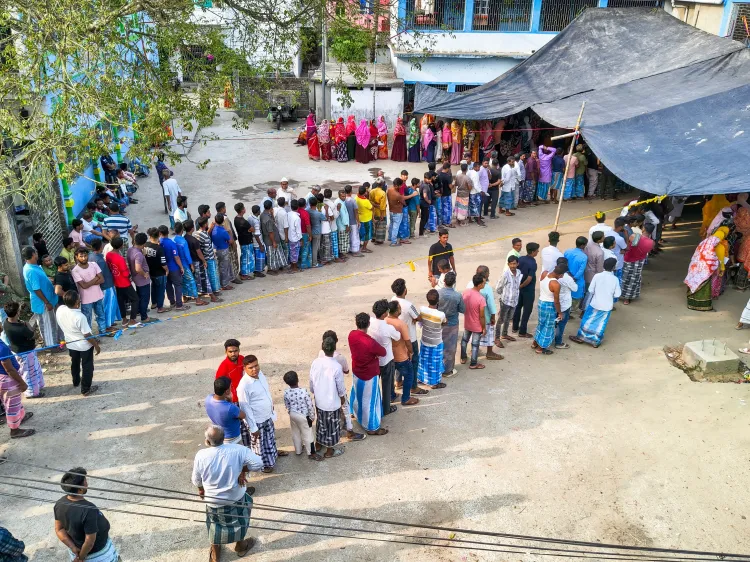
West Bengal's two-phase Assembly elections have logged a historic 92.85% average turnout — and BJP MPs are wasting no time framing it as a referendum against Mamata Banerjee's 15-year rule. With results due on 4 May, the battle over the turnout narrative has already begun.
Key Takeaways
West Bengal recorded an overall average turnout of 92.85% across two Assembly election phases — a historic high.
Phase 2, held on 29 April , covered 142 constituencies and logged 92.47% polling till midnight.
BJP MP Ram Kripal Yadav attributed the high turnout to "frustration and anger" against CM Mamata Banerjee and the TMC .
BJP MP Jagdambika Pal cited corruption, women's safety concerns, and the Women's Reservation Bill as key grievances.
Election results for West Bengal and Assam are due on 4 May .
Yadav said he does not rely on exit polls, despite most projecting a BJP edge.
Bharatiya Janata Party (BJP) members of Parliament on Thursday, 30 April attributed the record-breaking voter turnout in West Bengal's two-phase Assembly elections to what they described as widespread "anger and frustration" against Chief Minister Mamata Banerjee and her All India Trinamool Congress (TMC) government. The remarks came as the state braced for results on 4 May.
Record Turnout Figures
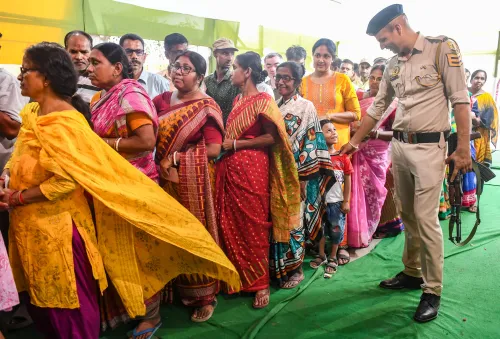
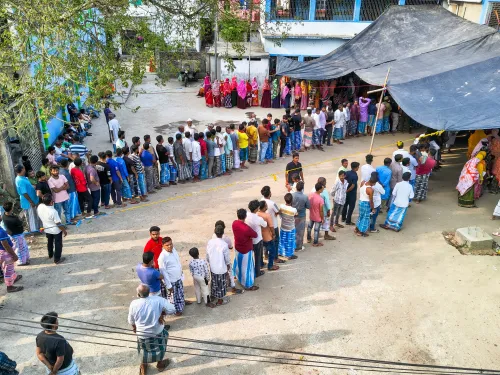
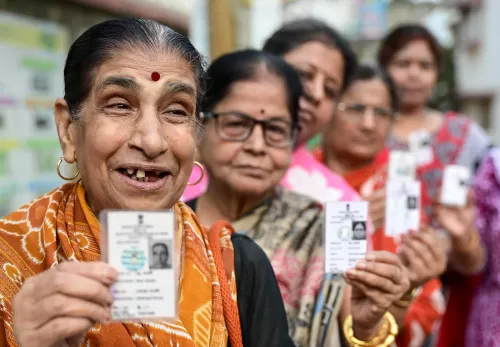
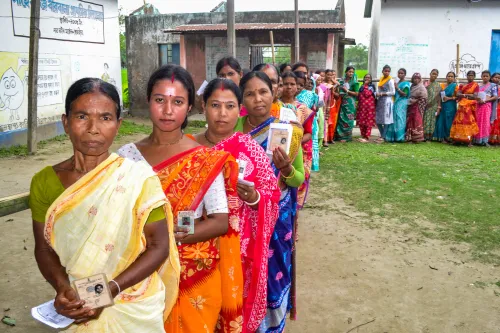
The second phase of polling, held on 29 April across 142 Assembly constituencies, recorded a turnout of 92.47% till midnight, according to official data. Combined with the first phase, the overall average across the two rounds reached a historic 92.85% — a record high for the state's Assembly elections.
What BJP MPs Said
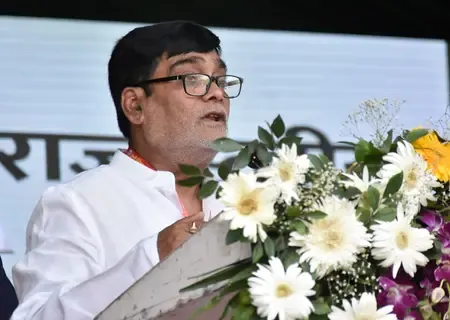
Speaking to news agency IANS, BJP MP Ram Kripal Yadav alleged that Banerjee had "exploited and looted Bengal for the past 15 years" and accused the TMC government of "misgovernance" and attacks on party workers. "Public mood and sentiment are clear in West Bengal, but we will know everything after the results on May 4. Mamata Banerjee's time is over," Yadav said.
He directly linked the high polling percentage to public discontent. "That is why the polling percentage was so high. The high voting was a result of frustration and anger against Mamata Banerjee and the Trinamool Congress," he alleged. Yadav also expressed confidence about BJP's prospects in Assam, where results are due simultaneously: "I am certain that our government will be formed in Assam, and there will be a change in West Bengal. There is no doubt about it."
BJP MP Jagdambika Pal echoed the allegations, citing "corruption, cut money, nepotism, poor law and order, and concerns over women's safety, including sexual assault in a medical college" as the drivers of voter anger. "For the past 15 years, there has been corruption... People have become fed up with all this," Pal told IANS.
Pal also pointed to dissatisfaction over the Women's Reservation Bill. "Women there know that on one hand they are unsafe in the city and on the other, efforts are being made to stop them from getting their rights," he claimed. He added: "There is now a strong wave for change in West Bengal. Mamata Banerjee will lose and BJP government will be formed in the state."
BJP's Caution on Exit Polls
Notably, despite a majority of exit polls projecting a clear edge for the BJP, Yadav said he does not place faith in poll predictions. The party's official position has been to wait for the actual count on 4 May before drawing conclusions.
Context and What's Next
This is not the first time high turnout in Bengal has been interpreted through a political lens. The state has historically recorded elevated polling figures, making it difficult to draw a direct causal line between turnout and anti-incumbency alone. The TMC has not yet formally responded to the BJP MPs' remarks. All eyes now turn to 4 May, when counting will determine whether the record turnout translates into a change of government or a renewed mandate for Banerjee.
Point of View
Not a reliable indicator of anti-incumbency alone — a nuance BJP's narrative conveniently sidesteps. The 92.85% figure is striking, but Bengal has historically outpaced national averages regardless of political winds. The more telling signal will be the booth-level breakdown on 4 May: whether the surge came from TMC strongholds or opposition-leaning constituencies. BJP's MPs are doing what opposition parties always do after high turnout — claim it. The TMC, equally, has done the same in past cycles. What's different this time is the specificity of the grievances cited: the medical college assault allegation and the Women's Reservation Bill add texture to what could otherwise be dismissed as routine campaign rhetoric.
NationPress
15 Sept 2026
Frequently Asked Questions
What was the voter turnout in West Bengal's 2021 Assembly elections?
The overall average turnout across both phases of the West Bengal Assembly elections reached a record 92.85%. The second phase, held on 29 April across 142 constituencies, recorded 92.47% polling till midnight.
Why are BJP MPs linking high turnout to anger against Mamata Banerjee?
BJP MPs Ram Kripal Yadav and Jagdambika Pal argued that the record turnout reflects public frustration over alleged corruption, misgovernance, poor law and order, and women's safety concerns under the TMC's 15-year rule. These are, however, the BJP's claims and have not been independently verified.
When will West Bengal election results be declared?
The results for the West Bengal Assembly elections are scheduled to be declared on 4 May, alongside results from Assam and other states that went to polls in the same election cycle.
Did exit polls favour BJP in West Bengal?
A majority of exit polls projected a clear edge for the BJP in West Bengal, though BJP MP Ram Kripal Yadav said he does not rely on poll predictions and is waiting for the actual count on 4 May.
What specific issues did BJP MPs raise against the TMC government?
BJP MPs cited corruption, 'cut money' culture, nepotism, poor law and order, women's safety — including an alleged sexual assault at a medical college — and dissatisfaction over the Women's Reservation Bill as key grievances driving voter turnout.