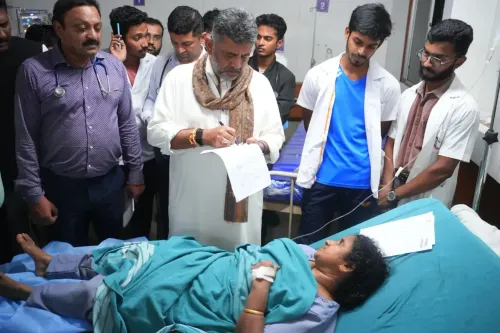
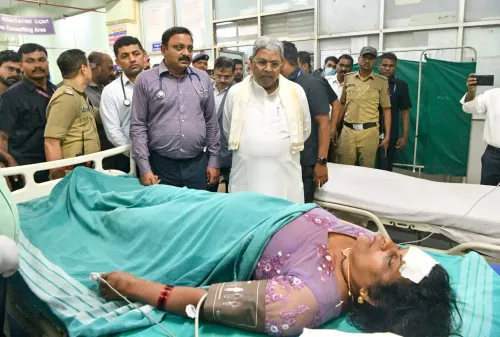
Bengaluru hospital wall collapse: DK Shivakumar denies negligence after 7 deaths
Synopsis
Seven people are dead after a hospital boundary wall collapsed in Bengaluru during heavy rains — and Deputy CM DK Shivakumar is pushing back hard on negligence claims. His explanation: an old wall, soil buildup, and trees. But with monsoon season approaching and rainfall forecast below normal, Karnataka's preparedness is already under scrutiny.
Key Takeaways
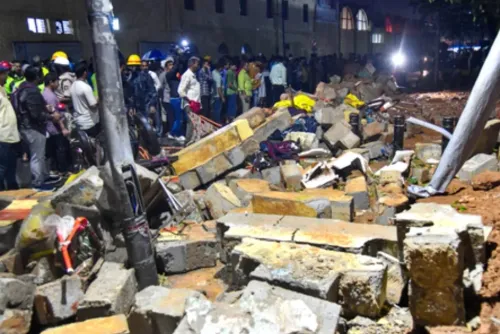
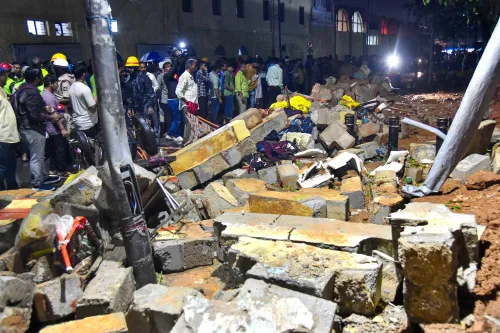
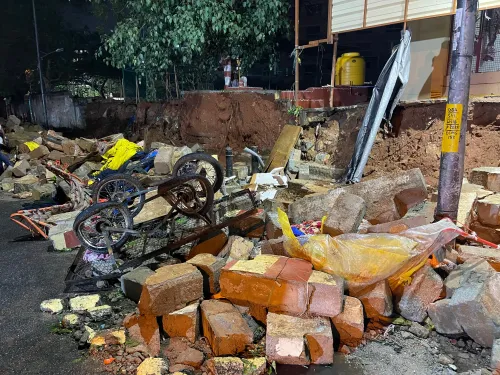
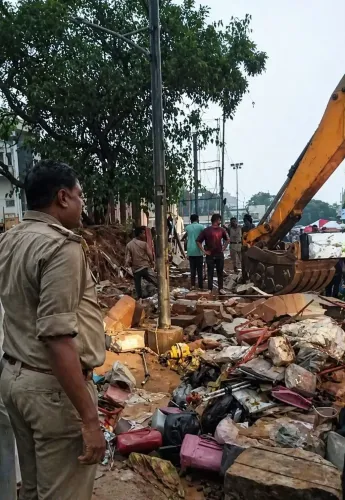
A hospital boundary wall in Bengaluru collapsed during heavy rains, hail, and thunderstorms on 30 April , killing seven people .
Shivakumar denied official negligence, attributing the collapse to the wall's age, accumulated soil, and trees planted alongside it.
Authorities have been directed to identify all vulnerable walls across Bengaluru and relocate street vendors from at-risk zones.
The government has warned of possible below-normal rainfall this year, which could affect dams and hydropower, including at Sharavathi .
Shivakumar is scheduled to visit the Tungabhadra dam on 3 May to review flood preparedness.
The Supreme Court has directed the release of 177 tmcft of water in the Cauvery matter.
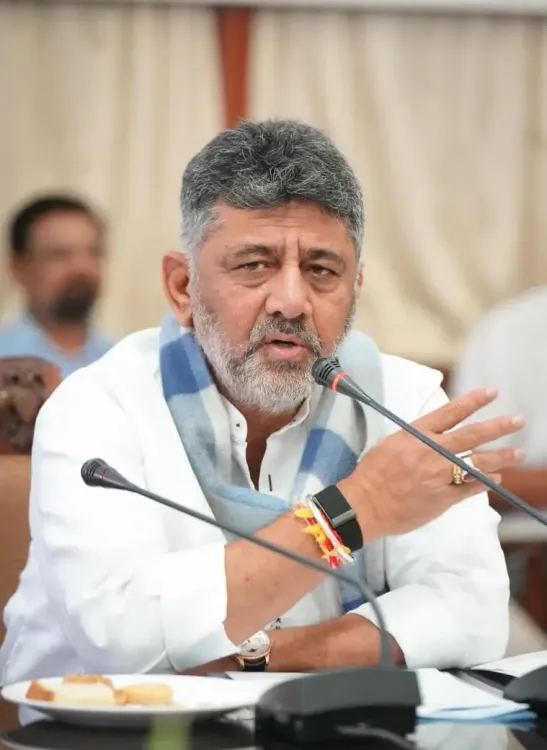
Deputy Chief Minister D.K. Shivakumar on Thursday, 30 April denied any official negligence in the boundary wall collapse at a Bengaluru hospital that claimed seven lives, attributing the tragedy to the structure's age, accumulated soil pressure, and trees planted alongside it. Speaking to reporters at Vidhana Soudha, Shivakumar — who also holds the Bengaluru Development portfolio — said the wall "could not withstand the pressure" caused by heavy rains, hail, and thunderstorms that lashed the city.
What caused the wall collapse
Shivakumar explained that the hospital boundary wall was "very old" and had soil piled up against it over time. Trees had also been planted alongside the structure, compounding the lateral pressure. When heavy rainfall and hailstorms struck the city, the wall gave way, resulting in seven fatalities. The Deputy Chief Minister maintained that the collapse was a consequence of these structural vulnerabilities rather than administrative oversight.
Precautionary measures ordered across Bengaluru
In the wake of the incident, Shivakumar said directions have been issued to identify all vulnerable and ageing walls across the city. Authorities have been instructed to ensure that residents are not allowed to sit or conduct business near such structures. "Street vendors will be relocated from such areas," he said. Additionally, police and civic authorities have been directed to cut weak tree branches, and a list of at-risk trees is currently being prepared. "A control room has been set up, and all officials are on the ground," Shivakumar added.
Government's rain preparedness stance
Shivakumar said instructions regarding the rainfall situation had been issued from Wednesday night itself. He noted that the department has flagged the possibility of below-normal rainfall this year, which could create problems for reservoirs and hydropower generation. "If rainfall is deficient, it will affect all dams. There could also be power-related issues in places like Sharavathi," he warned. He also confirmed that he would visit the Tungabhadra dam on 3 May to review flood preparedness. "All the gates are ready, and we must store as much water as possible," he said, adding that the Supreme Court has directed the release of 177 tmcft of water in the Cauvery matter.
Karnataka leadership question resurfaces
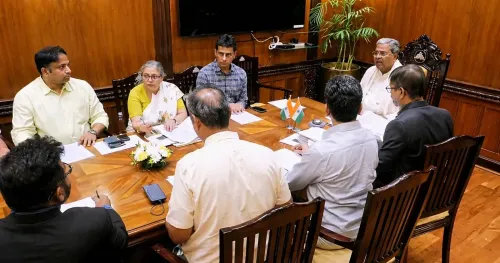
When asked about remarks by All India Congress Committee (AICC) President Mallikarjun Kharge suggesting the leadership issue in Karnataka would be resolved soon and that Chief Minister Siddaramaiah would continue for now, Shivakumar dismissed any speculation. "There is no issue. You may ask Kharge himself," he said. A meeting with Chief Minister Siddaramaiah in the CM's chamber, followed by a Cabinet meeting, was also announced for later in the day.
What happens next
With the Karnataka government now on high alert ahead of the monsoon season, civic authorities are expected to submit a comprehensive list of vulnerable structures and trees across Bengaluru in the coming days. Shivakumar's visit to Tungabhadra dam on 3 May will be closely watched as the state braces for an uncertain rainfall year.
Point of View
And the standard official response of blaming age and soil pressure, without addressing why inspections failed, follows a familiar pattern. The fact that street vendors were operating near an ageing, soil-laden wall raises pointed questions about civic oversight that a city-wide audit — ordered only after fatalities — cannot fully answer. With below-normal rainfall now flagged as a risk, the government faces a double bind: too little rain threatens dams and power, while whatever rain does fall continues to expose the city's crumbling urban infrastructure.
NationPress
18 Sept 2026
Frequently Asked Questions
What caused the Bengaluru hospital wall collapse?
The boundary wall of a hospital in Bengaluru collapsed during heavy rains, hail, and thunderstorms on 30 April, killing seven people. Deputy CM DK Shivakumar attributed the collapse to the wall's old age, soil piled up against it, and trees planted alongside that increased lateral pressure.
Did official negligence cause the Bengaluru wall collapse?
Deputy CM DK Shivakumar denied any lapse by officials, maintaining the collapse was due to structural vulnerabilities in an ageing wall. However, the incident has prompted a city-wide audit of similar vulnerable structures, raising questions about whether prior inspections were adequate.
What precautions is the Karnataka government taking after the wall collapse?
Authorities have been directed to identify vulnerable walls across Bengaluru, prohibit people from sitting or conducting business near them, and relocate street vendors from at-risk zones. Police and civic bodies have also been asked to cut weak tree branches, and a control room has been activated.
How is Karnataka preparing for the monsoon season?
The Karnataka government has flagged the possibility of below-normal rainfall this year, which could affect reservoirs and hydropower generation. Deputy CM Shivakumar is scheduled to visit the Tungabhadra dam on 3 May to review preparedness, and instructions were issued from Wednesday night regarding the rainfall situation.
What is the Cauvery water release order mentioned by Shivakumar?
The Supreme Court has directed that 177 tmcft of water be released in the Cauvery river matter. Shivakumar referenced this while discussing dam preparedness and the need to store as much water as possible ahead of the monsoon.