Bihar CM performs Dussehra aarti, oversees effigy burning
Synopsis
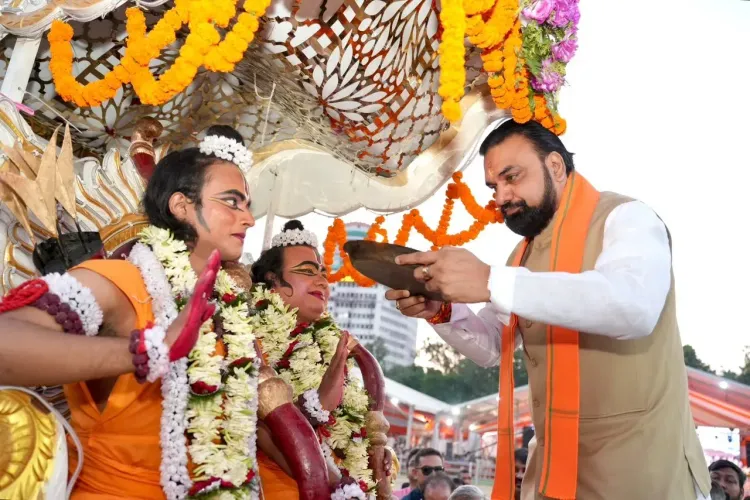
Bihar's Chief Minister performed the Dussehra aarti of Lord Ram and Lakshman on 20 October 2026 and presided over the ritual burning of the effigies of Kumbhakarna, Meghnad, and Ravana, marking Vijayadashami with state-level ceremony.
Key Takeaways
The Chief Minister of Bihar participated in Dussehra (Vijayadashami) celebrations on 20 October 2026 .
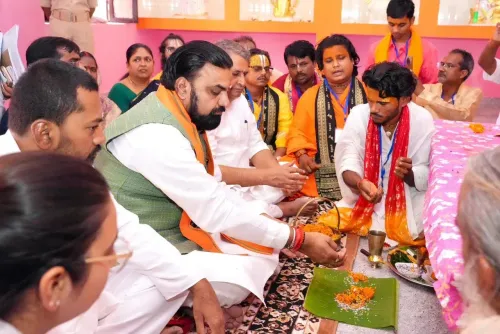
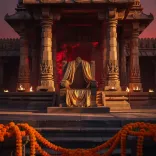
He performed the aarti of the divine forms of Lord Shri Ram and Shri Lakshman and received blessings.
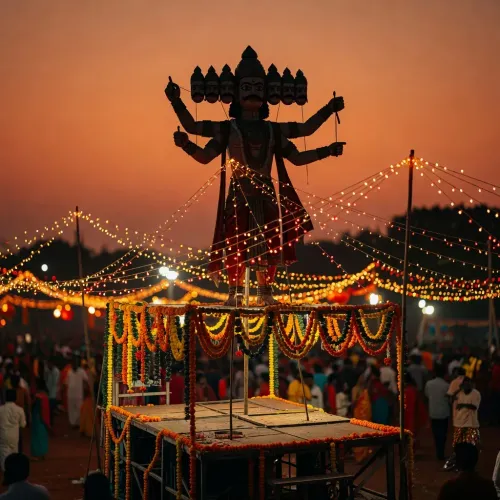
The effigies of Kumbhakarna, Meghnad, and Ravana were burned sequentially as part of the traditional ritual.
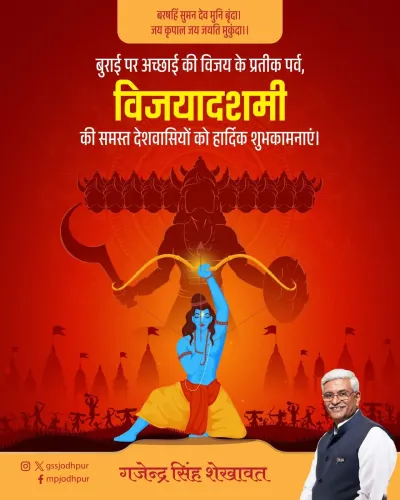
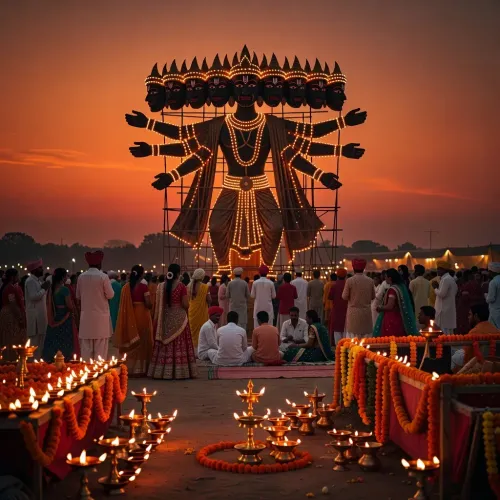
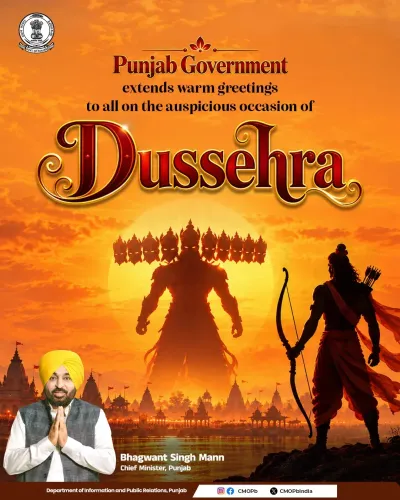
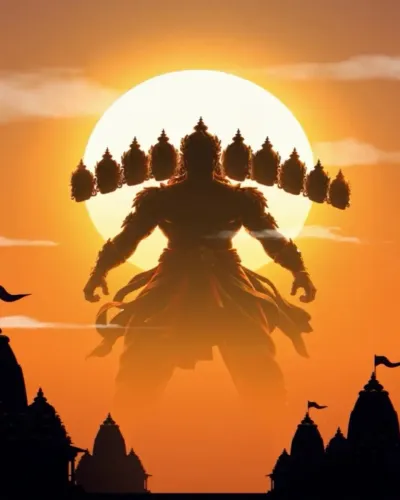
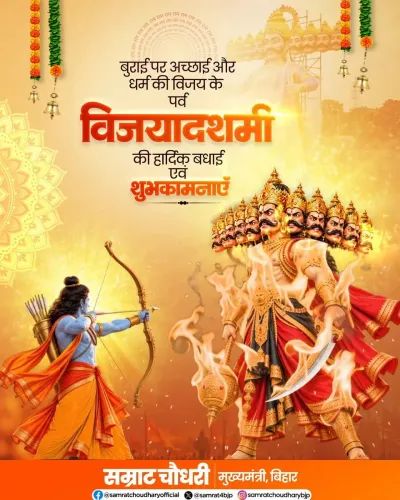
The Chief Minister's Office of Bihar shared four images from the event on X.
Nitish Kumar , Bihar CM since 2005, has a long record of attending major state religious and cultural celebrations.
On the evening of Tuesday, 20 October 2026, the Chief Minister of Bihar stood before the divine forms of Lord Shri Ram and Shri Lakshman, offered the traditional aarti, and received blessings — before presiding over the sequential burning of the effigies of Kumbhakarna, Meghnad, and Ravana, the three symbols of evil at the heart of the Dussehra narrative.
The Chief Minister's Office of Bihar shared the moment on X, describing in Hindi how the Chief Minister 'bhagwan Shri Ram evam Shri Lakshman ji ke swaroop ki aarti kar ashirvaad prapt kiya' — 'performed the aarti of the divine forms of Lord Shri Ram and Shri Lakshman and received their blessings' — before the effigies were set ablaze one by one in the customary order.
The order of the flames: Kumbhakarna, Meghnad, then Ravana
The sequence matters. Kumbhakarna, the colossal sleeping brother of Ravana, falls first; Meghnad — also known as Indrajit, the formidable warrior-son — follows; and finally Ravana, the ten-headed demon king, is consumed in fire. Across northern India, this choreography of burning is both spectacle and scripture, replaying the arc of the Ramayana before thousands of gathered citizens on the night of Vijayadashami.
Bihar's Vijayadashami tradition and the Chief Minister's role
Bihar has a long record of state-level participation in Dussehra celebrations. Chief ministers of Indian states routinely attend these events, combining public faith with community outreach during one of Hinduism's most widely observed festivals. Nitish Kumar, who has served as Chief Minister of Bihar since 2005 with brief interruptions, has been a consistent presence at major state religious and cultural occasions.
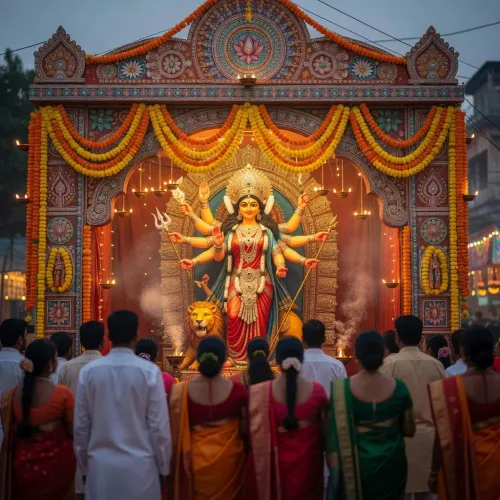
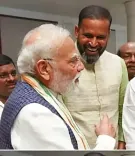
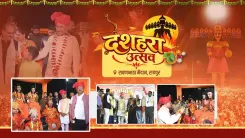
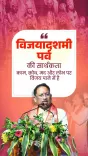
Four images posted alongside the announcement captured the atmosphere — fire, faith, and the familiar imagery of the Ramayana brought into a public square on a Tuesday evening in Bihar.
Evil burns. The Chief Minister receives the blessing of Ram. And Bihar marks another Vijayadashami.
Point of View
And public theatre as governance. For Nitish Kumar, whose political longevity in Bihar rests partly on positioning himself as a custodian of Bihar's social and cultural fabric, appearances at Vijayadashami celebrations reinforce continuity and rootedness. The ritual also carries a quiet symbolic message: the state's top executive aligns himself with the victory of righteousness over evil — a framing that transcends party lines and resonates broadly across Bihar's electorate.
NationPress
21 Oct 2026
Frequently Asked Questions
What did the Bihar Chief Minister do on Dussehra 2026?
On 20 October 2026 , the Bihar Chief Minister performed the aarti of the divine forms of Lord Shri Ram and Shri Lakshman and then oversaw the burning of the effigies of Kumbhakarna, Meghnad, and Ravana during Dussehra celebrations.
Who is the Chief Minister of Bihar?
Nitish Kumar is the Chief Minister of Bihar and has held the post since 2005 , with brief interruptions.
Why are three effigies burned on Dussehra?
The three effigies — Kumbhakarna , Meghnad , and Ravana — represent evil figures from the Ramayana. Their sequential burning on Vijayadashami symbolises the triumph of good over evil as depicted in the epic.
What is Vijayadashami and how is it celebrated in Bihar?
Vijayadashami , commonly called Dussehra, is an annual Hindu festival marking Lord Rama's victory over Ravana . In Bihar, it is observed with public effigy-burning ceremonies and state-level participation by the Chief Minister.
Why do Indian Chief Ministers attend Dussehra events?
Chief ministers across Indian states routinely attend Dussehra celebrations as part of cultural outreach, connecting elected leadership with major religious traditions observed by a large section of the population.