Bihar CM's Office: No eligible pensioner will be left out
Synopsis
The Chief Minister's Office of Bihar has directed district magistrates to ensure every eligible person receives Social Security Pension Scheme benefits, holding them personally accountable for missed beneficiaries — a sharp accountability push in Bihar's welfare delivery system.
Key Takeaways
The Chief Minister's Office of Bihar posted the directive on 10 August 2026 .
The order states no eligible person will be denied the Social Security Pension Scheme .
District magistrates are named as personally responsible for enrolling all missed eligible beneficiaries.
Bihar's scheme supplements the central National Social Assistance Programme (launched 1995 ), covering the elderly, widows, and disabled persons.
CM Nitish Kumar has overseen Bihar's social security pension expansion since 2005 .
The directive converts a policy goal into a named administrative obligation at the district level.
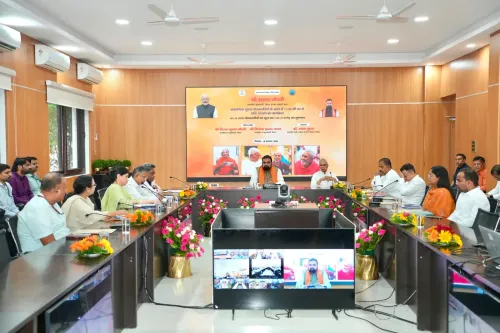
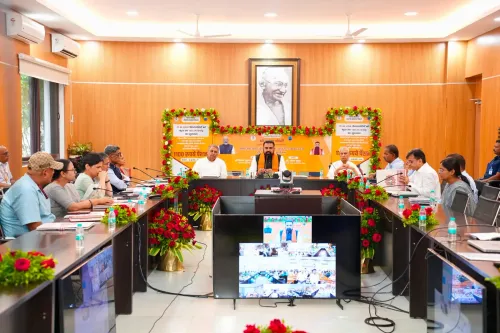
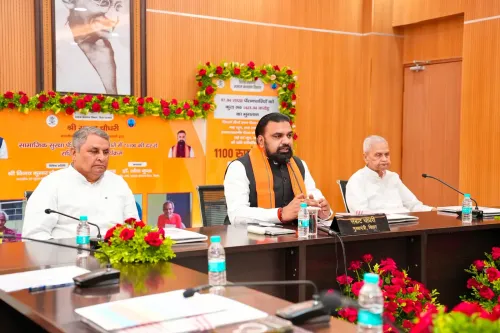
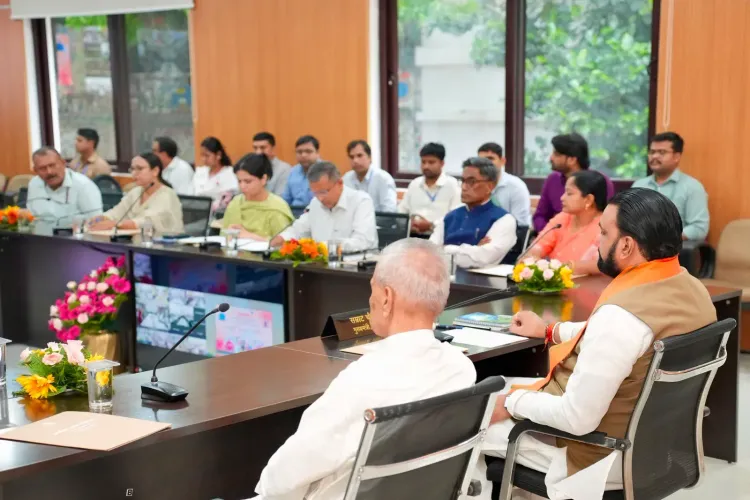
A clear accountability order has come from the top in Bihar: not a single eligible person will be denied the benefit of the state's Social Security Pension Scheme, and ensuring that is now squarely the responsibility of district magistrates across the state. The Chief Minister's Office of Bihar posted this directive on 10 August 2026, signalling a push to close the gap between those entitled to pensions and those actually receiving them.
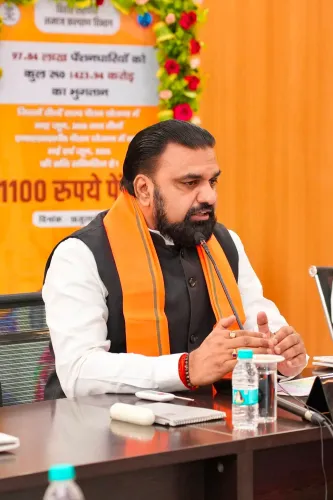
The post quoted an official as saying, 'Koi bhi patra vyakti samajik suraksha pension yojana ke labh se vanchit nahin rahega' ('No eligible person will be deprived of the benefits of the Social Security Pension Scheme'). The directive places the onus on district magistrates to identify and enrol all missed eligible beneficiaries — a direct, named accountability that goes beyond a general policy announcement.
Who the scheme covers — and who keeps falling through
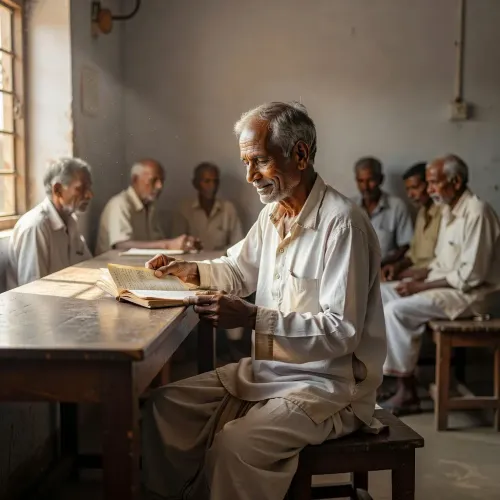
Bihar's Social Security Pension Scheme provides monthly pensions to the state's most vulnerable: the elderly, widows, and persons with disabilities. It runs alongside the central government's National Social Assistance Programme, launched in 1995, which Bihar has historically supplemented with state-funded top-ups to extend coverage. Despite this layered architecture, exclusion errors — eligible people who never make it onto the rolls — have remained a persistent challenge across Indian states, and Bihar is no exception.
Chief Minister Nitish Kumar, who has overseen the expansion of Bihar's social security architecture since 2005, has repeatedly framed pension inclusion as a non-negotiable floor of welfare delivery. The latest directive sharpens that commitment into an administrative instruction with a clear owner at every district.
District magistrates in the crosshairs
The language of the directive is unusually direct. By naming district magistrates as personally responsible for missed beneficiaries, the state government is converting a policy goal into a performance obligation. This approach — pushing accountability down to the district level — mirrors drives seen in other large states, where saturation campaigns have been used to shrink exclusion lists before budget cycles close.
What to watch next: whether Bihar follows this directive with district-level reporting mandates, a public dashboard of enrolment progress, or any revision to pension outlays in the state budget to accommodate newly added beneficiaries. The order is only as strong as the mechanism that enforces it.
Point of View
Whose political identity is closely tied to governance delivery, this kind of visible accountability push serves both a policy and a signalling function. The real test is institutional follow-through: India's social pension exclusion problem is well-documented, and directives without enforcement mechanisms tend to produce paperwork rather than enrolment. If Bihar backs this order with measurable district-level targets and public reporting, it could become a replicable model; if not, it joins a long list of well-intentioned circulars.
NationPress
25 Sept 2026
Frequently Asked Questions
What is Bihar's Social Security Pension Scheme?
Bihar's Social Security Pension Scheme provides monthly pensions to eligible elderly persons, widows, and people with disabilities in the state. It supplements the central government's National Social Assistance Programme, which has been operational since 1995.
Who is responsible for enrolling missed pension beneficiaries in Bihar?
According to the directive from the Chief Minister's Office of Bihar issued on 10 August 2026, district magistrates are personally responsible for identifying and enrolling all eligible beneficiaries who have been missed by the scheme.
What did the Bihar CM's Office say about pension eligibility?
The Chief Minister's Office stated that no eligible person will be deprived of the benefits of the Social Security Pension Scheme, and that ensuring full coverage is the direct responsibility of the concerned district magistrates.
How long has Bihar been expanding its social security pension coverage?
Chief Minister Nitish Kumar has overseen the expansion of Bihar's social security pension system since returning to office in 2005, progressively aligning state schemes with central guidelines while adding coverage top-ups.
What happens after Bihar issues a pension inclusion directive?
Typically, such directives are followed by district-level reporting drives and potential budget revisions to accommodate newly enrolled beneficiaries. Whether Bihar introduces a formal monitoring mechanism or public dashboard will determine the directive's real-world impact.