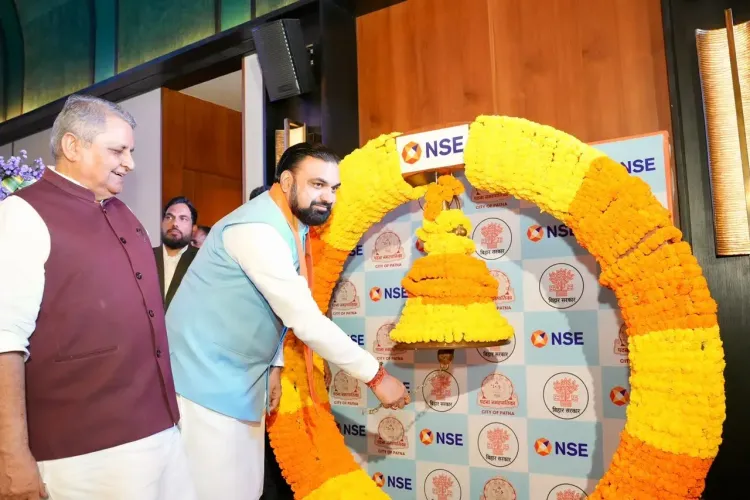
CM Samrat Choudhary launches Bihar's first municipal bond on NSE
Synopsis
Bihar Chief Minister Samrat Choudhary on 10 November 2026 launched the listing of Patna Nagar Nigam's ₹200 crore municipal bond on the NSE at Taj City Centre, Patna — marking Bihar's debut in India's municipal debt market and opening a new channel for urban infrastructure financing.
Key Takeaways
Patna Nagar Nigam listed a ₹200 crore municipal bond on the National Stock Exchange on 10 November 2026 .
This is Bihar's first-ever municipal bond issuance , marking the state's debut in India's municipal debt capital market.
The listing event was inaugurated by Bihar Chief Minister Samrat Choudhary at Taj City Centre, Patna .
India's municipal bond market traces back to Ahmedabad Municipal Corporation's 1998 issuance ; SEBI regulations in 2015 and the AMRUT scheme expanded the framework.
Proceeds are intended for urban infrastructure and civic development in Patna; utilisation and follow-on issuances by other Bihar municipalities are the key watch points.
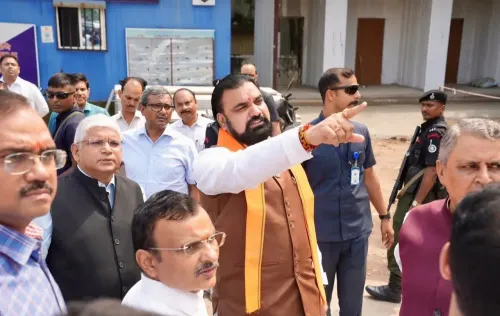
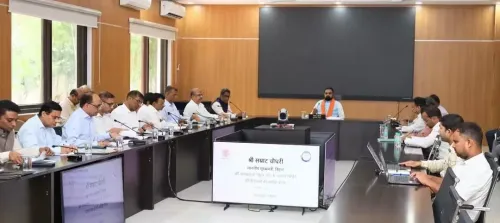
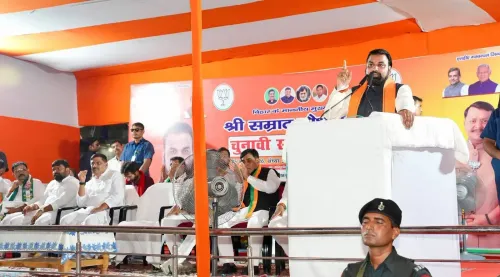
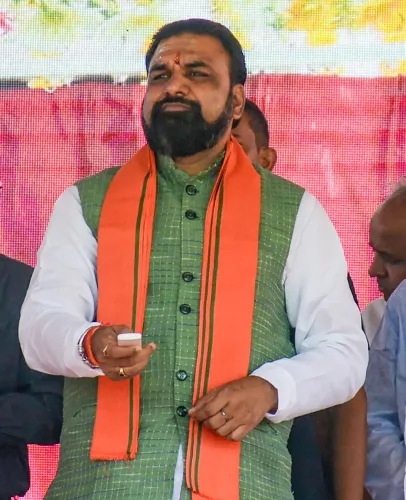
Bihar entered the capital markets on Tuesday, 10 November 2026, when Bihar Chief Minister Samrat Choudhary launched the historic listing of Patna Nagar Nigam's ₹200 crore municipal bond on the National Stock Exchange — the first such issuance in the state's history — at an event held at Taj City Centre, Patna.
Bihar's ₹200 crore bet on the bond market
Speaking at the launch, CM Choudhary said the listing would 'शहरी विकास और निवेश के नए अवसरों का मार्ग प्रशस्त करेगी' — 'pave the way for new opportunities in urban development and investment.' The ₹200 crore raised through Patna Nagar Nigam's bond issue will now be accessible to institutional investors through the exchange platform, bringing market discipline — credit ratings, mandatory disclosures — to the city's finances.
Municipal bonds are debt securities through which urban local bodies borrow directly from capital markets for long-term infrastructure needs, bypassing sole dependence on government grants. For Patna, a city of over two million people, this opens a new financing lane entirely.
A tradition dating to 1998 — and Bihar is now part of it
Ahmedabad Municipal Corporation issued India's first municipal bond back in 1998 for water and sewerage projects. The instrument gathered regulatory momentum in 2015, when SEBI notified the Issue and Listing of Municipal Debt Securities Regulations, and the Atal Mission for Rejuvenation and Urban Transformation (AMRUT) began actively nudging urban local bodies toward market financing. Several cities — Pune, Hyderabad, Indore — have since tapped this route. Bihar had not. Until now.
That gap closes today. Patna Nagar Nigam becomes the latest urban body to put its creditworthiness to the market test, and the first from a state whose municipal finances have historically leaned heavily on central transfers.
What the ₹200 crore is meant to build
The immediate watch now is deployment: how the proceeds flow into Patna's civic infrastructure — roads, drainage, water supply — and whether the bond's performance encourages other Bihar municipalities to follow suit. Market-linked financing demands transparency and repayment discipline, which in turn pressures municipal bodies to improve revenue collection and project execution. The bond is not just a fundraising instrument; it is a governance signal.
If Patna delivers on its commitments, the template is replicable across Bihar's tier-two cities. If it stumbles, the market will price that risk sharply into any follow-on issuance.
Bihar's urban ambitions just got a price tag — and a ticker symbol on the NSE.
Point of View
A state that has relied disproportionately on central transfers for urban spending. It signals a gradual shift toward market-linked municipal financing — a model SEBI and AMRUT have promoted since 2015 but that has remained concentrated among wealthier, more creditworthy cities. The bond's success or failure will carry a demonstration effect: a clean execution could trigger similar issuances from other Bihar municipalities, while any repayment stress would chill appetite across the state's nascent urban finance ecosystem. For CM Choudhary, it also serves as a visible economic governance credential ahead of Bihar's ongoing development narrative.
NationPress
10 Nov 2026
Frequently Asked Questions
What is the Patna Nagar Nigam municipal bond?
It is a ₹200 crore debt security issued by the Patna Municipal Corporation and listed on the National Stock Exchange, allowing institutional investors to fund Patna's urban infrastructure directly through the capital market.
Is this Bihar's first municipal bond?
Yes. The Patna Nagar Nigam listing on 10 November 2026 is Bihar's first-ever municipal bond issuance on a national stock exchange.
Who launched the Patna municipal bond listing?
Bihar Chief Minister Samrat Choudhary launched the listing ceremony at Taj City Centre in Patna on 10 November 2026.
Which was India's first municipal bond?
Ahmedabad Municipal Corporation issued India's first municipal bond in 1998, primarily to finance water and sewerage infrastructure projects.
What will the ₹200 crore raised be used for?
The funds are intended for urban development and civic infrastructure in Patna; specific project allocation will be a key watch point as the bond proceeds are deployed.