BJP demands CBI-NIA probe into murders of 2 anti-drug activists in Punjab
Synopsis
Two anti-drug whistleblowers — Parvinder Singh Jhota in Mansa and Bikramjit Singh in Batala — were killed within 24 hours in Punjab, prompting the BJP to demand a CBI-NIA probe and accuse the Bhagwant Mann government of being a 'mute spectator' to the drug mafia's growing reach. The back-to-back killings have put Punjab's law-and-order record under an intense national spotlight.
Key Takeaways
Parvinder Singh Jhota was shot dead in a crowded marketplace in Mansa on Thursday, 15 October after confronting a drug peddler.
Bikramjit Singh , 40 , an anti-drug activist, was killed by unknown gunmen in Batala district on Friday, 16 October .
BJP Rajya Sabha MP Tarun Chugh demanded a CBI and NIA probe, calling the state government a 'mute spectator'.
The BJP declared the Mann government's anti-drug campaign 'Yudh Nasheyan Virudh' an 'utter failure' after 55 months in office.
The AAP Punjab government had not formally responded to the CBI-NIA demand at the time of reporting.
The Bharatiya Janata Party (BJP) on Friday, 16 October sharply attacked the Bhagwant Mann-led Aam Aadmi Party (AAP) government in Punjab over the killing of two anti-drug activists within two days, demanding that the cases be handed to the Central Bureau of Investigation (CBI) and the National Investigation Agency (NIA) for a thorough probe. The twin murders have triggered widespread public outrage and placed the ruling dispensation on the defensive over what critics are calling a deteriorating law-and-order crisis in the state.
The Two Murders That Triggered the Outcry
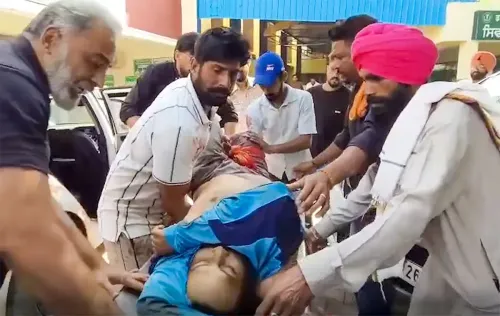
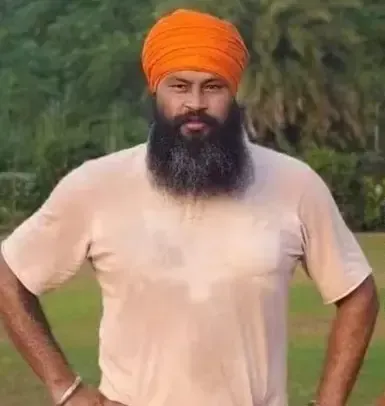
On Friday, 40-year-old Bikramjit Singh, an anti-drug activist, was shot dead in Batala district by allegedly unknown gunmen. A day earlier, on Thursday, noted activist Parvinder Singh Jhota was fatally shot in a crowded marketplace in Mansa after he had publicly confronted a drug peddler. According to BJP leaders, Jhota had repeatedly appealed for police protection prior to his killing, but help did not arrive in time.
BJP's Charges Against the Mann Government
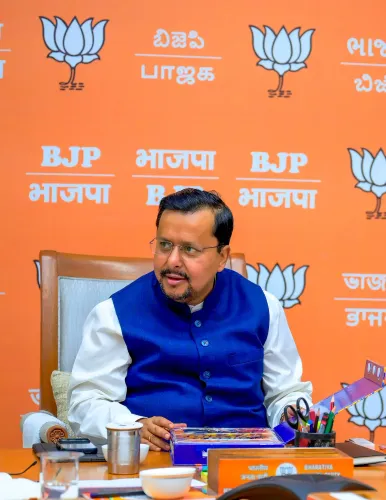
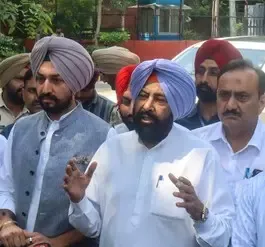
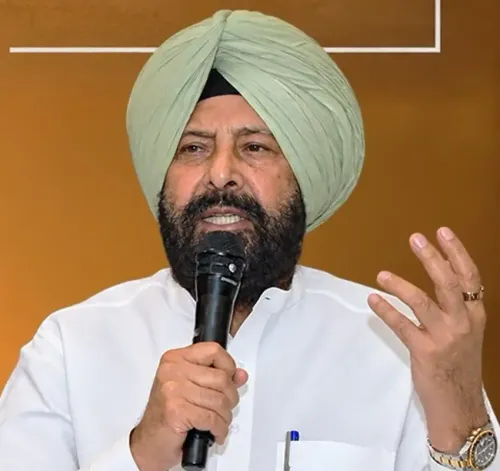
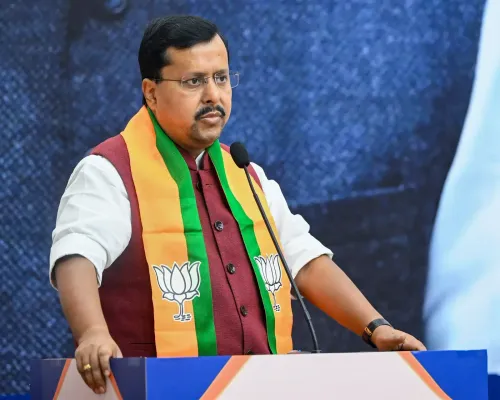
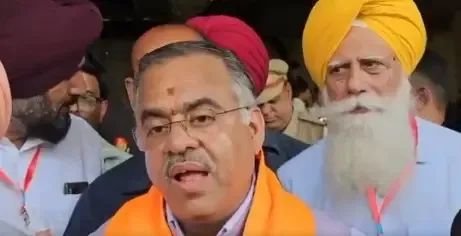
Tarun Chugh, BJP Rajya Sabha MP and the party's Central office in-charge, addressed a press conference hours after Bikramjit Singh's killing and accused the state government of being a 'mute spectator' to daylight murders. He charged that the drug mafia's reach in Punjab had grown to alarming levels, with whistleblowers being silenced through targeted killings. Chugh also cited the case of Gulzar Singh, who had allegedly been harassed after exposing the sale of 'chitta' in his area and was 'compelled to die by suicide', according to the BJP leader.
Chugh stated: 'The state was witnessing a spate of murders, with whistleblowers being shot dead.' He further alleged that grenades were being hurled at police stations, pointing to a broader collapse of public security.
BJP's Critique of 'Yudh Nasheyan Virudh' Campaign
The BJP leader dismissed the Mann government's flagship anti-drug drive, 'Yudh Nasheyan Virudh', as an 'utter failure', and described a recent high-level meeting convened by Chief Minister Bhagwant Mann as a 'futile exercise.' 'Nearly five years have passed, and for 55 months the state government did nothing. What can it achieve in the final few weeks now?' Chugh said, suggesting the government was acting only under electoral pressure. He also alleged that the AAP government in Punjab was effectively being directed from Delhi by Arvind Kejriwal and Manish Sisodia.
Broader Pattern and Political Context
The killings come amid a sustained political battle over Punjab's drug menace, which has been a defining campaign issue across multiple election cycles. Critics argue that successive state governments — across party lines — have struggled to dismantle entrenched trafficking networks in the state. This is, notably, not the first time anti-drug workers in Punjab have faced threats or violence, but the rapid back-to-back nature of these two killings has sharpened both the political and public response. The BJP's demand for a CBI-NIA investigation effectively seeks to remove the inquiry from state police jurisdiction, implying a lack of confidence in the state's investigative machinery.
What Happens Next
The AAP government in Punjab has not yet publicly responded to the BJP's specific demand for a CBI-NIA handover, as of the time of reporting. Political pressure is likely to mount in the days ahead, particularly given that Jhota's killing in a public marketplace has drawn significant local attention. Whether the Centre formally refers the cases to the CBI or NIA will depend on a political and legal process that requires the state's cooperation or a court order — a path that BJP leaders have indicated they may pursue.
Point of View
Speaking out against the narcotics trade can be a death sentence, regardless of which party is in power. The BJP's CBI-NIA demand is as much a political manoeuvre ahead of an electoral cycle as it is a genuine accountability push — but that does not make the underlying charge less serious. What is missing from the discourse is scrutiny of why the state police, despite prior distress calls from at least one of the victims, failed to respond. The Mann government's 'Yudh Nasheyan Virudh' campaign has received little independent audit of its actual outcomes, and the optics of two targeted killings in two days make that accountability gap impossible to ignore.
NationPress
16 Oct 2026
Frequently Asked Questions
Who were the two anti-drug activists killed in Punjab?
The two activists were Parvinder Singh Jhota, killed in Mansa on Thursday 15 October after confronting a drug peddler, and Bikramjit Singh, 40, shot dead by unknown gunmen in Batala district on Friday 16 October. Both had been vocal opponents of drug trafficking in their respective areas.
What is the BJP demanding over the Punjab activist murders?
The BJP has demanded that the cases be transferred to the Central Bureau of Investigation (CBI) and the National Investigation Agency (NIA) for a detailed probe. BJP MP Tarun Chugh made the demand at a press conference, accusing the Bhagwant Mann government of failing to protect whistleblowers.
What is the 'Yudh Nasheyan Virudh' campaign and why is it under fire?
'Yudh Nasheyan Virudh' is the AAP Punjab government's flagship anti-drug initiative. The BJP has declared it an 'utter failure', citing the twin killings of anti-drug activists as evidence that the drug mafia continues to operate with impunity despite nearly five years of the campaign.
Has the Punjab government responded to the CBI probe demand?
As of the time of reporting on 16 October, the Bhagwant Mann government had not publicly responded to the BJP's specific demand for a CBI-NIA handover of the two murder cases. A high-level meeting was reportedly convened by the Chief Minister, which the BJP dismissed as a 'futile exercise'.
What is the process for transferring Punjab murder cases to the CBI or NIA?
A transfer to the CBI typically requires either the state government's consent or a court order directing the handover. The NIA can take suo motu cognisance of cases involving organised crime with national security implications. The BJP has indicated it may pursue legal avenues if the state government does not act.