BJP's best Bengal chance yet, DMK leads Tamil Nadu: Matrize Director
Synopsis
Matrize Director Manoj Kumar Singh sees a historic opening for BJP in West Bengal, a decisively tilted Assam contest shaped by a Congress perception collapse, and a DMK majority in Tamil Nadu — while warning that vote-share figures without ground-level context can mislead even seasoned analysts. His four-state read paints a complex electoral picture with few simple narratives.
Key Takeaways
Manoj Kumar Singh of Matrize News Communications called West Bengal the BJP's best-ever electoral opportunity , backed by exit poll trends and high migrant voter turnout.
Assam's contest turned one-sided in its final phase, partly due to a passport controversy involving CM Himanta Biswa Sarma's wife and a leadership perception gap after Pawan Khera left the state.
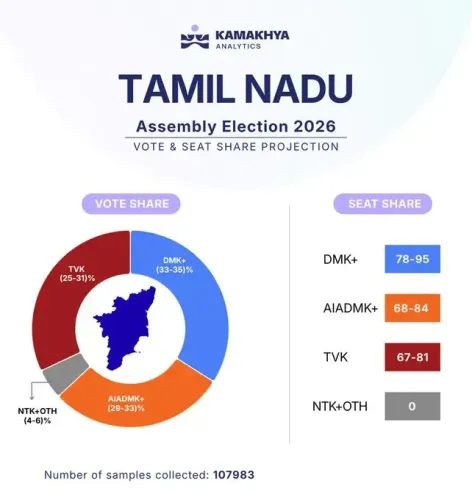
DMK projected to win 122–132 seats in Tamil Nadu; AIADMK estimated at 87–100 seats ; TVK expected to split votes without emerging as a dominant force.
Migrant voter turnout was notably high in West Bengal , with both TMC and BJP mobilising supporters effectively.
Singh cautioned that voting percentage alone is an unreliable predictor of seat outcomes, especially in smaller states like Assam where marginal shifts have outsized impacts.
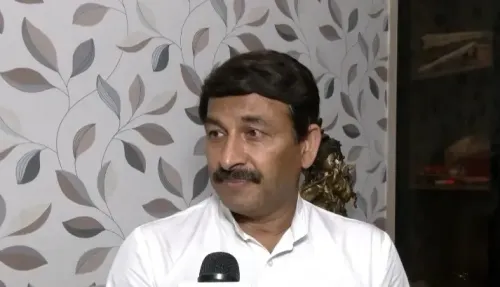
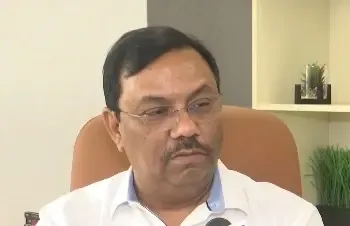
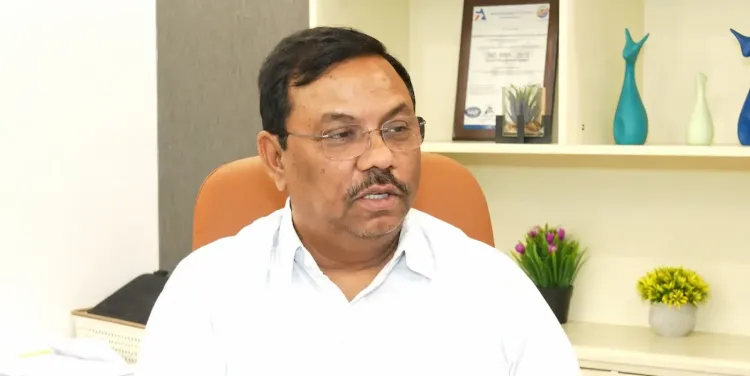
Manoj Kumar Singh, Director of Matrize News Communications Pvt. Ltd, has said that the Bharatiya Janata Party (BJP) is facing its most favourable electoral conditions ever in West Bengal, while Assam witnessed a largely one-sided finish in its closing phase and the Dravida Munnetra Kazhagam (DMK) continues to hold a commanding advantage in Tamil Nadu. Speaking to IANS on 30 April, Singh cautioned that voting percentage alone cannot reliably predict electoral outcomes across these states.
Assam: A One-Sided Finish and a Congress Perception Problem
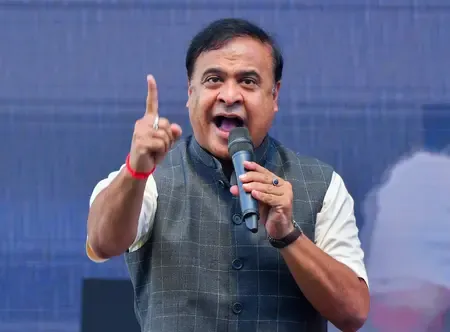
On Assam, Singh stressed that vote share and seat conversion are "two entirely different aspects" of electoral analysis, particularly in a smaller state where even marginal shifts can produce outsized results. He noted that the contest appeared to tilt decisively in its final phase, partly due to a controversy raised by the Indian National Congress (Congress) involving allegations linked to a passport issue concerning the wife of Chief Minister Himanta Biswa Sarma.
"The Chief Minister reacted swiftly, and action followed. After the allegations, Pawan Khera left Assam, which created a perception among Congress party workers that the leadership was weak," Singh said. He also argued that the traditional Hindu–Muslim narrative no longer dominates Assam politics, attributing the shift to delimitation, which he said increased the number of Hindu-majority constituencies. "After delimitation, that dynamic has changed considerably," he added.
Tamil Nadu: DMK Maintains Strong Grip Under Stalin
Singh said the DMK continues to maintain a firm hold on Tamil Nadu under the leadership of M.K. Stalin. He noted that actor Vijay's newly formed Tamilaga Vettri Kazhagam (TVK) generated enthusiasm, particularly among youth, but was expected to cut into the vote share of both the DMK and the All India Anna Dravida Munnetra Kazhagam (AIADMK) rather than decisively alter the balance of power.
"I had projected that DMK would secure around 122–132 seats, ensuring a clear majority without the possibility of a hung assembly. The AIADMK was estimated to win between 87 and 100 seats, while the TVK, being new, was expected to garner a notable vote share," Singh said.
West Bengal: BJP's Most Favourable Window Yet
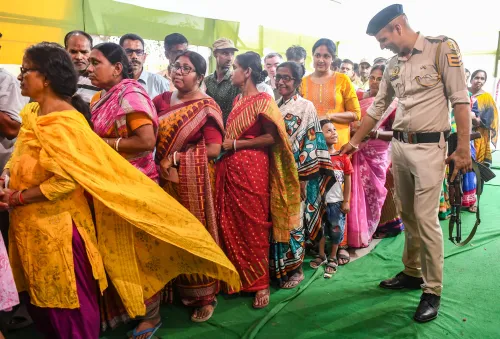
Singh was notably confident about West Bengal, describing current conditions as the most favourable the BJP has ever encountered in the state. "This is the best opportunity for the BJP in Bengal; it cannot get better than this," he said, adding that exit poll trends also reflected this momentum. He highlighted a significant turnout of migrant voters, noting that many returned to cast their ballots out of concern that their names could be removed from voter lists or that they might face identity-related issues.
"Both the All India Trinamool Congress (TMC) and the BJP mobilised their supporters effectively," Singh observed, underscoring that high turnout alone does not indicate which party benefited more.
Kerala: Anti-Incumbency Defied, Concerns Linger
On Kerala, Singh stopped short of a clear prediction. He observed that despite expectations of anti-incumbency, the Left Democratic Front (LDF) managed to retain power in 2021, defying the state's tradition of alternating governments. However, he suggested that the perceived age and reduced political aggression of Chief Minister Pinarayi Vijayan could be factors working against the ruling alliance going forward.
The Broader Analytical Caution
Throughout the interview, Singh maintained that electoral outcomes are shaped by a complex interplay of factors. He warned against simplistic interpretations based on isolated data points such as voting percentage, arguing that such readings frequently lead to flawed conclusions. Ground-level perception, candidate strength, and mobilisation capacity, he argued, often matter as much as aggregate turnout figures. How these dynamics ultimately translate into seats across these four states will be closely watched as results approach.
Point of View
But it sidesteps the structural challenge the party has faced for decades: converting vote share into seats against a well-oiled TMC booth machinery. The Assam narrative around Pawan Khera's departure is telling — perception of leadership retreat can be as damaging as policy failure. On Tamil Nadu, projecting a DMK majority of 122–132 seats reflects organisational strength, but the TVK wildcard driven by celebrity and youth energy introduces a volatility that seat-range projections tend to underestimate. Singh's broader caution against vote-percentage-only analysis is well-placed, yet his own seat projections carry their own margin of error in a multi-cornered contest.
NationPress
19 Sept 2026
Frequently Asked Questions
What did Matrize Director Manoj Kumar Singh say about the BJP in West Bengal?
Singh said West Bengal represents the best opportunity the BJP has ever had in the state, citing exit poll trends and high migrant voter turnout as indicators of strong momentum. He added that both the TMC and BJP mobilised their supporters effectively, making turnout figures alone an insufficient indicator of the outcome.
Why did Assam's election turn one-sided according to Singh?
Singh attributed the one-sided finish to a perception of weak Congress leadership after Pawan Khera left Assam following allegations linked to a passport controversy involving CM Himanta Biswa Sarma's wife. He also cited delimitation as having reduced the salience of the Hindu–Muslim narrative that previously shaped Assam politics.
How many seats did Singh project for DMK in Tamil Nadu?
Singh projected the DMK would secure between 122 and 132 seats, ensuring a clear majority. He estimated the AIADMK at 87 to 100 seats, while the newly formed TVK was expected to garner a notable vote share without decisively altering the outcome.
What is Tamilaga Vettri Kazhagam and how was it expected to perform?
Tamilaga Vettri Kazhagam (TVK) is a party formed by actor Vijay. Singh said it generated enthusiasm especially among youth but was expected to split votes between the DMK and AIADMK rather than emerge as a dominant force in Tamil Nadu.
Why does Singh caution against using voting percentage to predict election results?
Singh argued that vote share and seat conversion are two entirely different aspects of electoral analysis. In smaller states like Assam, even a marginal shift in vote percentage can significantly alter seat outcomes, making projections based solely on turnout figures unreliable and prone to flawed conclusions.