CDV kills tigress T141 and 4 cubs in Kanha Tiger Reserve in 9 days
Synopsis
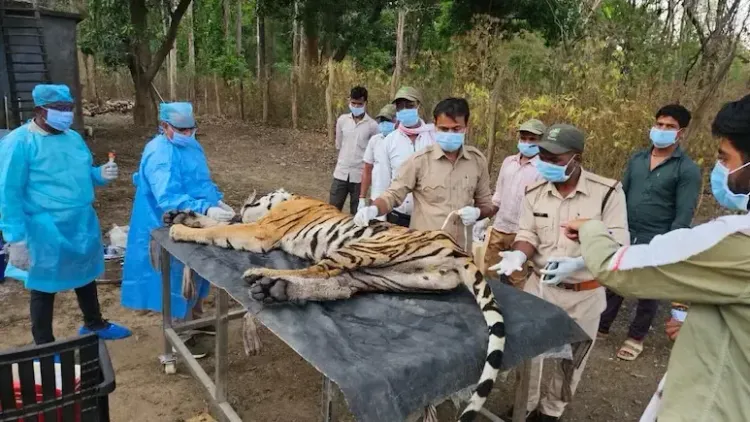
An entire tiger family — Tigress T141 and four cubs — has been wiped out in just nine days at Kanha Tiger Reserve, with Canine Distemper Virus the prime suspect. It is among the most severe CDV-linked losses in an Indian tiger reserve in recent memory, and it exposes a critical gap: disease surveillance in even India's best-protected wildlife habitats.
Key Takeaways
Tigress T141 and her four cubs died within nine days (21–30 April) at Kanha Tiger Reserve , Madhya Pradesh.
Preliminary investigations point to Canine Distemper Virus (CDV) as the likely cause of all five deaths.
The carcass of the third cub has been sent to the School of Wildlife Forensic and Health, Jabalpur for analysis.
Blood and tissue samples from the tigress and last cub are being examined at specialised laboratories to confirm the source.
The deaths occurred in the Sarhi Range of Kanha, one of India's most closely monitored tiger habitats under Project Tiger .
Conservationists are calling for urgent review of disease surveillance and biosecurity protocols across central Indian tiger reserves.
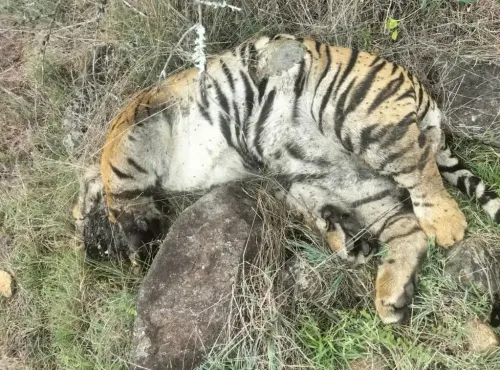
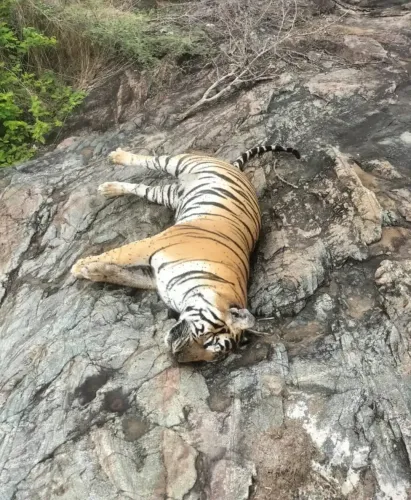
A complete tiger family — Tigress T141 and her four cubs — has been wiped out in just nine days at the Kanha Tiger Reserve in Madhya Pradesh, with preliminary investigations pointing to the Canine Distemper Virus (CDV) as the likely cause. The deaths, which unfolded between 21 April and 30 April, have sent shockwaves through India's wildlife conservation community and raised urgent questions about disease surveillance in protected tiger habitats.
How the Deaths Unfolded
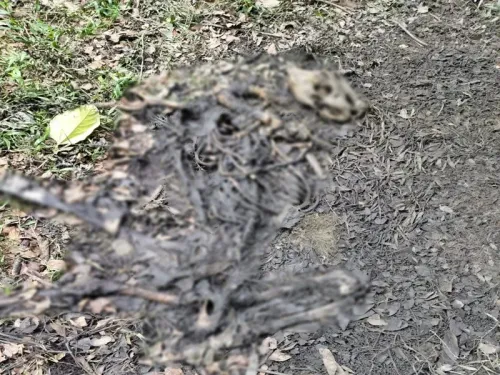
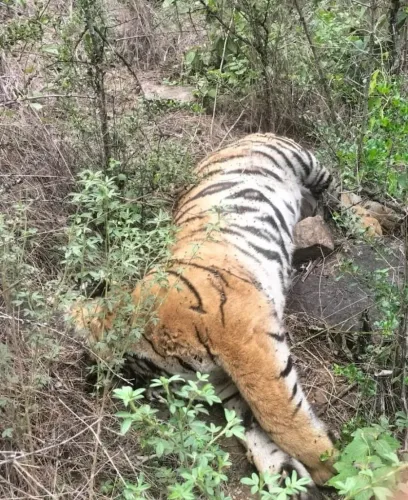
The tragedy began on 21 April when the first cub was found dead in the Amahi Nala area of the reserve's Sarhi Range. A second cub was discovered in a decomposed state on 24 April, indicating it had died days earlier without detection. A third cub succumbed to the mysterious illness by 26 April, prompting wildlife authorities to launch an emergency rescue operation for the mother and her sole surviving offspring.
On 27 April, the critically ill Tigress T141 and her last cub were transferred to the Mukki Quarantine Centre for intensive veterinary care. A brief window of hope appeared on 28 April when both animals showed signs of stabilisation and began consuming food. However, their condition deteriorated sharply on Tuesday night. Tigress T141 died on Wednesday morning, and her final cub followed shortly thereafter.
What Is Canine Distemper Virus
The Canine Distemper Virus (CDV) is widely regarded by wildlife experts as one of the most dangerous viral threats to big cat populations globally. Highly contagious and carrying a high mortality rate, CDV can spread from domestic dogs and other carnivores to tigers through direct contact or shared territory. It attacks the respiratory, gastrointestinal, and nervous systems, making recovery extremely difficult, particularly in young animals with undeveloped immune responses.
Notably, CDV has previously been linked to mass mortality events in lion populations in Africa and has been detected in wild tigers in parts of Asia. This is among the most severe CDV-linked losses recorded in an Indian tiger reserve in recent years.
Forensic Investigation Under Way
An exhaustive investigation is currently under way. The carcass of the third cub has been transported to the School of Wildlife Forensic and Health in Jabalpur for post-mortem analysis. Blood and tissue samples from Tigress T141 and her last cub are being analysed at specialised laboratories to confirm CDV as the causative agent and to trace the source of the outbreak.
Veterinarians and wildlife forensic experts are also working to determine whether the virus entered the reserve through contact with domestic animals in buffer zones — a known transmission pathway — or through other wildlife species sharing the habitat.
Implications for Tiger Conservation
The loss of an entire tiger family from the Sarhi Range of Kanha Tiger Reserve — one of India's most celebrated and closely monitored wildlife sanctuaries — underscores the vulnerability that even the most secure habitats face against infectious disease outbreaks. Kanha is part of the core tiger landscape in central India and has historically been a model reserve under Project Tiger.
Critics and conservationists argue that disease surveillance protocols in Indian tiger reserves need urgent strengthening, including routine screening of domestic animal populations in buffer zones and faster diagnostic infrastructure to enable early intervention. The speed at which this family was lost — five deaths in nine days — suggests the virus had already progressed significantly before the first mortality was detected.
As forensic results are awaited, wildlife authorities are expected to review biosecurity protocols across Kanha and potentially other reserves in the central Indian tiger landscape to prevent further outbreaks.
Point of View
A risk that has been flagged for years without adequate policy response. India has world-class tiger counting machinery but its disease early-warning infrastructure remains underfunded and reactive. By the time the first cub was found dead, the virus had likely already run its course through the family. The question wildlife authorities must now answer is not just what killed T141, but why it took three cub deaths before an emergency response was triggered.
NationPress
20 Sept 2026
Frequently Asked Questions
What killed Tigress T141 and her cubs at Kanha Tiger Reserve?
Preliminary investigations point to the Canine Distemper Virus (CDV) as the likely cause of death for Tigress T141 and her four cubs at Kanha Tiger Reserve. Forensic samples are being analysed at specialised laboratories to confirm the source of the outbreak.
What is Canine Distemper Virus and how does it affect tigers?
Canine Distemper Virus (CDV) is a highly contagious pathogen that attacks the respiratory, gastrointestinal, and nervous systems of animals. It is considered one of the most dangerous viral threats to tiger populations due to its high mortality rate, and can spread to tigers through contact with domestic dogs or other infected carnivores.
How many tigers died at Kanha Tiger Reserve and over what period?
A total of five tigers died — Tigress T141 and her four cubs — over a span of nine days, from 21 April to 30 April. The deaths occurred in the Sarhi Range of Kanha Tiger Reserve in Madhya Pradesh.
What steps are authorities taking after the Kanha tiger deaths?
Authorities have sent the carcass of the third cub to the School of Wildlife Forensic and Health in Jabalpur for post-mortem analysis. Blood and tissue samples from the tigress and her last cub are being examined at specialised labs. A review of biosecurity protocols across Kanha and nearby reserves is also expected.
Why is the CDV outbreak at Kanha significant for tiger conservation in India?
Kanha Tiger Reserve is one of India's most prestigious and closely monitored tiger habitats under Project Tiger. The loss of an entire tiger family to a preventable viral disease highlights critical gaps in disease surveillance and biosecurity in Indian wildlife reserves, prompting calls for urgent systemic reform.