Chhattisgarh CMO launches Rajyotsav 2026 at Nava Raipur
Synopsis
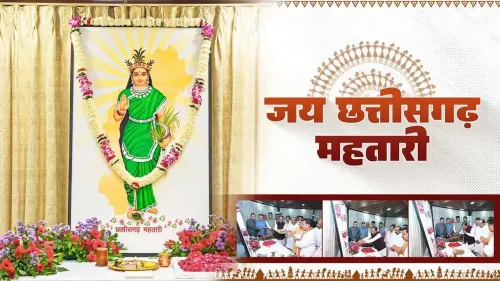
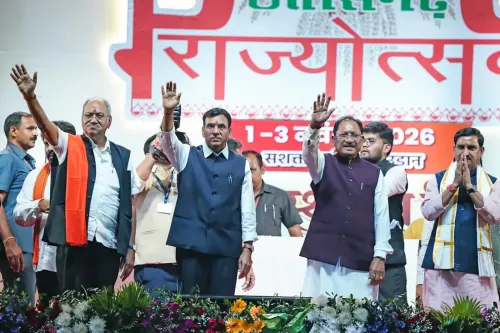
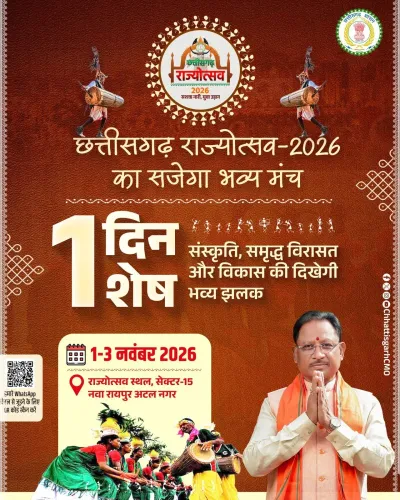
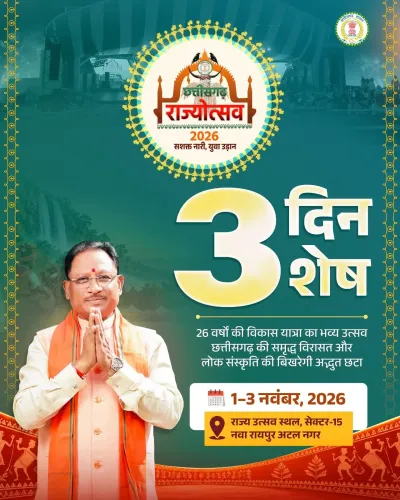
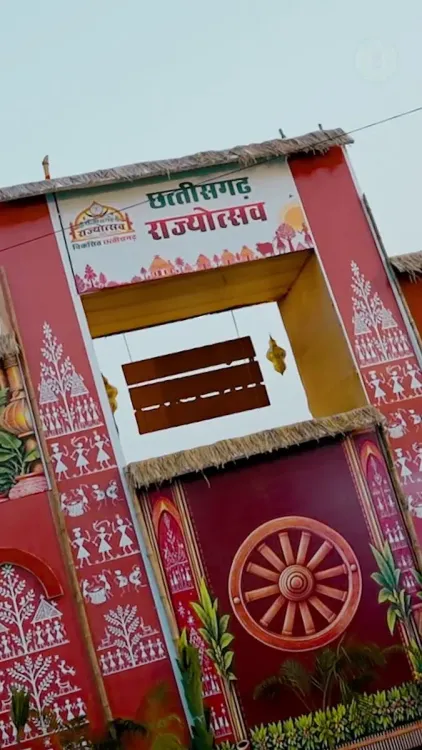
The Chief Minister's Office of Chhattisgarh has announced Rajyotsav 2026 at Rajyotsav Maidan, Nava Raipur, marking the state's 26th formation day with a celebration of its cultural heritage and development milestones.
Key Takeaways
Rajyotsav 2026 is being held at Rajyotsav Maidan, Nava Raipur , Chhattisgarh's planned new capital city.
The event was announced by the Chief Minister's Office of Chhattisgarh on 2 November 2026 .
Chhattisgarh became India's 26th state on 1 November 2000 under the Madhya Pradesh Reorganisation Act.
The CMO framed the festival around three themes: pride in the state's soil, cultural identity, and new horizons of progress.
Annual Rajyotsav festivals have been held since the state's inception, combining cultural showcases with government achievement displays.
Nava Raipur's selection as venue reflects its growing stature as the modern administrative and civic hub of Chhattisgarh.
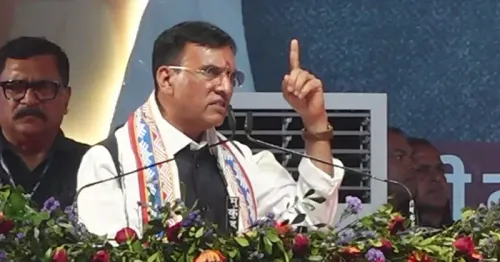
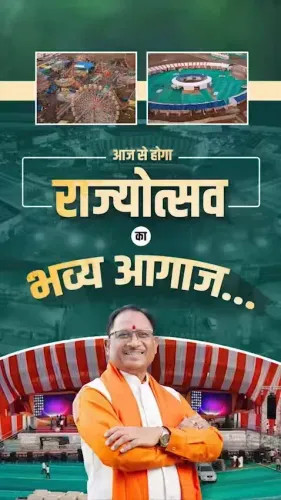
Twenty-six years after Chhattisgarh was carved out of Madhya Pradesh, the state's annual Rajyotsav — its grandest civic festival — is back, this time under the banner 'Rajyotsav 2026', unfolding at Rajyotsav Maidan, Nava Raipur. The Chief Minister's Office of Chhattisgarh announced the celebration on Monday, 2 November 2026, framing it as a tribute to the state's soil, its cultural identity, and the new horizons of its progress.
The CMO's post described the event as 'Chhattisgarh ki maati ke gaurav, sanskriti ki pehchaan aur pragati ke naye kshitij ka utsav' — 'a celebration of the pride of Chhattisgarh's soil, the identity of its culture, and the new horizons of progress.' The three-part framing is deliberate: pride in origin, assertion of cultural distinctiveness, and a forward-looking declaration of development.
Why 1 November matters to Chhattisgarh
Chhattisgarh became India's 26th state on 1 November 2000, when the Madhya Pradesh Reorganisation Act came into force, separating a largely tribal, mineral-rich eastern belt from the older state. Every year since, Rajyotsav — the state-formation day festival — has anchored the official calendar around that date, combining cultural performances, exhibitions of regional craft and cuisine, and showcases of government schemes and infrastructure milestones.
The choice of venue is itself a statement. Nava Raipur — the planned new capital city conceived in the early 2000s to modernise Chhattisgarh's administrative heart — hosts the main ground. Holding the state's biggest annual celebration there underlines the city's growing role as the face of a reforming, urbanising Chhattisgarh.
A festival that carries the full weight of the state's identity
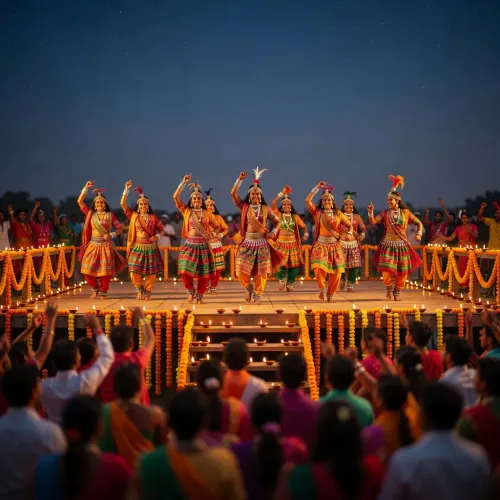
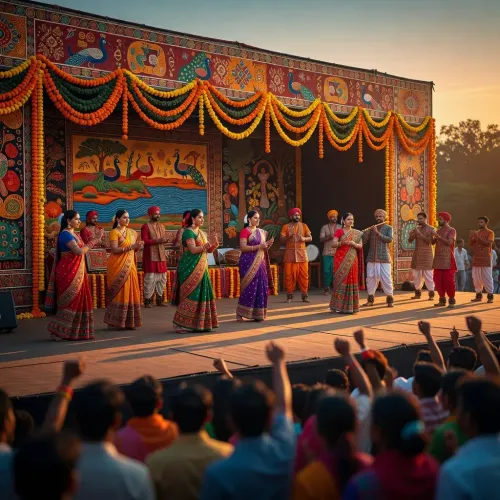
Chhattisgarh's population is among India's most diverse, with significant tribal communities whose folk traditions — Panthi dance, Raut Nacha, Karma rituals — give the state a cultural texture found nowhere else. Rajyotsav has historically been the one event large enough to hold all of that, drawing performers from across the state's forests, plains, and plateaus to a single stage.
Annual formation-day festivals across Indian states have evolved into soft-power moments, where governments use the platform to announce flagship projects, release progress reports, and project a vision for the decade ahead. What Rajyotsav 2026 adds to that story — which schemes get highlighted, which communities are centred, which new investments are unveiled — will be watched closely in the state capital and in New Delhi alike.
Point of View
Catalogue achievements, and project ambition to both local audiences and national observers. Rajyotsav 2026 fits that pattern precisely, with the CMO's three-part framing — soil, culture, progress — mirroring the BJP government's broader effort in Chhattisgarh to pair tribal cultural pride with a visible development narrative. The Nava Raipur venue choice is not incidental; it ties the state's foundational story to its unfinished urbanisation project. How the government balances indigenous cultural representation against a modernisation showcase will signal its priorities heading into the next electoral cycle.
NationPress
2 Nov 2026
Frequently Asked Questions
What is Chhattisgarh Rajyotsav?
Chhattisgarh Rajyotsav is the annual state-formation day festival held around 1 November to mark the day Chhattisgarh became India's 26th state in 2000. It features cultural performances, exhibitions, and official government events.
When was Chhattisgarh formed as a state?
Chhattisgarh was formed on 1 November 2000 when it was carved out of Madhya Pradesh under the Madhya Pradesh Reorganisation Act, becoming India's 26th state.
Where is Rajyotsav 2026 being held?
Rajyotsav 2026 is being held at Rajyotsav Maidan in Nava Raipur, the planned new capital city of Chhattisgarh.
What is Nava Raipur?
Nava Raipur is a planned new capital city of Chhattisgarh, conceived in the early 2000s to modernise the state's administration and decongest the older Raipur city.
What happens at Chhattisgarh Rajyotsav celebrations?
Rajyotsav celebrations typically include folk cultural performances such as Panthi dance and Raut Nacha, exhibitions of regional craft and cuisine, and showcases of government schemes and infrastructure achievements from the past year.