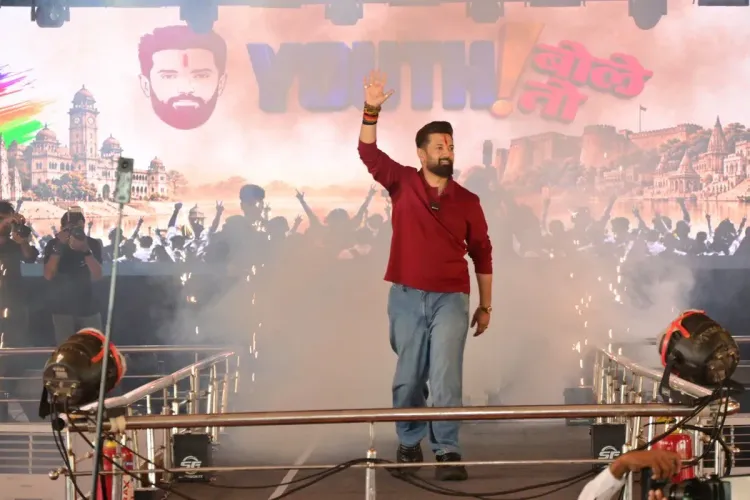
Chirag Paswan Takes 'Youth Bole To' Campaign to Prayagraj
Synopsis
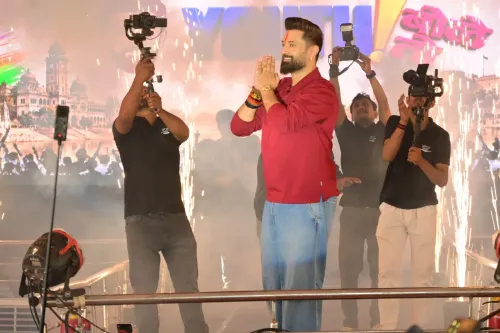
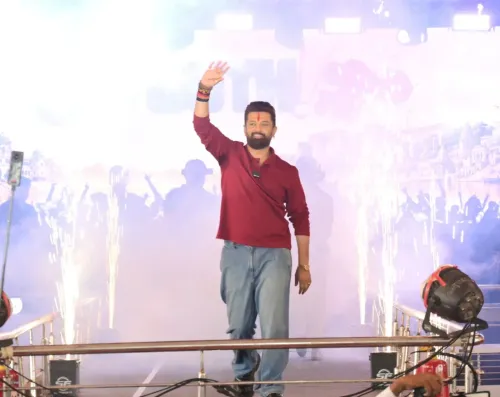
Union Food Processing Minister and LJP (Ram Vilas) president Chirag Paswan launched Chapter 2 of his 'Youth Bole To' campaign in Prayagraj on 27 September 2026, combining motivational messaging with on-ground outreach targeting India's vast youth demographic in the politically crucial state of Uttar Pradesh.
Key Takeaways
Chapter 2 of Chirag Paswan's 'Youth Bole To' campaign was held in Prayagraj, Uttar Pradesh on 27 September 2026 .
The campaign's tagline centres on three pillars: 'Fearless thought, Limitless energy, Endless possibilities.' Paswan is the Union Minister of Food Processing Industries and national president of Lok Janshakti Party (Ram Vilas) .
Prayagraj was chosen deliberately — it is a major student and youth hub in India's most electorally significant state.
The serialised 'chapter' format signals a planned, multi-city campaign arc, not a standalone event.
Future chapters and any linked policy announcements on youth skilling or entrepreneurship remain to be watched.
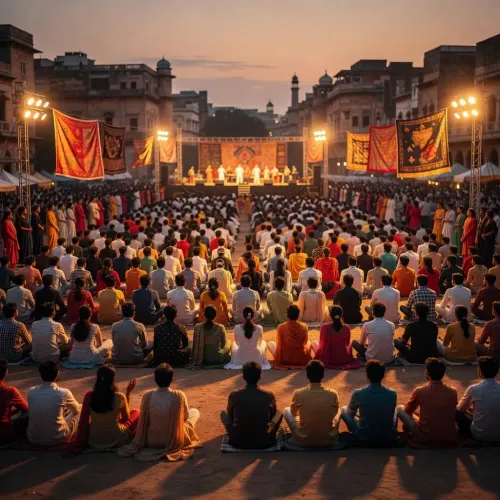
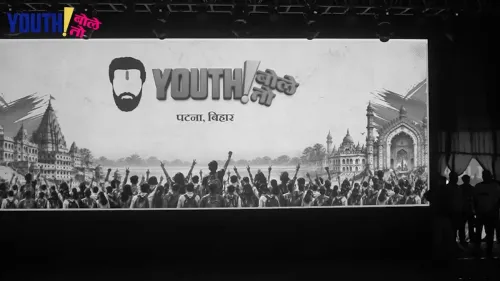
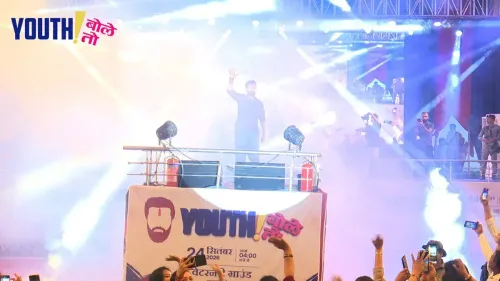
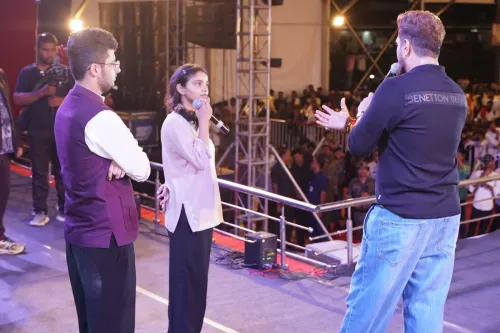
With a three-word manifesto — 'Fearless thought. Limitless energy. Endless possibilities' — Union Food Processing Minister Chirag Paswan brought Chapter 2 of his 'Youth Bole To' series to Prayagraj, Uttar Pradesh, on Sunday, 27 September 2026, signalling a deeper push into one of India's most electorally consequential states.
What 'Youth Bole To' is building toward
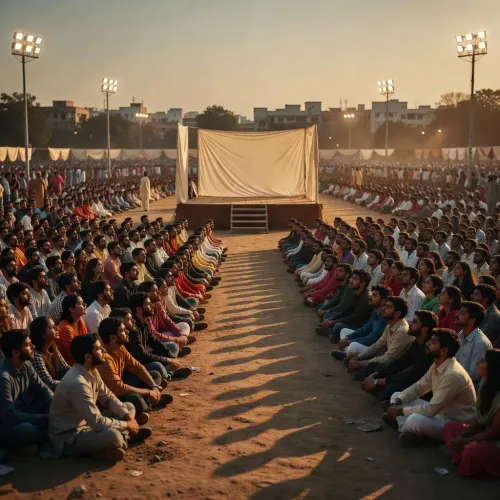
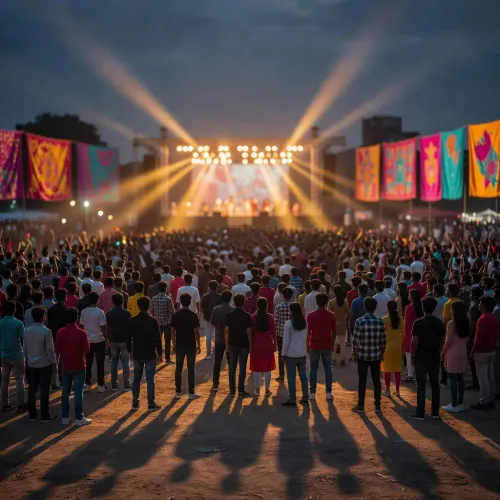
The campaign, whose name translates loosely as 'When Youth Speaks,' is structured as a rolling, chapter-by-chapter outreach that pairs high-energy social-media messaging with on-ground events. Prayagraj — a city synonymous with large-scale gatherings and a dense student population drawn by its many universities and coaching centres — is a deliberate choice. Uttar Pradesh holds the single largest bloc of parliamentary seats in the country, making youth mobilisation here a priority for any national political force.
Paswan, the national president of the Lok Janshakti Party (Ram Vilas) and son of the late Ram Vilas Paswan, has consistently positioned himself as the NDA's most recognisable young face. The 'Youth Bole To' series extends that brand identity beyond Parliament and ministry corridors into a format — motivational, aspirational, city-by-city — that speaks directly to first-time voters and young professionals.
Ministry muscle behind the message
The campaign's framing is not purely rhetorical. Paswan helms the Ministry of Food Processing Industries, a portfolio with direct implications for rural entrepreneurship, agri-startup funding and skilling — issues that resonate acutely with aspirational youth in semi-urban and tier-2 cities like Prayagraj. Whether Chapter 2 carried specific policy announcements tied to the ministry — new entrepreneur support schemes, skilling initiatives — could not be independently verified at the time of publication.
What is clear is the strategic logic: a minister who controls funds and schemes for food-processing entrepreneurs addressing a crowd of young people in a city hungry for opportunity is not just campaigning — he is connecting governance to aspiration in the same breath.
The chapter-by-chapter playbook
Indian political leaders have long used serialised campaign formats to sustain momentum across news cycles. The explicit 'Chapter 2' label signals that this is a planned multi-leg journey, not a one-off event. Each chapter in a new city allows the party to build local buzz, recruit grassroots workers and generate fresh social-media content — a compounding strategy that grows louder with every stop.
All eyes now turn to where Chapter 3 lands — and whether the tour eventually anchors a broader party announcement on youth employment or entrepreneurship policy ahead of the next electoral cycle.
Point of View
Aspirational face while also creating a grassroots pipeline for the LJP (Ram Vilas) in Uttar Pradesh — a state where the party must expand its footprint beyond its Bihar base. By anchoring the campaign in Prayagraj, a city that functions as a pressure cooker of youth ambition and electoral energy, Paswan is trying to convert motivational goodwill into organisational depth. The chapter-by-chapter rollout is a media-savvy move: it sustains narrative momentum across news cycles rather than peaking once. The open question is whether the tour eventually crosses into substantive policy territory — linking the Food Processing Ministry's programmes to the aspirations it is busy articulating.
NationPress
27 Sept 2026
Frequently Asked Questions
What is 'Youth Bole To' campaign by Chirag Paswan?
'Youth Bole To' — meaning 'When Youth Speaks' — is a multi-city outreach campaign led by Union Minister Chirag Paswan that combines motivational messaging with on-ground events aimed at India's youth, structured in numbered chapters across different cities.
Where was Youth Bole To Chapter 2 held?
Chapter 2 of the Youth Bole To campaign was held in Prayagraj, Uttar Pradesh, on 27 September 2026.
Who is Chirag Paswan?
Chirag Paswan is the Union Minister of Food Processing Industries in the Indian government and the national president of the Lok Janshakti Party (Ram Vilas). He is the son of the late Ram Vilas Paswan.
Why did Chirag Paswan choose Prayagraj for his youth event?
Prayagraj is a major hub for students and young professionals in Uttar Pradesh, which holds the largest number of parliamentary seats in India, making it a strategically important venue for youth-focused political outreach.
What are the themes of the Youth Bole To campaign?
The campaign is built around three core ideas: fearless thinking, limitless energy, and endless possibilities — framed as a motivational manifesto for Indian youth.