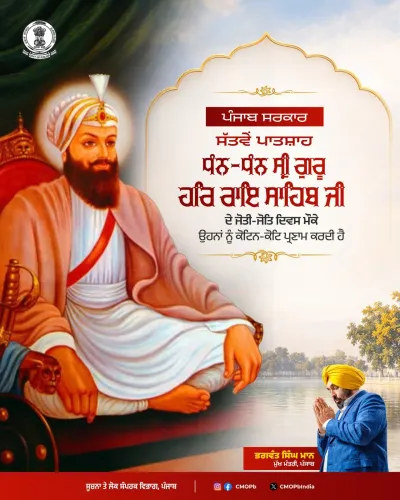
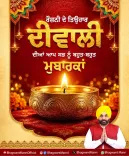
CM Bhagwant Mann greets Sikhs on Bandi Chhor Divas
Synopsis
Punjab CM Bhagwant Mann marked Bandi Chhor Divas on November 8, 2026, by greeting Sikh congregations globally and recalling Guru Hargobind Sahib Ji's historic release of 52 kings from Gwalior Fort — a centuries-old lesson in collective liberation and resistance to oppression.
Key Takeaways
Bandi Chhor Divas falls on November 8, 2026 , coinciding with Diwali.
Punjab CM Bhagwant Mann extended greetings to Sikh Sangats in India and abroad.
The festival commemorates the Sixth Sikh Guru, Hargobind Sahib Ji , securing the release of 52 kings from Gwalior Fort in 1619 .
Guru Hargobind refused personal freedom unless all 52 imprisoned kings were freed alongside him.
CM Mann called on citizens to strengthen communal brotherhood in the spirit of Guru Sahib Ji's teachings.
On a morning that marks one of Sikhism's most resonant acts of defiance, Punjab Chief Minister Bhagwant Mann extended greetings to Sikh congregations across India and the world on Bandi Chhor Divas, observed on Sunday, November 8, 2026 — invoking the timeless lesson of Guru Hargobind Sahib Ji's stand against oppression.
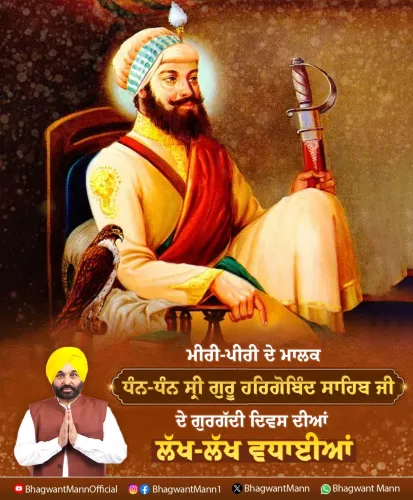
Posting in Punjabi, CM Mann wrote: 'ਨਿਆਂ ਅਤੇ ਹੱਕ ਸੱਚ ਲਈ ਲੜਨ ਦਾ ਸਬਕ ਦੇਣ ਵਾਲੇ ਪਵਿੱਤਰ ਦਿਹਾੜੇ' — 'the sacred day that teaches the lesson of fighting for justice, rights, and truth.' He wished 'lakh-lakh vadhaiyaan' (a hundred thousand congratulations) to all Sangats (congregations) residing in India and abroad.
The night the Sixth Guru walked free — with 52 kings
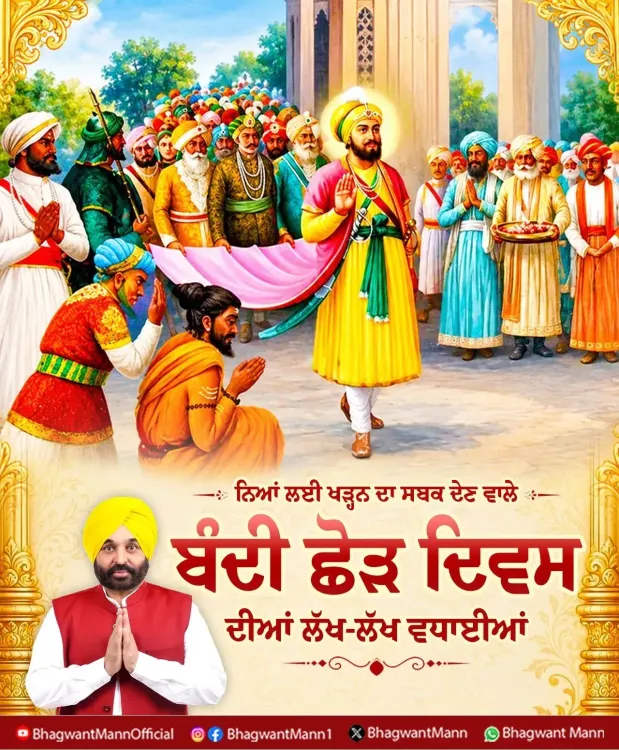
Bandi Chhor Divas, literally meaning 'Day of the Liberator,' commemorates an event from 1619. The Sixth Sikh Guru, Sri Guru Hargobind Sahib Ji, had been imprisoned at the formidable Gwalior Fort in present-day Madhya Pradesh by Mughal Emperor Jahangir. When the Emperor agreed to release him, the Guru famously refused to leave unless all 52 Hindu kings imprisoned alongside him were also freed.
Legend holds that he had a special cloak — the Chola — sewn with 52 strings, so that every king could hold a cord and walk out through the narrow gate alongside him. It was an act of collective dignity, not personal escape. That image — one man refusing freedom unless it extended to all — is the living core of this festival.
Diwali lights, Sikh meaning
Bandi Chhor Divas falls on the same night as Diwali. When Guru Hargobind's return to Amritsar was celebrated with lamps and fireworks by an overjoyed Sikh community, the two observances became permanently intertwined. For Sikhs around the world, the illuminated night carries a dual resonance: the broader celebration of light over darkness, and the specific Sikh memory of liberation from unjust imprisonment.
Mann's call for communal brotherhood
CM Mann closed his message with a call to action: 'Aao, Guru Sahib Ji de darsae marg te chaldian aapsi bhaicharak saanjh mazboot kariye' — 'Come, let us walk the path shown by Guru Sahib Ji and strengthen the bond of mutual brotherhood.' The appeal is a standard but significant cultural thread for a state whose social fabric is woven tightly around Sikh heritage and interfaith harmony.
Punjab's Chief Ministers have long used major Sikh festivals as platforms to reinforce both religious identity and civic values — and Mann's message today places the ancient story of Gwalior Fort squarely at the centre of that tradition. The lesson from 1619 is as direct as it gets: freedom is indivisible.
Point of View
The message subtly aligns Sikh historical values with the AAP's broader political idiom of fighting injustice. The call for 'mutual brotherhood' also carries implicit communal-harmony signalling in a state with a complex history of sectarian tension. Such ceremonial outreach, while routine, serves as low-cost but high-visibility cultural capital ahead of ongoing governance scrutiny.
NationPress
8 Nov 2026
Frequently Asked Questions
What is Bandi Chhor Divas?
Bandi Chhor Divas is a Sikh festival that commemorates the release of Guru Hargobind Sahib Ji — the Sixth Sikh Guru — from Gwalior Fort in 1619, along with 52 kings he secured freedom for simultaneously. It falls on the same day as Diwali and symbolises liberation from oppression.
Why did Guru Hargobind Sahib insist on freeing 52 kings?
Guru Hargobind Sahib refused to accept his own release unless all 52 Hindu kings imprisoned with him at Gwalior Fort were also freed. He had a cloak sewn with 52 strings so each king could hold one and walk out with him — a gesture representing collective dignity and solidarity.
Where is Gwalior Fort and what is its significance to Sikhs?
Gwalior Fort is a historic fort in Gwalior, Madhya Pradesh. For Sikhs, it holds deep significance as the site where Guru Hargobind Sahib was imprisoned by Mughal Emperor Jahangir, and from which he secured the mass release of 52 kings — the event at the heart of Bandi Chhor Divas.
Does Bandi Chhor Divas always fall on the same day as Diwali?
Yes, Bandi Chhor Divas is observed on the same lunar date as Diwali. When Guru Hargobind returned to Amritsar on that night, the community celebrated with lamps, forever linking the two festivals.
What did Punjab CM Bhagwant Mann say on Bandi Chhor Divas 2026?
CM Bhagwant Mann greeted Sikh congregations in India and abroad on Bandi Chhor Divas, recalling Guru Hargobind Sahib Ji's release of 52 kings from Gwalior Fort as a great message against tyranny, and urged people to strengthen communal brotherhood by following Guru Sahib Ji's path.