CM Bhajan Lal joins PM Modi's ₹2,400 Cr job scheme launch
Synopsis
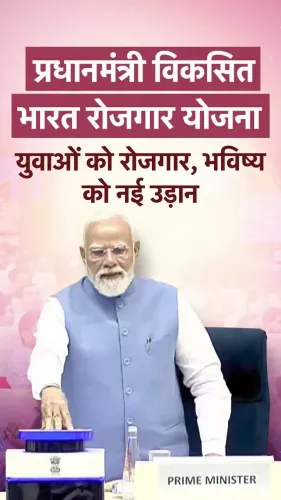
Rajasthan CM Bhajan Lal Sharma joined PM Modi's nationwide launch of the PM Viksit Bharat Rozgar Yojana virtually on June 19, 2026. A total of ₹2,400 crore in incentive funds was released, and appointment letters were distributed to private-sector recruits at a state-level event in Jaipur.
Key Takeaways
Rajasthan CM Bhajan Lal Sharma participated virtually in the nationwide launch of the PM Viksit Bharat Rozgar Yojana on June 19, 2026 .
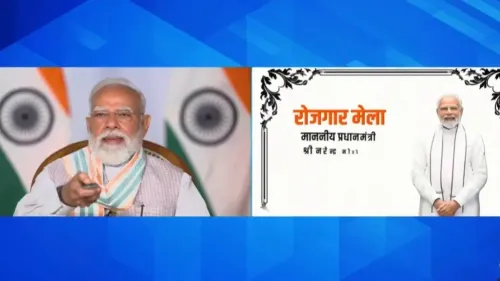
The event was presided over by Prime Minister Narendra Modi . ₹2,400 crore in incentive funds was released to accelerate youth skill development and private-sector employment creation.
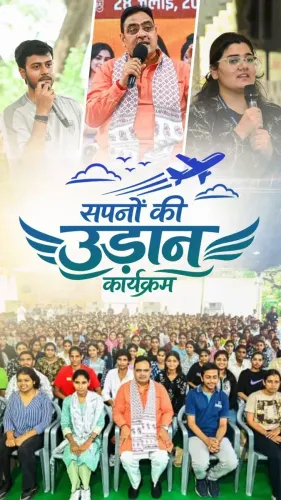
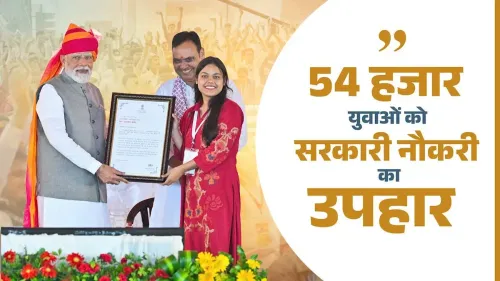
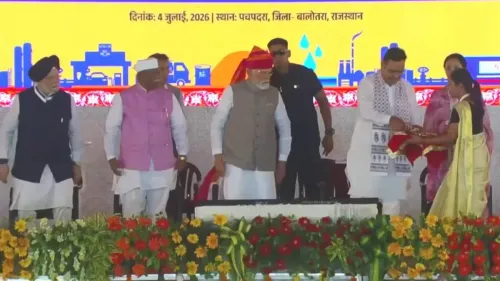
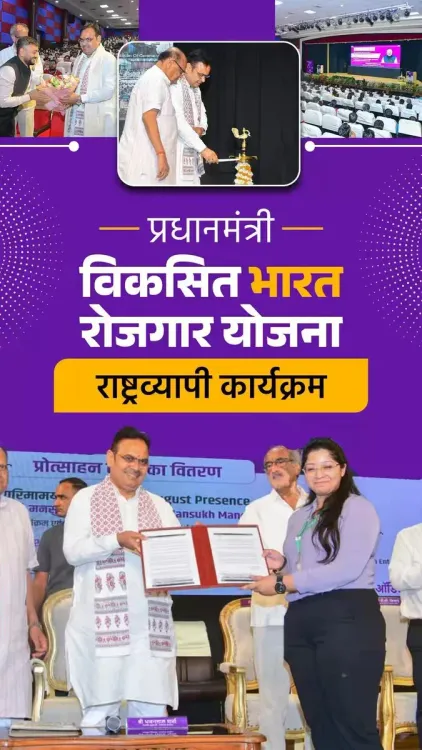
A state-level event in Jaipur saw appointment letters distributed to youth placed in private-sector jobs.
The scheme continues the policy lineage of the Skill India Mission (launched 2015 ), adding direct financial incentives for private employers.
State-level utilisation of funds and quarterly placement reports will be the key metrics to watch.
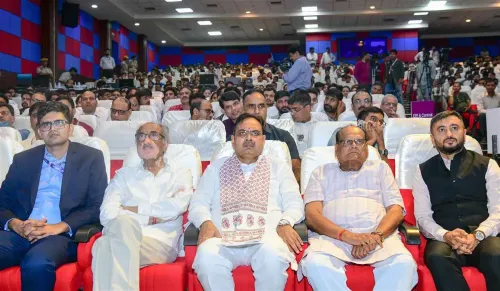
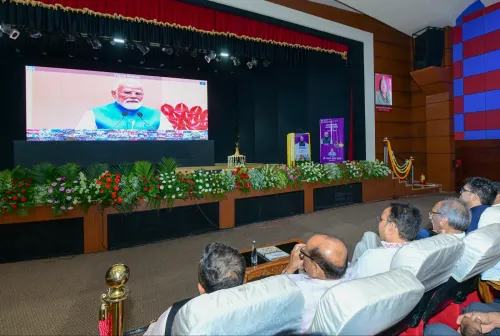
Rajasthan Chief Minister Bhajan Lal Sharma participated virtually on Friday, June 19, 2026, in the nationwide launch of the Pradhan Mantri Viksit Bharat Rozgar Yojana, a central scheme aimed at accelerating youth skill development and private-sector employment. The event was presided over by Prime Minister Narendra Modi and was accompanied by the release of ₹2,400 crore in incentive funds. A state-level ceremony was held simultaneously in Jaipur, where appointment letters were distributed to youth placed in private-sector jobs.
Context
CM Bhajan Lal Sharma posted on X that he joined the programme 'वर्चुअल माध्यम से' (through virtual means) in the 'gracious presence' of Prime Minister Modi. At the Jaipur state-level event, he personally handed over appointment letters to young people who had secured positions in the private sector, conveying his wishes for their 'bright future and successful career.' The nationwide event underlines the Centre's push to link fiscal incentives directly to measurable private-sector placements.
Policy Backdrop
The PM Viksit Bharat Rozgar Yojana builds on the architecture of earlier skilling initiatives, including the Skill India Mission launched in 2015, which sought to provide vocational training and improve employability across states. The current scheme extends that framework by introducing financial incentives directed at both private employers and state governments, encouraging formal-sector hiring with verifiable placement outcomes. The release of ₹2,400 crore in incentive funds at the launch signals the scale at which the Centre intends to operationalise the programme.
Successive Union Budgets have emphasised measurable employment generation in the organised sector as a policy priority. Combining a centrally coordinated virtual launch with simultaneous state-level distribution events is a format the government has used repeatedly to demonstrate on-ground reach and accountability for scheme roll-outs.
Stakeholders and Impact
Rajasthan's youth and private-sector employers are the immediate beneficiaries of the scheme's state-level component. By presiding over the distribution of appointment letters in Jaipur, CM Bhajan Lal Sharma signalled the state government's active role in facilitating private-sector placements rather than leaving implementation solely to central agencies. This co-ownership model is designed to improve accountability at the district and block levels.
Private employers who hire youth through the scheme are expected to receive financial incentives, reducing the cost of on-boarding and training new recruits. For young job-seekers, the appointment letters represent formal entry into the organised workforce, with the associated benefits of social security coverage and career progression pathways.
What's Next
Analysts and policymakers will watch for state-level utilisation certificates for the ₹2,400 crore released, as well as quarterly reports detailing the number of new appointments generated under the scheme across Rajasthan and other states. The pace at which funds are drawn down and converted into verifiable job placements will be the key metric for assessing the programme's early effectiveness. A credible implementation trail could also shape how aggressively similar incentive tranches are released in subsequent quarters.
Point of View
Making it harder for either Centre or state to deflect accountability if targets are missed. For CM Bhajan Lal Sharma, personally handing over appointment letters in Jaipur is as much a political signal as an administrative act — it positions the BJP-led state government as a proactive partner in Modi's 'Viksit Bharat' narrative ahead of the next electoral cycle. The ₹2,400 crore release is substantial, but the real test will be whether utilisation certificates and independent placement audits confirm that funds translate into durable, formal jobs rather than short-term contractual engagements. This scheme also represents the Centre's continued preference for incentivising the private sector over direct public employment, a trend that will continue to draw scrutiny from labour economists and opposition parties alike.
NationPress
22 Sept 2026
Frequently Asked Questions
What is PM Viksit Bharat Rozgar Yojana?
PM Viksit Bharat Rozgar Yojana is a central government scheme focused on accelerating youth skill development and private-sector job creation by providing financial incentives to employers and states for verifiable placements.
How much money was released under PM Viksit Bharat Rozgar Yojana?
₹2,400 crore in incentive funds was released at the nationwide launch event on June 19, 2026, presided over by Prime Minister Narendra Modi.
What did CM Bhajan Lal Sharma do at the Jaipur event?
CM Bhajan Lal Sharma participated virtually in the national launch and, at the state-level event in Jaipur, personally handed over appointment letters to youth who had secured private-sector jobs under the scheme.
How is PM Viksit Bharat Rozgar Yojana different from Skill India Mission?
While the Skill India Mission (2015) focused primarily on vocational training, the PM Viksit Bharat Rozgar Yojana adds direct financial incentives to private employers to encourage formal-sector hiring and measurable placement outcomes.
Who benefits from PM Viksit Bharat Rozgar Yojana in Rajasthan?
Youth seeking private-sector employment and private employers in Rajasthan are the primary beneficiaries, with the state government facilitating placement events and distribution of appointment letters in Jaipur.