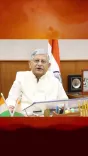
CM Bhajanlal Sharma: India's youth is its greatest capital
Synopsis
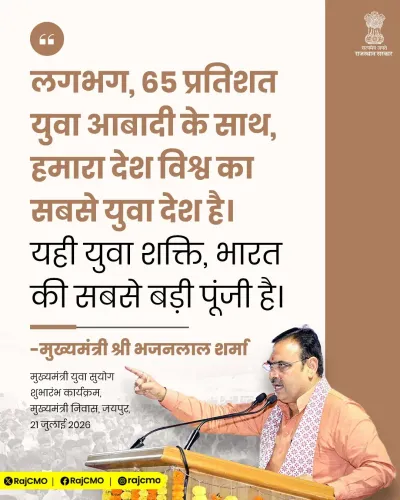
Rajasthan's Chief Minister's Office on 20 October 2026 amplified CM Bhajanlal Sharma's message that India's young population is its greatest national asset, tying the statement to the government's 'Aapno Agrani Rajasthan' development narrative.
Key Takeaways
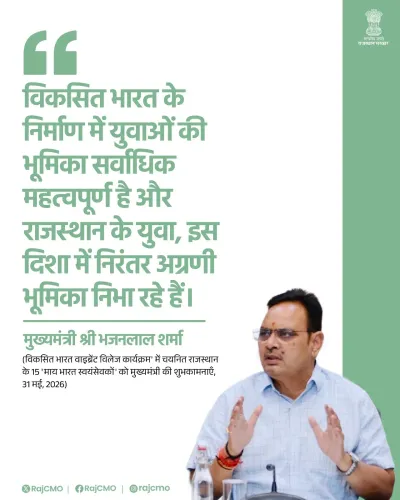
CM Bhajanlal Sharma declared India's youth the country's 'greatest capital' via the official Rajasthan CMO account on 20 October 2026 .
India has one of the world's youngest populations, with a median age of approximately 28–29 years .
The message was posted under the hashtag #आपणो_अग्रणी_राजस्थान ('Our Forward-Leading Rajasthan'), the BJP state government's signature development branding.
Bhajanlal Sharma became Rajasthan Chief Minister in December 2023 under the BJP.
India's National Youth Policy 2014 established education, skilling, and employment as the core levers for harnessing the demographic dividend.
Rajasthan's youth skilling and employment scheme rollouts will be the practical test of this stated priority.
India's demographic edge — a median age hovering around 28–29 years — is not just a statistic. It is, in the words of Rajasthan Chief Minister Bhajanlal Sharma, the country's single greatest asset. The Chief Minister's Office of Rajasthan underscored that conviction on Tuesday, 20 October 2026, with a pointed message framing young Indians as the defining force of the nation's future.
The post, shared under the hashtag #आपणो_अग्रणी_राजस्थान ('Our Forward-Leading Rajasthan'), carried a direct declaration: 'भारत दुनिया के सबसे युवा देशों में से एक है और युवा शक्ति देश की सबसे बड़ी पूंजी है' — 'India is one of the youngest nations in the world, and the power of youth is the country's greatest capital.' The message was attributed directly to CM Bhajanlal Sharma.
Rajasthan's 'Forward-Leading' brand and the youth dividend
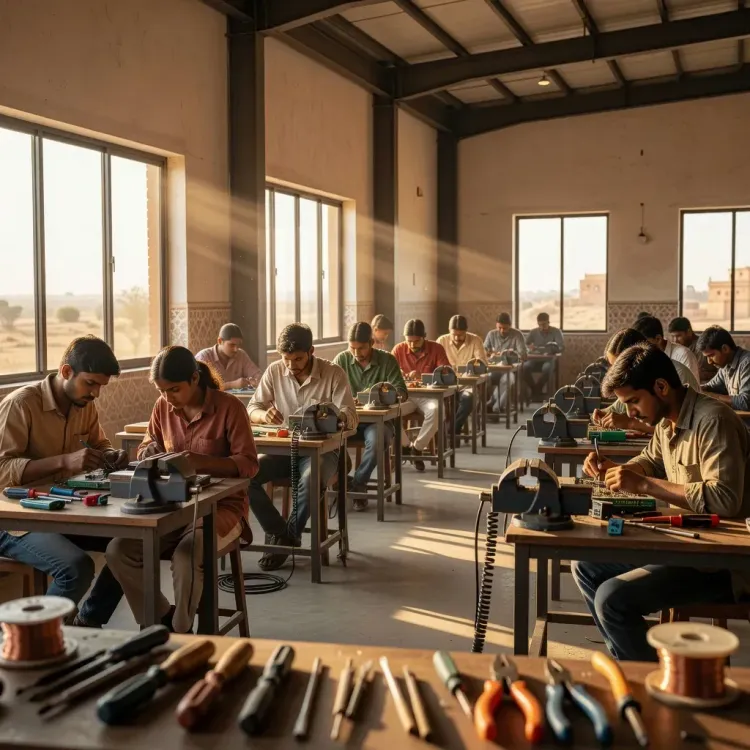
The hashtag is more than a slogan. Aapno Agrani Rajasthan — 'Our Forward-Leading Rajasthan' — has become the BJP-led state government's signature framing since Bhajanlal Sharma took oath as Chief Minister in December 2023. Anchoring that brand around youth demographics signals where the government sees its political and developmental mandate: in skilling, employment, and harnessing a young population before the window narrows.
India's demographic story is well-documented. With more than half the population under 30 and a national median age well below the global average, the country sits on what economists call a demographic dividend — but one that has a shelf life. The dividend turns into a burden if jobs and skills don't keep pace. That urgency is baked into messaging like this.
Policy lineage: from National Youth Policy to state action
India's National Youth Policy 2014 laid the foundational roadmap — education, skilling, and employment as the three levers to convert a young population into economic momentum. State governments across the political spectrum have periodically echoed this framing, but the frequency and consistency of such messaging from Rajasthan's CMO under the current administration suggests it is a deliberate pillar of the government's public communication strategy.
For Rajasthan — India's largest state by area, with vast rural and semi-urban youth populations — translating the rhetoric into tangible skilling and employment outcomes is the real test. State-level scheme rollouts and budget allocations targeting youth will be the metric by which this conviction is ultimately measured.
The message is clear, the stakes are high, and the clock on India's demographic window is already ticking.
Point of View
The Bhajanlal Sharma government is staking its developmental identity on demographic momentum — a potent frame that simultaneously speaks to aspirational voters and signals to investors that Rajasthan sees its young workforce as a growth lever. The messaging mirrors a broader BJP trend of linking governance legitimacy to India's demographic dividend rather than legacy welfare optics. The real political risk lies downstream: if youth unemployment and skilling gaps persist in Rajasthan, the same rhetoric becomes an accountability anchor. Consistent CMO messaging on this theme suggests the government expects — and needs — tangible youth-sector outcomes before the next electoral cycle.
NationPress
20 Oct 2026
Frequently Asked Questions
What did Rajasthan CM Bhajanlal Sharma say about India's youth?
CM Bhajanlal Sharma stated that India is one of the world's youngest nations and that the power of youth is the country's greatest capital, a message shared by the official Rajasthan Chief Minister's Office on 20 October 2026.
What is the meaning of Aapno Agrani Rajasthan?
'Aapno Agrani Rajasthan' translates to 'Our Forward-Leading Rajasthan' and is the signature development and branding slogan of the BJP-led Rajasthan government under Chief Minister Bhajanlal Sharma.
When did Bhajanlal Sharma become Chief Minister of Rajasthan?
Bhajanlal Sharma was sworn in as Chief Minister of Rajasthan in December 2023, representing the Bharatiya Janata Party.
What is India's demographic dividend?
India's demographic dividend refers to the economic growth potential arising from having a large, young working-age population — India's median age is approximately 28–29 years — provided that adequate employment and skilling opportunities are created.
What is India's National Youth Policy?
India's National Youth Policy 2014 established a roadmap for youth empowerment, identifying education, skilling, and employment as the three primary levers to convert the country's young population into an economic asset.