CM Bhupendra Patel Launches Gujarat-Wide Pulse Polio Drive from Gandhinagar
Synopsis
Gujarat Chief Minister Bhupendra Patel launched the state-wide Pulse Polio campaign from Gandhinagar on 28 June 2026, targeting over 83.49 lakh children aged zero to five. More than 65,994 health teams across 32,997 booths will administer oral polio drops, with door-to-door follow-up on 29 and 30 June.
Key Takeaways
Gujarat CM Bhupendra Patel launched the state-wide Pulse Polio campaign from Gandhinagar on 28 June 2026 .
Over 83.49 lakh children aged 0 to 5 years across Gujarat are targeted for oral polio vaccination.
32,997 polio booths have been activated, staffed by 65,994 health teams under 6,599 supervisors .
Door-to-door follow-up visits by health workers are scheduled for 29 and 30 June 2026 to cover children who miss booth rounds.
The campaign is part of India's ongoing effort to maintain its polio-free status declared by the WHO in 2014 .
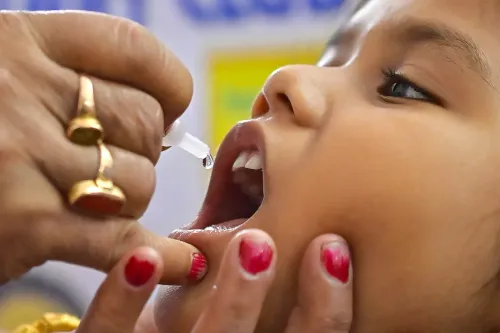
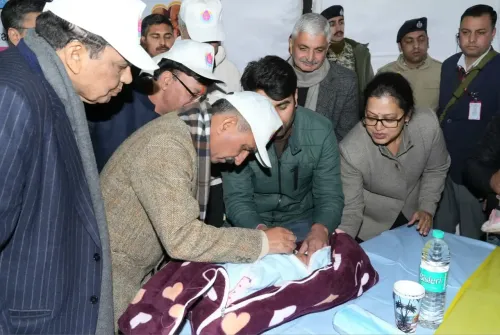
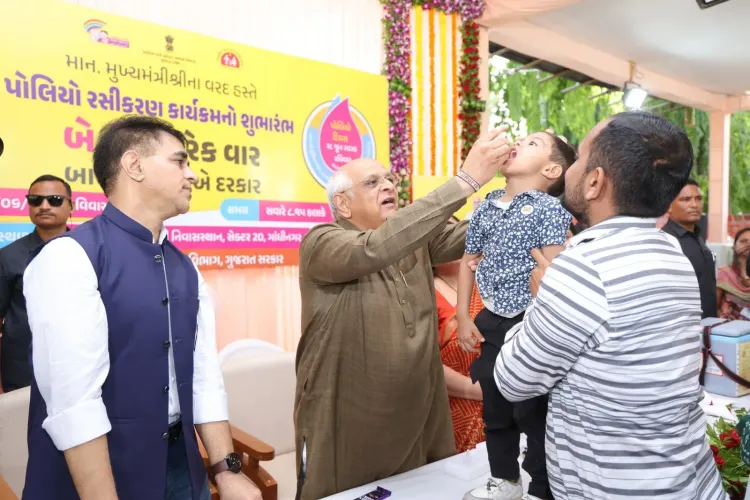
Gujarat Chief Minister Bhupendra Patel on Sunday, 28 June 2026, launched the state-wide Pulse Polio campaign from Gandhinagar, initiating a major immunisation drive targeting children aged zero to five years across the state. The campaign aims to administer anti-polio drops to more than 83.49 lakh children, mobilising one of Gujarat's largest public health operations in recent years.
Context
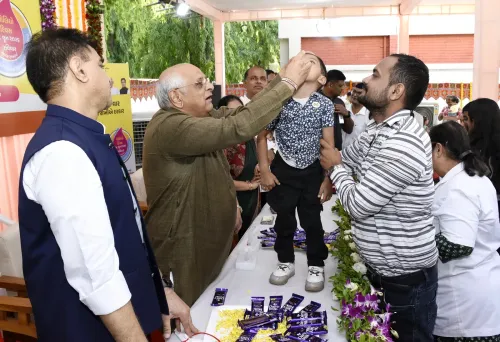
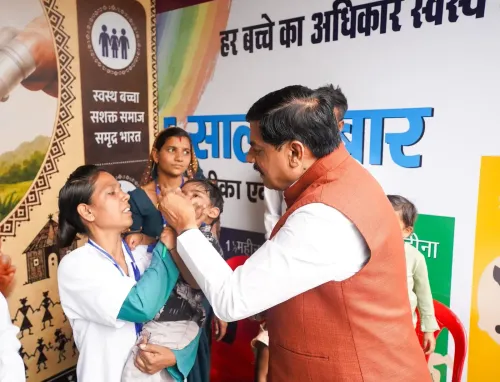
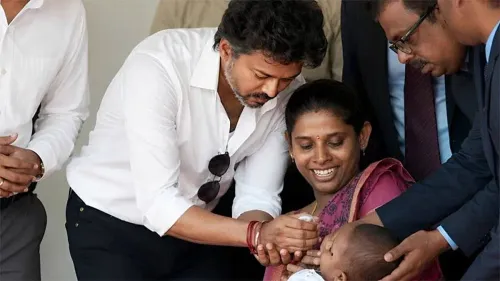
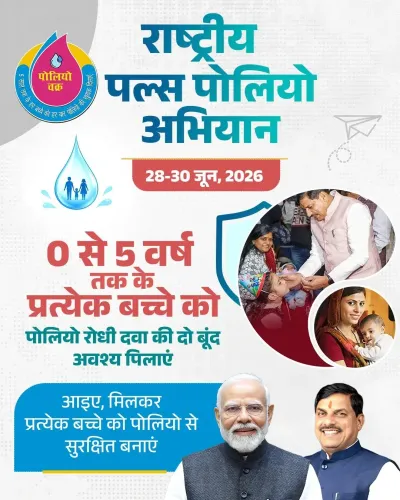
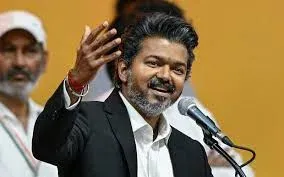
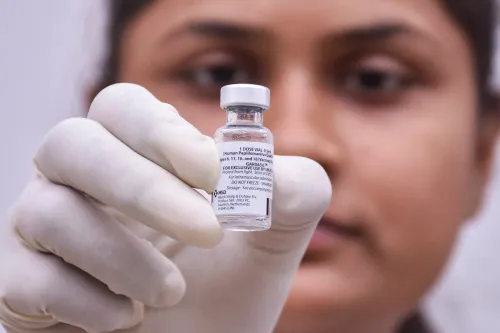
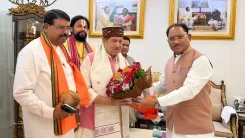
Posting on X, CM Patel announced the launch in Gujarati, stating: 'ગાંધીનગર ખાતેથી રાજ્યવ્યાપી પલ્સ પોલિયો અભિયાનનો પ્રારંભ કરાવ્યો' ['I launched the state-wide Pulse Polio campaign from Gandhinagar']. He called the effort a 'herculean task' (ભગીરથ કાર્ય) and urged all citizens to participate in keeping Gujarat polio-free. The post was accompanied by four images from the launch event.
India was declared polio-free by the World Health Organization in 2014, but annual Pulse Polio rounds continue as a preventive measure to sustain that status, particularly given cross-border risks and the presence of wild poliovirus in neighbouring countries.
Scale of the Campaign
The operational scale of this year's drive is substantial. Across Gujarat, 32,997 polio booths have been activated to administer the oral vaccine. A workforce of 65,994 health teams is deployed at these booths, working under the supervision of 6,599 supervisors.
To ensure no child is left out, health workers will conduct door-to-door visits on 29 and 30 June 2026, reaching children who may have missed the booth-based rounds. This follow-up mechanism is a standard feature of India's Pulse Polio strategy, designed to achieve near-complete coverage even in remote or underserved areas.
Policy Backdrop
India's Pulse Polio Immunisation Programme was launched nationally in 1995 under the Universal Immunisation Programme, with the goal of eradicating poliomyelitis through repeated, high-coverage oral vaccine rounds. Gujarat has consistently participated in these national rounds, supplemented by state-specific sub-national immunisation days in high-risk districts.
The campaign falls under the broader framework of the National Polio Surveillance Project, a joint initiative of the Indian government and the World Health Organization. Sustaining polio-free status requires maintaining population immunity above 95 per cent — a threshold that campaigns of this scale are designed to protect.
Stakeholders and Impact
The primary beneficiaries are 83.49 lakh children between the ages of zero and five across Gujarat. Frontline health workers — ASHAs, anganwadi workers, and auxiliary nurse midwives — form the backbone of the booth and door-to-door operations. District health officers and block-level supervisors coordinate logistics across urban and rural geographies.
Parents and guardians are being urged to bring children to the nearest polio booth or to ensure they are available when health workers visit homes on 29 and 30 June. Community participation, as CM Patel emphasised, is considered essential to the campaign's success.
What's Next
With booth-day activities on 28 June and door-to-door follow-up over the next two days, the state health machinery will compile coverage data to assess whether the 83.49 lakh target has been met. Any gaps identified during follow-up rounds will inform district-level catch-up efforts. The outcome of this drive will also feed into Gujarat's reporting to national health authorities, reinforcing the state's commitment to sustaining India's polio-free certification.
Point of View
000 health teams across almost 33,000 booths — reflects the institutional muscle that India's immunisation programme has built over three decades. For CM Patel, personally flagging off the campaign signals that preventive public health remains a visible political priority for the BJP-led state government, not merely an administrative routine. The door-to-door follow-up mechanism on 29 and 30 June is the critical last mile: coverage data from those two days will determine whether the 83.49 lakh target is genuinely met or merely approached. In a broader context, Gujarat's consistent participation in sub-national immunisation days is part of the national compact to keep India's WHO polio-free certification intact amid persistent risks from the region.
NationPress
28 Jun 2026
Frequently Asked Questions
What is the Gujarat Pulse Polio campaign 2026?
The Gujarat Pulse Polio campaign 2026 is a state-wide immunisation drive launched on 28 June 2026 by Chief Minister Bhupendra Patel to administer oral anti-polio drops to over 83.49 lakh children aged zero to five years across the state.
How many polio booths are set up in Gujarat for this campaign?
A total of 32,997 polio booths have been activated across Gujarat, staffed by 65,994 health teams working under 6,599 supervisors.
Will health workers visit homes for the polio drive in Gujarat?
Yes. On 29 and 30 June 2026, health workers will conduct door-to-door visits across Gujarat to ensure that no child misses the oral polio vaccine.
Is India still at risk from polio?
India was declared polio-free by the WHO in 2014, but annual Pulse Polio rounds continue to maintain high population immunity and guard against reintroduction of the virus, particularly given its presence in neighbouring countries.
Who launched the Pulse Polio drive in Gujarat on 28 June 2026?
Gujarat Chief Minister Bhupendra Patel launched the state-wide Pulse Polio campaign from Gandhinagar on 28 June 2026.